

Why am i allergic to sterling silver?
Why am i allergic to sterling silver?
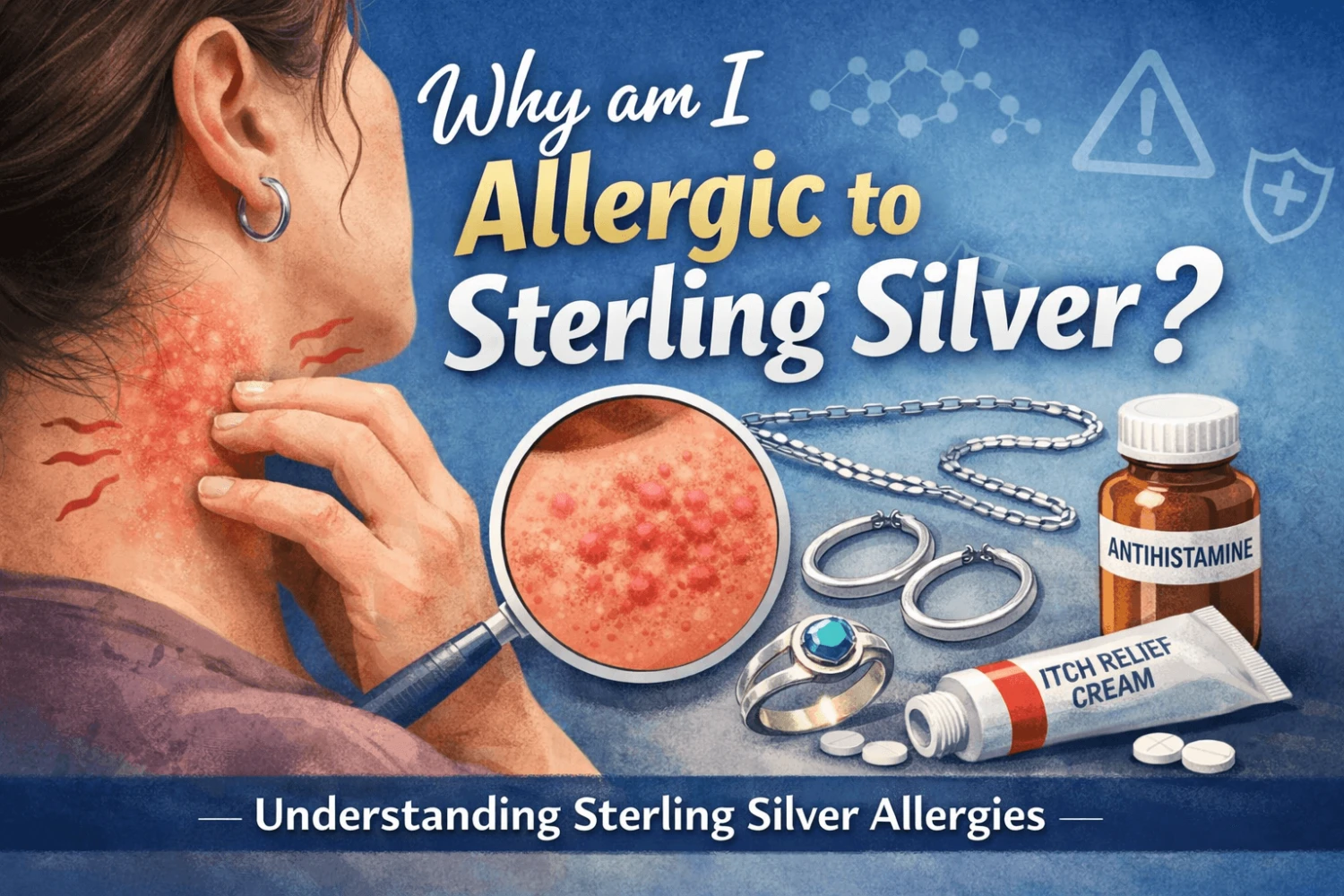
You bought a beautiful pair of sterling silver earrings and expected them to be your new daily favorites. Within a few hours your ears started to itch. By the end of the day you had a red rash and swelling. You checked the hallmark and found the 925 stamp right where it should be. You feel frustrated and perhaps even a bit cheated because sterling silver is supposed to be high quality.
You might think you are allergic to silver itself but that is rarely the case. At Suren Jewels we work with these metals every single day. We see the chemistry behind the craft and we talk to clients who struggle with skin sensitivity constantly. The truth about silver allergies is usually found in the small percentages of the metal that nobody talks about.
The Myth of Pure Silver Allergies
Most people assume their skin is reacting to the silver. Pure silver is actually a very friendly metal for the human body. It is soft and lustrous and it rarely causes a biological response. But pure silver is too soft for jewelry. If we made a ring out of 99.9 percent pure silver it would bend out of shape the first time you picked up a heavy bag. To make silver durable enough for wear we have to mix it with other metals. This mixture is what we call an alloy. Sterling silver is legally required to be 92.5 percent silver. That leaves 7.5 percent for other metals. This small slice of the pie is where all your trouble starts.
In a perfect world that remaining percentage would be pure copper. Copper is the traditional choice for sterling silver because it adds strength without ruining the color. Some people do have a sensitivity to copper but it usually results in a green stain on the skin rather than a painful rash. If you are experiencing itching and blistering you are likely reacting to a hidden guest in the metal.
The Hidden Culprit Called Nickel
Nickel is the most common cause of jewelry related allergies in the world. It is a strong and white metal that helps jewelry maintain its shape and shine. It is also very cheap. Many manufacturers add a tiny bit of nickel to their sterling silver alloys to make the jewelry harder and more resistant to scratches. They might not even list it on the label. Even a trace amount of nickel can trigger a reaction in someone with sensitive skin.
We have noticed that many mass produced items from overseas factories contain nickel because it speeds up the polishing process. A harder metal takes a shine faster than a soft one. When you buy jewelry that is marketed as budget friendly sterling silver you are often buying an alloy that prioritized speed and cost over skin safety. At Suren Jewels we focus on keeping our alloys clean because we know that a beautiful piece of jewelry is worthless if you cannot wear it for more than an hour.
Why the 925 Stamp Is Not a Safety Guarantee
The 925 stamp is a mark of silver content and nothing else. It tells you that 925 parts out of 1000 are silver. It does not tell you what the other 75 parts are. You could have a piece of jewelry that is 92.5 percent silver and 7.5 percent nickel and it would still legally qualify for the 925 stamp. This is a major point of confusion for buyers. They see the stamp and assume it means the piece is hypoallergenic.
Hypoallergenic is a marketing term rather than a medical one. It simply means that a product is less likely to cause an allergic reaction. It does not mean it is nickel free. Many brands use the term hypoallergenic while still using small amounts of nickel in their base metals or their plating processes. If you have a known nickel allergy you should look for pieces specifically labeled as nickel free rather than just trusting a silver hallmark.
The Role of Rhodium Plating and Flash Plating
Many sterling silver pieces are plated with a metal called rhodium. Rhodium is a member of the platinum family. It is incredibly shiny and hard and it does not tarnish. This makes it a great choice for protecting silver. As long as the rhodium plating is thick and intact your skin never actually touches the silver alloy underneath. This is why a new pair of earrings might feel fine for the first month and then suddenly start causing a rash.
The plating eventually wears down. This happens faster with rings and earrings due to friction and contact with skin oils. Once the rhodium wears off your skin makes direct contact with the base sterling silver. If that silver contains nickel your body will react immediately. Many high street brands use what we call flash plating. This is a very thin layer of rhodium that looks great in the store but disappears within weeks of regular wear.
We prefer to use thicker plating or carefully controlled alloys at Suren Jewels. We believe that the longevity of a piece depends on what happens after the first few months of ownership. If you find that your jewelry only bothers you after you have owned it for a while you are likely dealing with worn out plating.
Understanding the Green Skin Phenomenon
It is important to distinguish between an actual allergy and a chemical reaction. If your finger turns green after wearing a silver ring that is not an allergy. That is oxidation. The copper in the sterling silver reacts with the acids in your skin or the chemicals in your lotion. This creates copper carbonate which has a distinct green color.
This reaction is harmless even if it looks a bit strange. It often happens more in the summer when you sweat or if you use a lot of hand sanitizer. You can usually prevent this by keeping your jewelry dry and removing it before applying beauty products. An allergy is different. An allergy involves the immune system. It causes redness and heat and itching. If you see those symptoms you need to stop wearing the piece and look at the metal composition.
The Ear Piercing Exception
Ears are much more sensitive than the skin on your hands or neck. The skin inside a piercing is a mucosal membrane or a healed wound track. It is much more absorbent than the regular skin on your body. This is why many people can wear a sterling silver necklace without any issues but cannot handle sterling silver earrings.
When you put a post through your ear you are placing the metal in direct contact with internal tissues. If there is even a molecule of nickel in that post your immune system will find it. We often suggest that clients who have sensitive ears skip sterling silver entirely for their earrings and move to high karat gold or platinum. The investment is higher but the comfort is worth the cost.
Environmental Triggers for Sensitivity
Sometimes the jewelry is not the only thing to blame. Your body chemistry changes over time. Stress and diet and pregnancy can all make your skin more reactive than it used to be. We have seen clients who wore the same silver ring for ten years without a problem suddenly develop a rash.
The environment plays a role too. If you live in a humid climate or near the ocean the salt and moisture in the air can accelerate the breakdown of metals in your jewelry. This releases more metal ions onto your skin. Even the soap you use can get trapped behind a ring and irritate the skin which makes it easier for a metal allergy to take hold. It is a good idea to clean your jewelry regularly to remove these trapped irritants.
How to Test Your Jewelry at Home
If you suspect your silver contains nickel you can buy a nickel testing kit. These kits usually come with a chemical solution and cotton swabs. You rub the swab on the jewelry and if it turns pink you know nickel is present. This is a very simple way to audit your jewelry box.
Another trick is to look at the color of the metal where it has scratched. If you see a yellowish or dull grey color underneath a bright silver surface you are looking at a base metal that has been plated. Genuine sterling silver should have a consistent color all the way through the metal even if it is tarnished.
Choosing the Right Metal for Your Skin
If you know you are allergic to sterling silver you have several options. The first is to seek out reputable jewelers who guarantee nickel free sterling silver. At Suren Jewels we are very open about our sourcing and manufacturing because we want our clients to feel safe.
If even nickel free silver causes you problems you might be sensitive to copper. In that case you should look at these alternatives
Argentium Silver This is a modern alloy that replaces some of the copper with a metal called germanium. It is more expensive than standard sterling silver but it is highly tarnish resistant and very hypoallergenic.
14k or 18k Yellow Gold Gold is one of the least reactive metals. Just be careful with white gold because it often contains nickel to get that white color. Yellow gold is generally a safer bet for those with allergies.
Platinum This is the gold standard for sensitive skin. It is naturally white and very pure. It does not need to be mixed with irritating alloys to be durable.
Titanium or Niobium These are medical grade metals. They are not precious metals in the traditional sense but they are completely inert. They are great for initial piercings or for people with extreme sensitivities.
The Cost of Quality in the Jewelry Industry
The jewelry market is flooded with cheap silver. You can find silver rings online for a few dollars. It is important to understand that the price reflects the quality of the alloy. Refining metals to be pure and free of contaminants like nickel and lead costs money.
When a brand sells silver at a price that seems too good to be true they have likely saved money on the metal refining process. They might be using recycled scrap metal that has not been properly purified. At Suren Jewels we believe in a transparent supply chain. We know that the value of jewelry lies in its ability to be passed down through generations. A piece that causes a skin rash will never become an heirloom.
How We Handle Alloys at Suren Jewels?
We take a very hands on approach to our metal work. We understand that our reputation depends on the physical comfort of our pieces. We use high quality grains and we monitor our casting process to ensure that no contaminants enter the mix. We also focus on the finishing. A smooth and well polished piece of jewelry has less surface area for sweat and bacteria to collect which reduces the chance of skin irritation.
Our design decisions are also influenced by wearability. We make sure that the parts of the jewelry that touch the skin are finished to the highest standard. We don't believe in shortcuts because we know that our clients are looking for quality that lasts. We see ourselves as partners in your jewelry journey and that means giving you the facts about what you are wearing.
Caring for Your Silver to Prevent Reactions
If you have a mild sensitivity you can often manage it with better jewelry care.
Keep your silver dry. Moisture is a catalyst for chemical reactions between metal and skin.
Clean your jewelry once a week. Use a mild soap and a soft cloth to remove skin oils and lotions.
Store your silver in a cool and dry place. Use anti tarnish strips to keep the metal from oxidizing.
Apply your perfume and hairspray before you put on your jewelry. Let the products dry completely.
Give your skin a break. Do not wear your jewelry 24 hours a day. Taking your rings off at night gives your skin time to breathe.
What to Do If You Have a Reaction?
If you notice a rash the first thing you must do is stop wearing the jewelry. Do not try to power through it. Continued exposure can actually make the allergy worse over time. Your body becomes sensitized to the metal and the reactions will become more severe.
Wash the affected area with gentle soap and water. You can use an over the counter hydrocortisone cream to calm the inflammation. If the reaction is severe or if you see signs of infection like pus or extreme swelling you should see a doctor. Once your skin has healed you can decide if you want to try the piece again with a protective coating or if it is time to move on to a different metal.
The Truth About Jewelry Shield Products
Some people suggest coating the inside of a ring or the post of an earring with clear nail polish. This creates a physical barrier between the metal and your skin. While this can work as a temporary fix it is not a long term solution. The nail polish will chip and peel very quickly. You might end up with bits of polish trapped in a piercing which can cause its own set of problems.
There are professional jewelry shield products that last a bit longer than nail polish but they still require frequent reapplication. If you love a piece of jewelry that bothers your skin your best option is to take it to a professional jeweler. They can often plate the piece in a heavy layer of rhodium or gold which provides a much more durable barrier.
Moving Toward a Better Jewelry Collection
Dealing with a metal allergy is a learning process. It forces you to become more intentional about the pieces you buy. You start to look past the surface shine and ask deeper questions about the metal and the maker.
At Suren Jewels we encourage this kind of curiosity. We want you to know exactly what is in your jewelry because that knowledge leads to better buying decisions. You don't have to stop wearing silver just because you had one bad experience. You just need to find silver that is made with the same care and integrity that you expect from any other luxury item.
Quality jewelry should feel as good as it looks. If you prioritize clean alloys and honest craftsmanship you can build a collection that you can wear with total confidence. Invest in pieces that respect your skin and they will reward you with a lifetime of beauty and comfort.
Recent Posts
Gold Chain Manufacturers You Can Trust Suren Jewels
9K Gold Jewelry Manufacturer for US Brands
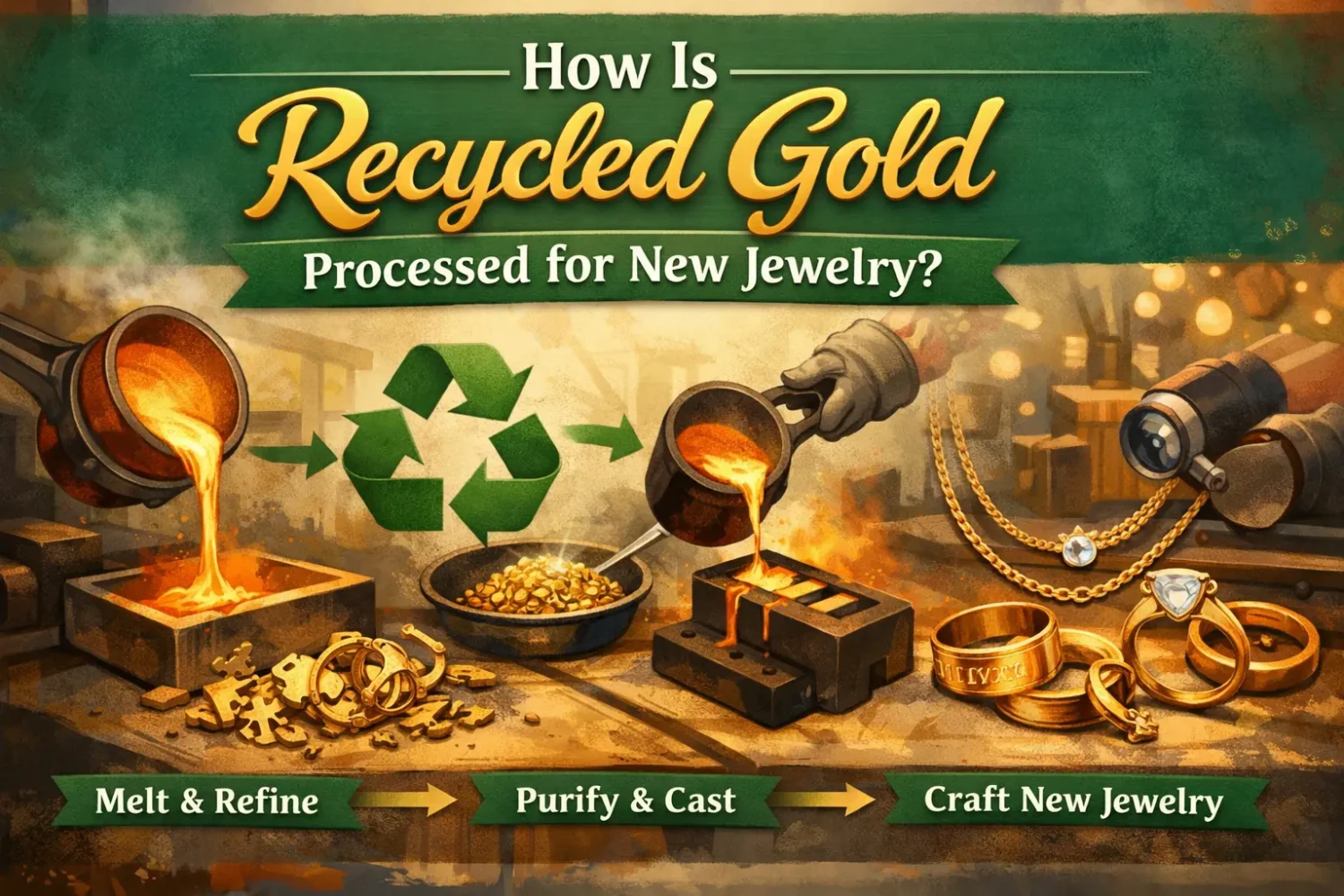
How Is Recycled Gold Processed for New Jewelry?

why do wedding rings go on left hand
Related products

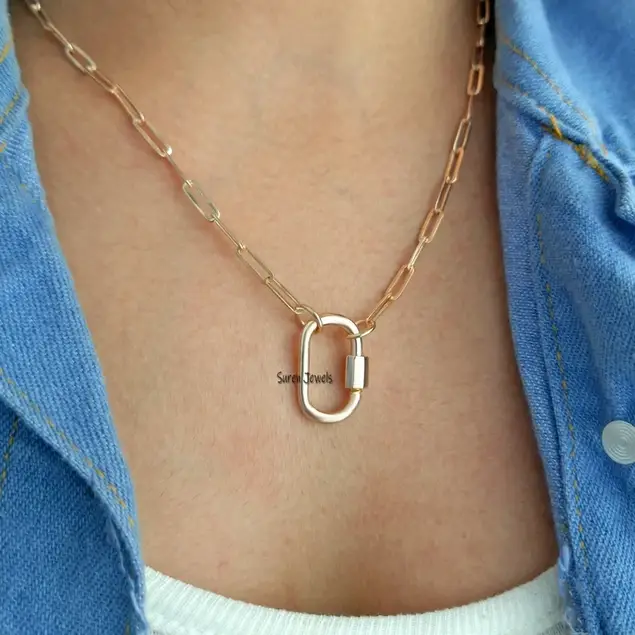
9k Gold Carabiner Necklace – Solid Gold Paperclip Carabiner Lock
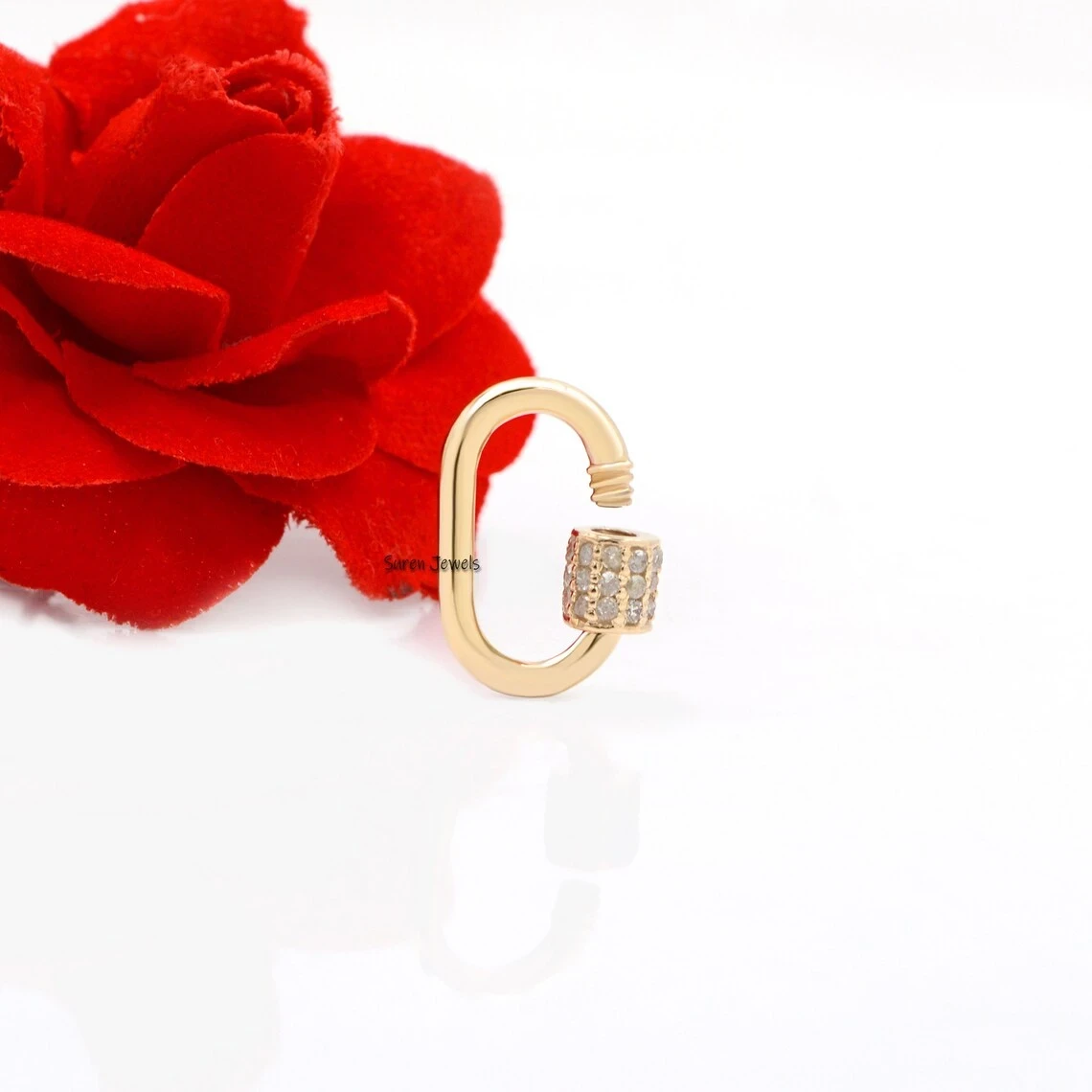
14K Gold Two-Tone Diamond Carabiner Lock – Elegant & Secure

14K & 9K Gold Carabiner Lock – 16MM Yellow Gold Connector Pendant

Private Label 14K Yellow Gold Dog Bone Carabiner Lock Connector Jewelry
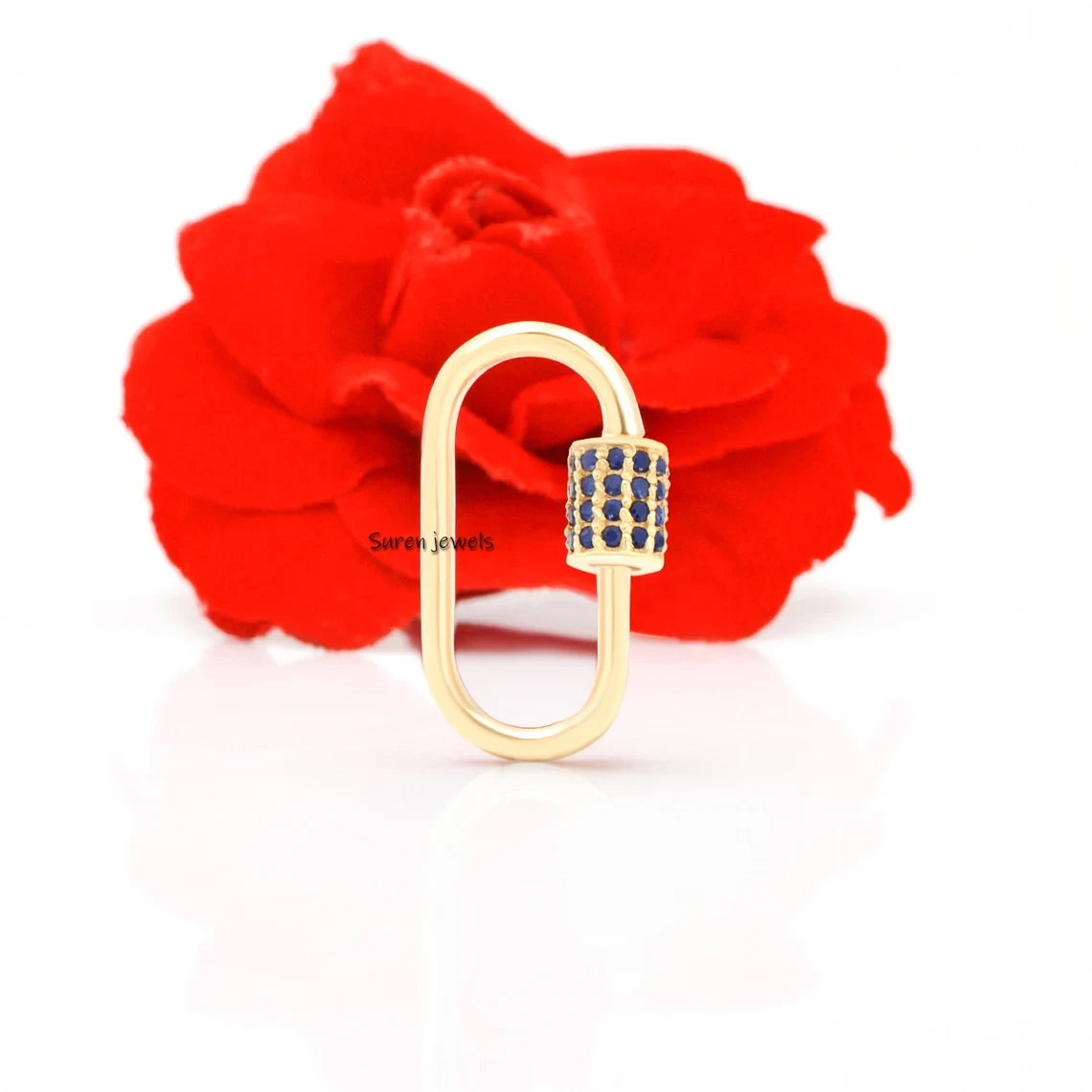
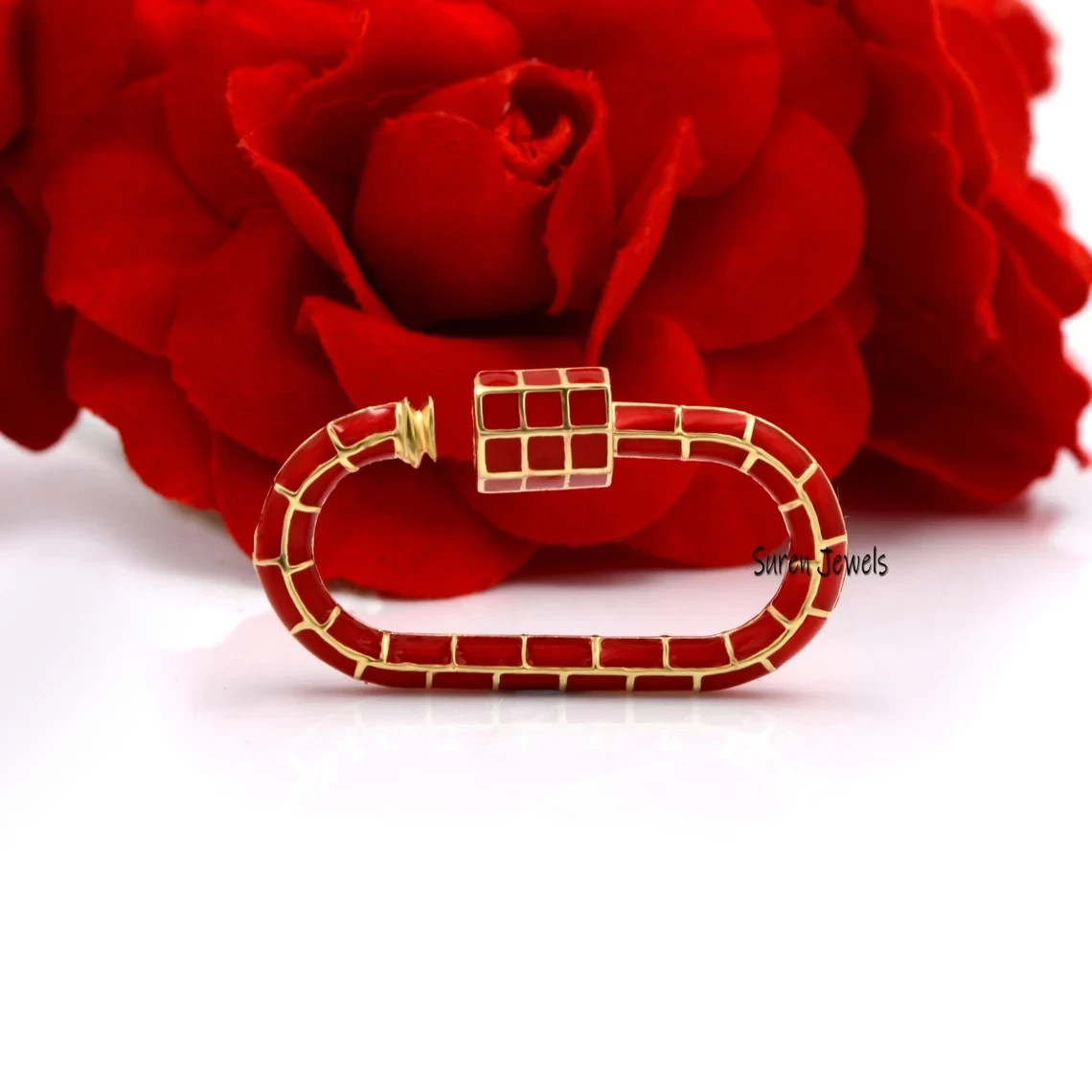
14K Solid Gold Enamel Carabiner Lock – Designer Gemstone Carabiner Jewelry
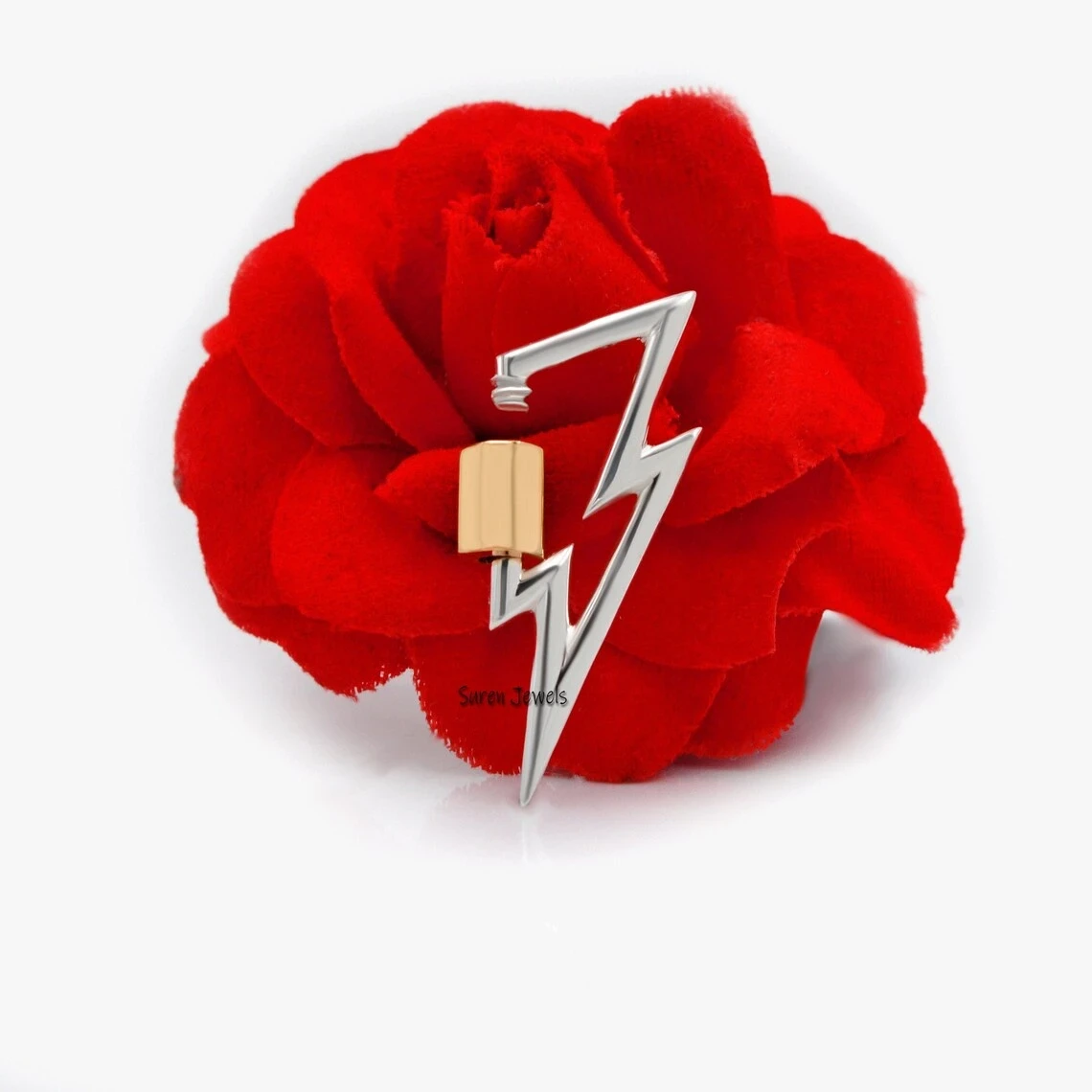
14K Gold & Silver Two-Tone Lightning Bolt Carabiner Clasp – Screw Lock Charm

Private Label 14K Solid Rose Gold Pave Diamond Carabiner Baby Findings Lock

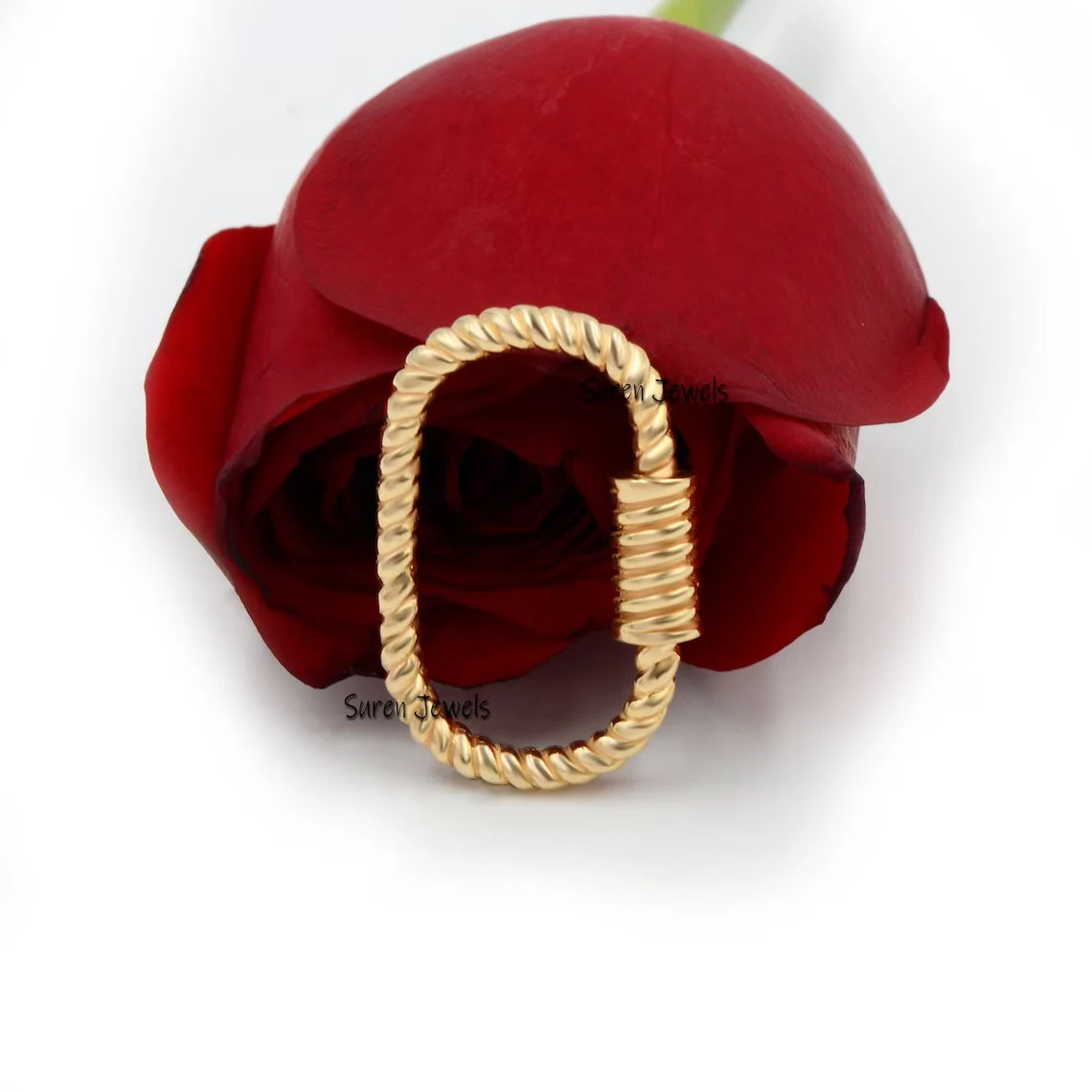
14K Gold Carabiner Lock Pendant – Solid Twisted Gold Carabiner for Wholesale

14K Yellow Gold Twisted Wire Carabiner Lock Manufacturer
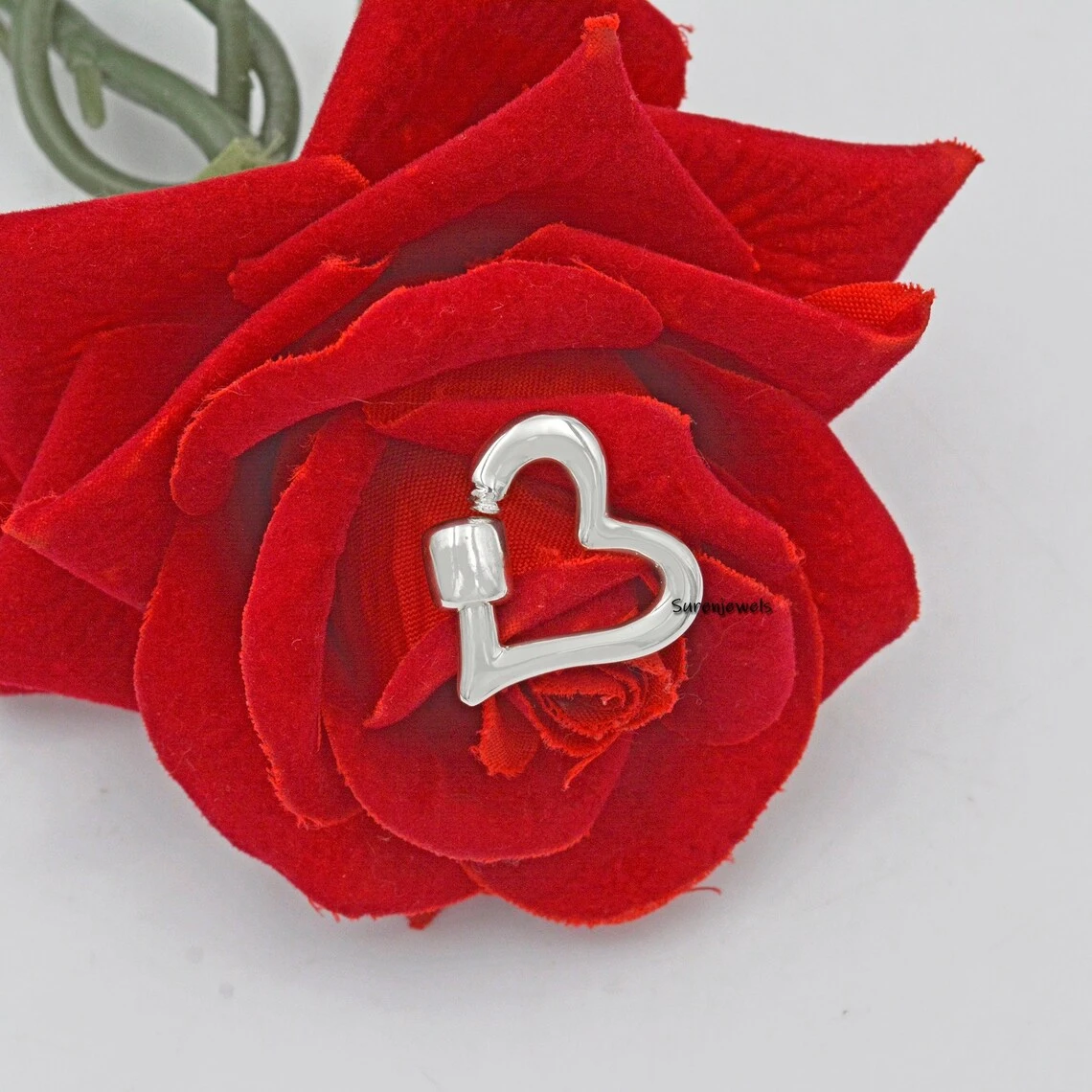
14K Gold Heart Carabiner Lock – Solid Gold Heart Pendant for Necklaces & Charm Holders

Wholesale 14K Yellow Gold Clicker Link Carabiner Lock Jewelry

925 Silver Twisted Wire Carabiner Lock Manufacturer
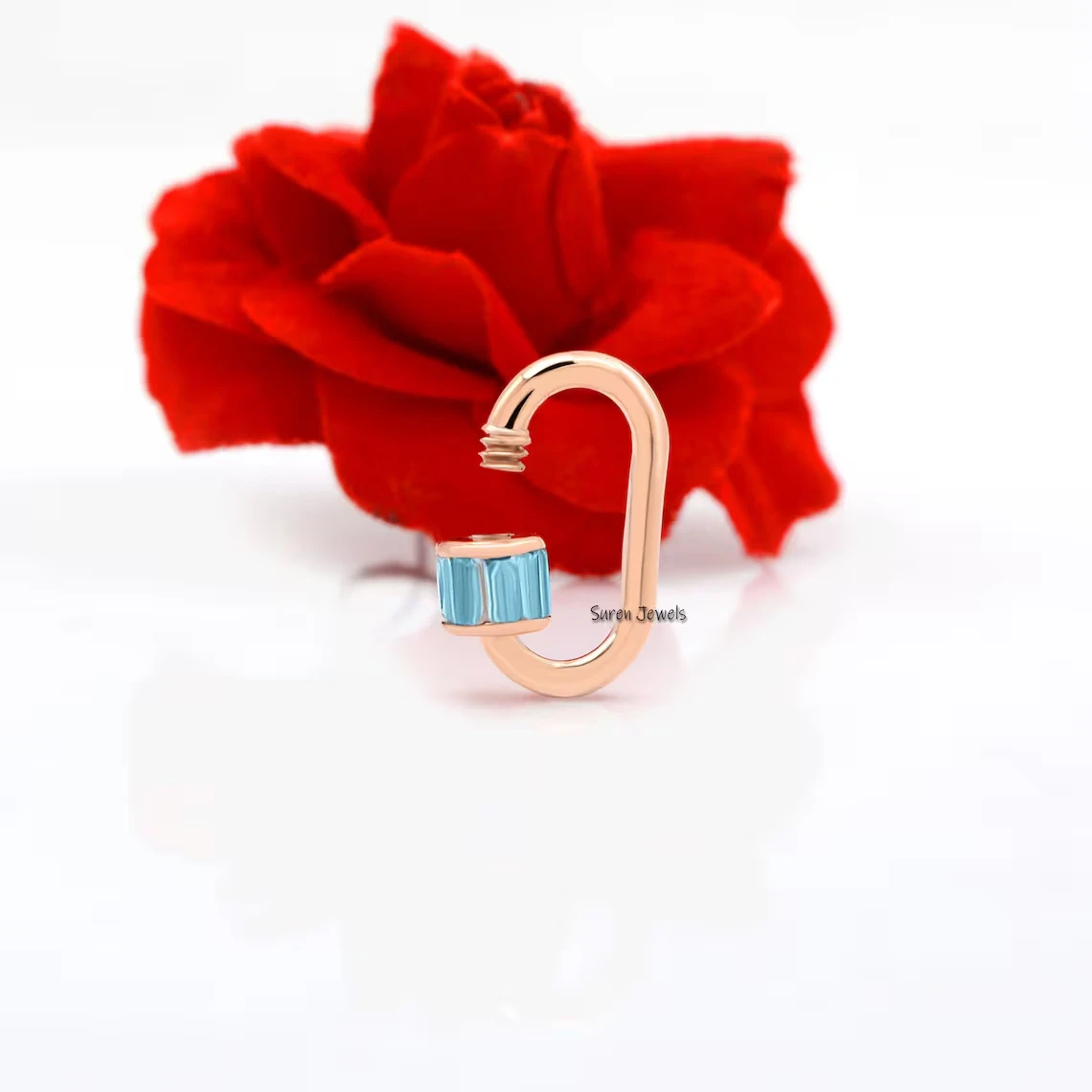
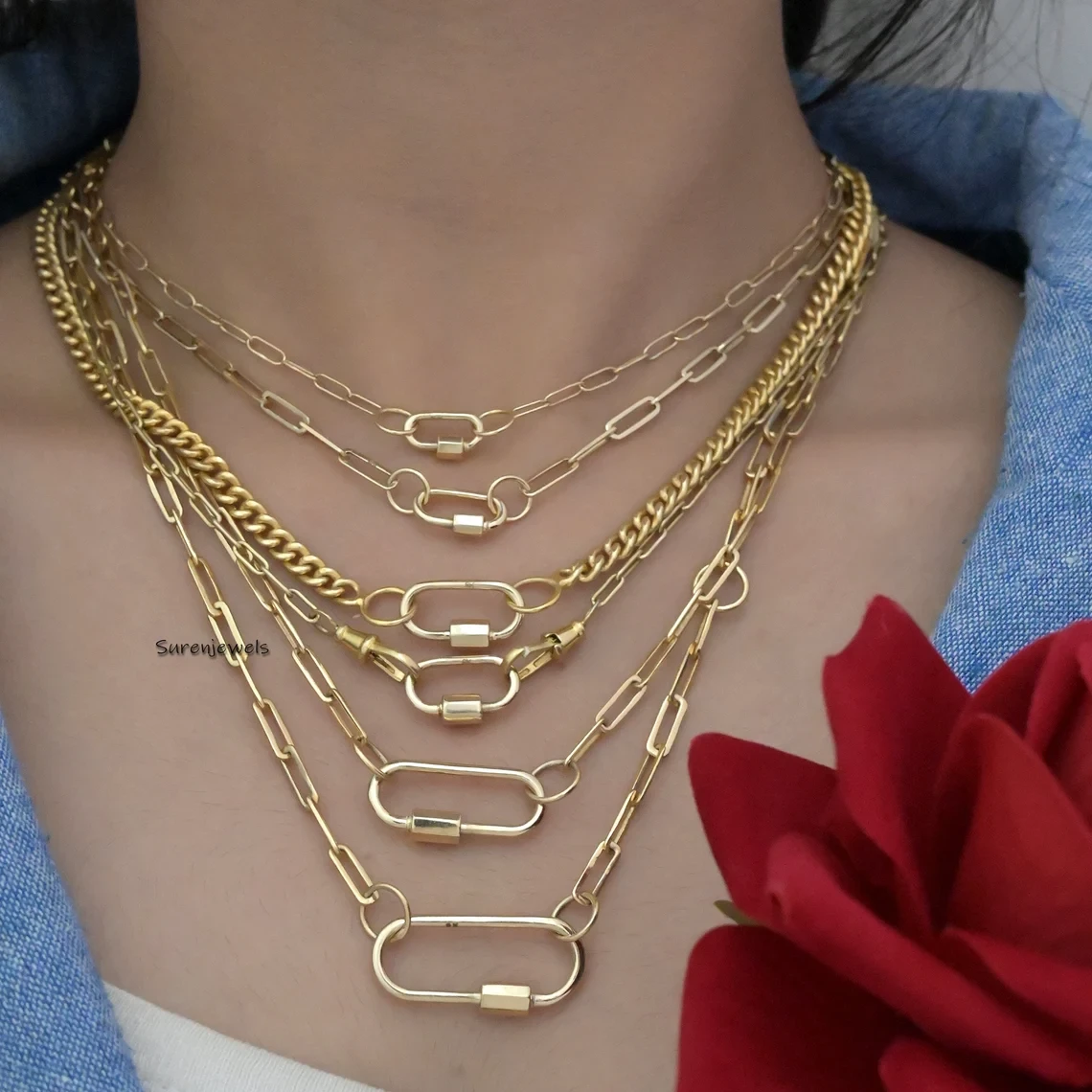
14K Gold Carabiner Lock – Secure & Stylish Gold Carabiner Lock Charm
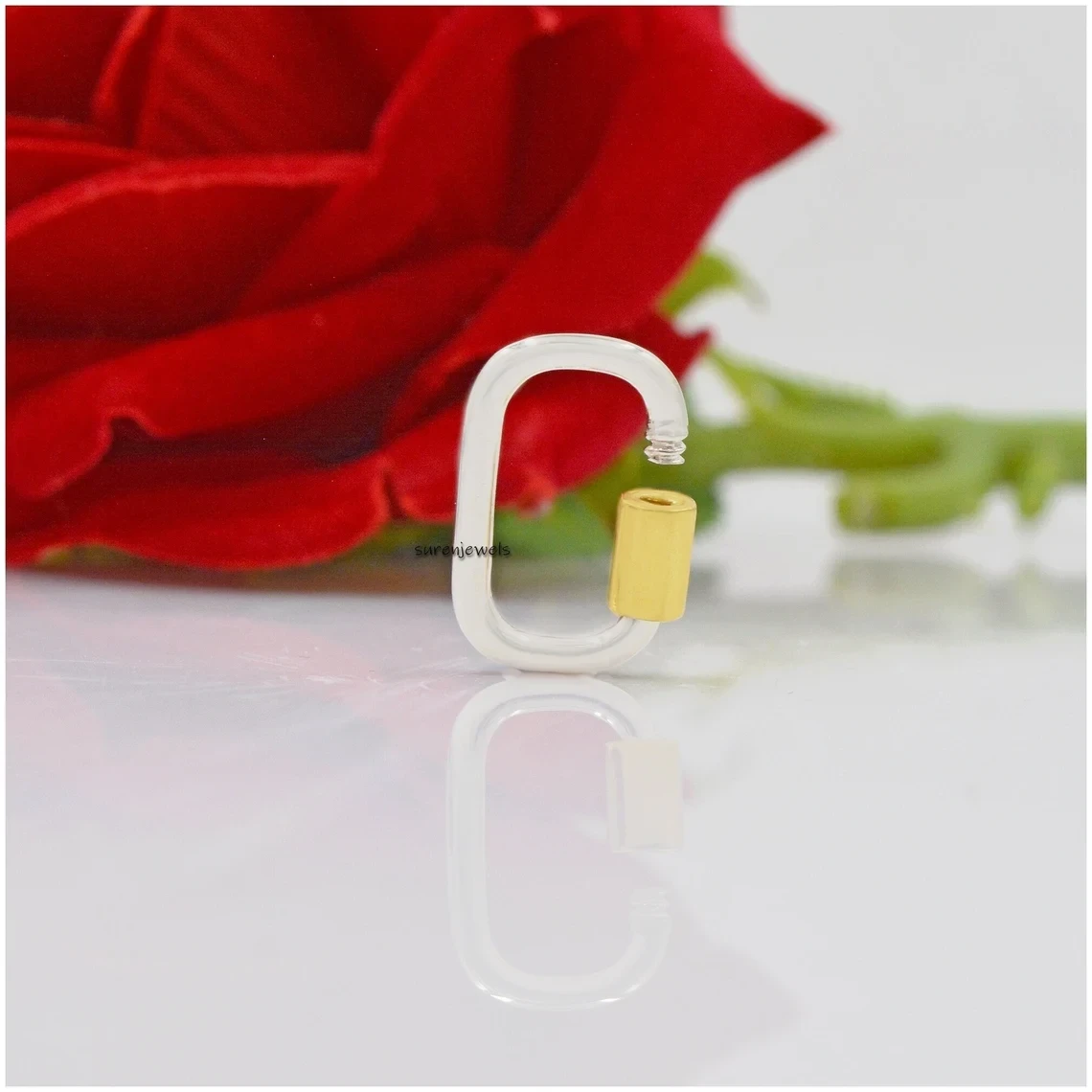
9K Gold Screw Carabiner Lock – Plain Square Jewelry Connector for Charms & Necklaces
Contact Us For Custom Jewelry
Please get in touch with us and share your ideas if you have personalized jewelry or are searching for a private label jewelry manufacturer. In accordance with your suggestions, we will make and present genuine jewelry.
Drop Us a Line
Scan QR Code
for immediate contact



Contacts
-
Address
FF-206, Kishanpole Bazar, Jaipur, Rajasthan
-
Phone / WhatsApp
+91 9216779317
-
Email
My Account
Subscribe to our newsletter for regular updates about Offers, Coupons & more
-
Address
FF-206, Kishanpole Bazar, Jaipur, Rajasthan
-
Phone
+91 9216779317
-
Email
-
For Order Related Query
Please get in touch with the above mentioned number on whatsapp only
-
Opening Hours
Monday to Sunday | 10:00 AM to 7:00 PM