

How to Clean Oxidized Jewellery Using Easy Homemade Remedies — The Complete Guide
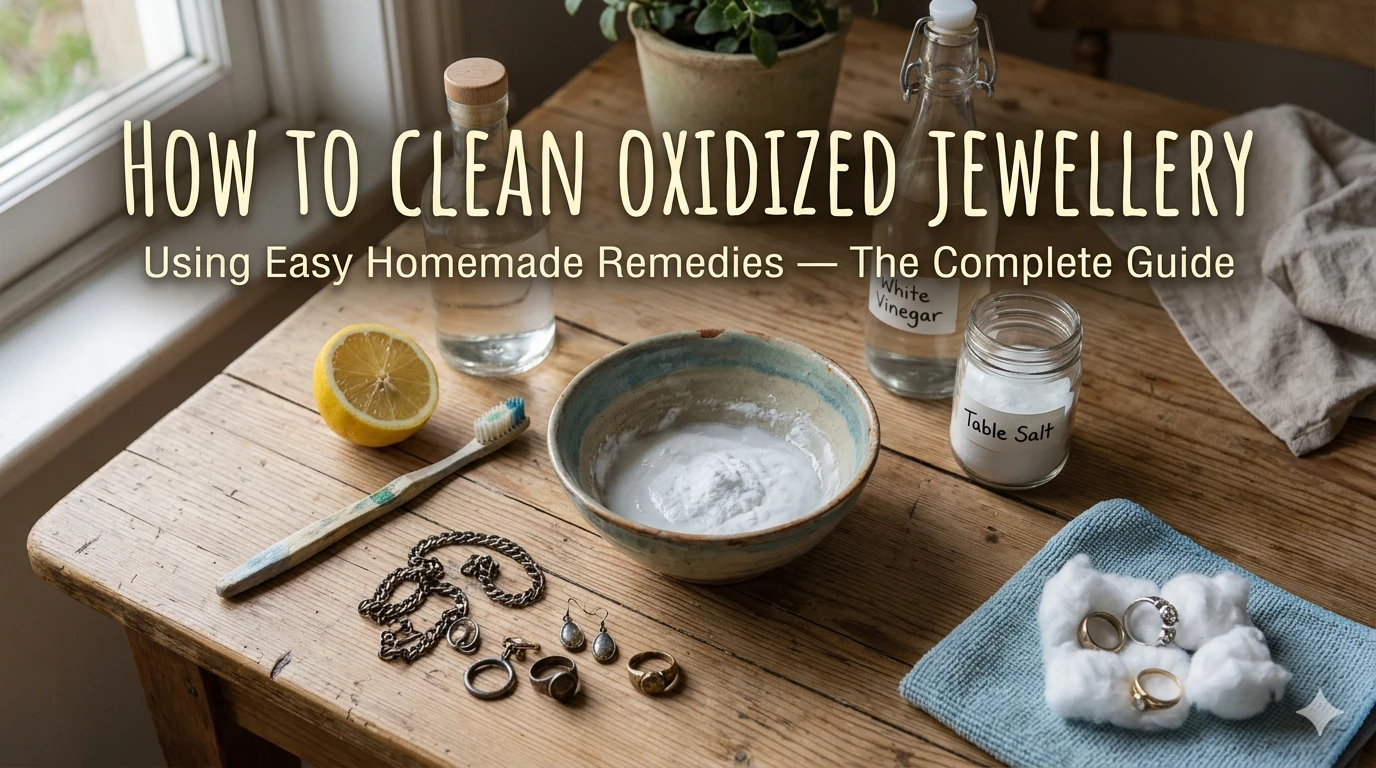
How to Clean Oxidized Jewellery Using Easy Homemade Remedies — The Complete Guide
You reach into your jewellery box, excited to wear that beloved silver necklace or your cherished brass bangle and there it is. Dull. Dark. Discolored. The sparkle you fell in love with seems like a distant memory.
Sound familiar? You're not alone. Jewellery oxidation is one of the most common problems faced by jewellery lovers across the world and the good news is, it's almost always reversible. You don't need expensive professional cleaning kits or harsh chemical solutions. In most cases, the answer is sitting right in your kitchen.
At Suren Jewels, we have been passionate about the beauty, craftsmanship, and longevity of jewellery for decades. We believe that every piece you own deserves to look its absolute best and that taking care of it shouldn't be complicated or costly. This is the most comprehensive guide you'll find on cleaning oxidized jewellery at home, covering 15 proven homemade remedies, metal-specific cleaning methods, gemstone precautions, myth-busting tips, and expert storage advice.
Whether you own silver, gold, copper, brass, or American diamond jewellery this guide has something for you.
What Is Jewellery Oxidation? The Science Behind the Dullness
Before we jump into remedies, let's understand what we're actually dealing with because knowing why oxidation happens helps you treat it smarter and prevent it more effectively.
Oxidation is a chemical reaction that occurs when the surface of a metal comes into contact with oxygen, moisture, sulfur compounds, or other reactive elements in the environment. Over time, these reactions alter the metal's surface at a molecular level, creating a new compound on top one that looks dark, dull, or discolored.
Think of it like rust on iron it's the same underlying principle. The metal is chemically reacting to its surroundings, and what you see as tarnish or darkening is actually a new layer of metal oxide, sulfide, or carbonate compound sitting on the surface of your jewellery.
Here's what typically triggers jewellery oxidation:
Humidity and moisture : Water accelerates chemical reactions. High-humidity environments speed up oxidation dramatically, especially for silver and copper.
Sweat and skin oils : Your skin's natural acidity (pH levels) can react with metals. People with more acidic skin tend to find their jewellery tarnishes faster.
Sulfur compounds in the air : Silver is particularly vulnerable to hydrogen sulfide, a sulfur compound present in the air, rubber materials, wool, and even some foods like eggs.
Perfumes, lotions, and hairsprays : These products contain alcohol and other chemicals that settle on jewellery surfaces and accelerate oxidation.
Chlorine : Whether from swimming pools or tap water, chlorine is one of the most damaging elements for metals like gold alloys and silver.
Air pollution : Industrial air contains sulfur dioxide, nitrogen oxides, and other compounds that react with metal surfaces.
Incorrect storage : Leaving jewellery exposed to open air, especially in bathrooms or kitchens, dramatically accelerates tarnishing.
Understanding these triggers is the first step to effective prevention. Now let's get clear on terminology.
Tarnish vs. Oxidation: What's the Difference?
These two terms are often used interchangeably, but they are not quite the same thing and the distinction matters when choosing the right cleaning method.
Oxidation is the broader chemical phenomenon any reaction between a metal and an oxidizing agent (usually oxygen). It can result in a range of surface changes depending on the metal involved.
Tarnish is a specific type of oxidation the one that creates a thin, discolored film on metals like silver, copper, and brass. Tarnish affects only the outermost layer of the metal, which is precisely why it is almost always reversible with home remedies.
Here's a helpful breakdown:
The key takeaway: oxidation is reversible at the surface level. The remedies below work by chemically dissolving or physically removing these surface compounds restoring the metal underneath to its natural shine.
Which Metals Oxidize the Most? A Quick Reference Guide
Not all metals are equally vulnerable. Here's a quick guide to understand what you're working with:
High Oxidation Risk:
Pure Silver (925 Sterling) : Tarnishes quickly; highly reactive to sulfur in air
Copper : Develops green verdigris; reacts strongly with moisture and CO₂
Brass : A copper-zinc alloy; shares copper's tendency to oxidize
Moderate Oxidation Risk:
Gold Alloys (10K, 14K, 18K) : The lower the karat, the more alloy metals present, and the greater the oxidation risk
Bronze : Oxidizes like copper but more slowly
Low to No Oxidation Risk:
Pure Gold (24K) : Does not oxidize; chemically inert
Platinum : Extremely resistant to oxidation
Stainless Steel : Highly resistant due to chromium oxide protective layer
Titanium : Virtually immune to tarnishing
Before You Begin: Essential Prep Steps
Before you apply any cleaning method, take these important prep steps to avoid accidental damage:
Step 1: Identify the metal
Check for hallmarks or stamps (925 for sterling silver, 18K/14K for gold, etc.). If unsure, check your purchase receipt or test with a magnet silver and gold are non-magnetic.
Step 2: Check for loose stones
Gently shake the piece near your ear. If you hear rattling, or if stones appear loose, skip DIY cleaning and visit a jeweller.
Step 3: Know your finish
Is your piece plain metal? Plated? Intentionally oxidized (dark patina)? Each requires a different approach.
Step 4: Assess the severity
Light tarnish? Gentle methods will do. Heavy, long-term oxidation? You may need stronger techniques or repeat applications.
Step 5: Gather your materials
Have soft cloths (microfiber works best), a soft-bristle toothbrush, cotton swabs, and your chosen cleaning ingredients ready before you start.
Fifteen Homemade Remedies to Clean Oxidized Jewellery
Here are the most effective, tested, and safe home remedies organized from gentlest to strongest, with step-by-step instructions and the science behind why each one works.
Remedy 1: Mild Dish Soap and Warm Water
Best for: All metal types, plated jewellery, jewellery with stones Difficulty: Beginner Time: 10 minutes
This is the gentlest method and the best starting point for any piece you're unsure about.
Instructions:
Fill a small bowl with lukewarm water (never hot).
Add 2–3 drops of mild, fragrance-free dish soap.
Place your jewellery in the bowl and let it soak for 5 minutes.
Using a soft toothbrush or cotton swab, gently clean around crevices, settings, and detailed areas.
Rinse thoroughly under cool, running water.
Pat completely dry with a soft microfiber cloth. Allow to air dry for 10–15 minutes before storing.
Why it works: Dish soap is a surfactant it breaks down the oils, sweat, and light grime that accumulate on jewellery surfaces, making it easier to rinse them away.
Tip: This method is safe for most gemstones but avoid soaking pearls, opals, or turquoise.
Remedy 2: Baking Soda and Water Paste
Best for: Silver, brass, copper Difficulty: Beginner Time: 10–15 minutes
One of the most versatile and well-known home remedies for oxidized jewellery.
Instructions:
Mix 1 tablespoon of baking soda with just enough water to form a thick paste (similar to toothpaste consistency).
Apply the paste directly onto the jewellery using your fingers or a soft cloth.
Gently rub in circular motions, paying extra attention to tarnished areas.
Let it sit for 2–3 minutes.
Rinse thoroughly with lukewarm water.
Dry immediately with a soft microfiber cloth.
Why it works: Baking soda (sodium bicarbonate) is a mild alkali that reacts with acidic tarnish compounds, neutralizing and loosening them from the metal surface. Its fine grain also provides gentle abrasion.
Caution: Use light pressure baking soda can scratch very soft metals or delicate stone surfaces if scrubbed too aggressively.
Remedy 3: Aluminum Foil + Baking Soda + Salt Bath (The Science Method)
Best for: Sterling silver exclusively Difficulty: Beginner Time: 10 minutes
This is the most impressive and scientifically fascinating method on the list and it works without any scrubbing at all.
Instructions:
Line a bowl or baking dish with aluminum foil, shiny side facing up.
Place your silver jewellery on the foil, ensuring each piece touches the foil directly.
In a separate cup, mix 1 tablespoon of baking soda, 1 tablespoon of salt, and 1 cup of hot water. Stir until dissolved.
Pour the hot solution over the jewellery in the foil-lined bowl.
You will see fizzing and possibly a slight sulfur smell this is the reaction working.
Let the jewellery soak for 5–10 minutes.
Remove with tongs, rinse with cool water, and buff dry with a soft cloth.
Why it works: This is electrochemical reduction at work. The aluminum foil acts as a sacrificial anode it attracts the sulfur molecules away from the silver sulfide (tarnish) on your jewellery. The baking soda and salt act as an electrolyte solution that facilitates ion transfer. The result: tarnish is literally transferred from your silver onto the foil, without any scrubbing required.
Important: This method works only on sterling silver. Do not use it on plated jewellery, as the electrochemical reaction can strip plating.
Remedy 4: White Vinegar Soak
Best for: Brass, copper, heavily tarnished silver Difficulty: Beginner Time: 15–20 minutes
Instructions:
Pour ½ cup of white vinegar into a small bowl.
Submerge the jewellery completely.
Let it soak for 10–15 minutes (up to 20 for heavy tarnish).
For stubborn spots, gently scrub with a soft toothbrush.
Rinse thoroughly with cool water.
Dry completely with a soft cloth.
Why it works: White vinegar is dilute acetic acid. It reacts with and dissolves the basic metal oxide and carbonate compounds that form on brass and copper surfaces (verdigris), breaking them down so they can be rinsed away.
Caution: Do not use vinegar on pearls, opals, or coral the acid can dissolve calcium-based materials. Also avoid on gold or silver plated pieces as it may strip the plating over time.
Remedy 5: Vinegar + Baking Soda Soak (For Heavy Oxidation)
Best for: Severely tarnished brass, copper, silver Difficulty: Beginner Time: 20 minutes
Instructions:
Mix ½ cup white vinegar and 2 tablespoons of baking soda in a bowl (expect fizzing this is normal).
Once the fizzing settles, submerge the jewellery.
Let it soak for 10–15 minutes.
Gently scrub with a soft toothbrush.
Rinse thoroughly and dry completely.
Why it works: The combination of vinegar (acid) and baking soda (base) creates carbonic acid and CO₂ bubbles. The fizzing action helps lift and loosen stubborn tarnish from crevices while the acetic acid continues to dissolve oxidation.
Remedy 6: Lemon Juice and Salt
Best for: Brass and copper jewellery Difficulty: Beginner Time: 10 minutes
Instructions:
Cut a lemon in half and sprinkle a generous pinch of table salt over the cut surface.
Directly rub the lemon half over the tarnished jewellery, using the flesh as an applicator.
For small or detailed pieces, squeeze lemon juice into a bowl, add a pinch of salt, and soak for 5 minutes.
Rinse thoroughly with cool water.
Dry immediately and completely.
Why it works: Citric acid in lemon juice dissolves copper carbonate (the green verdigris) and other oxidation compounds on brass and copper. Salt provides mild mechanical abrasion to help lift loosened tarnish.
After-care tip: After cleaning copper or brass with lemon, apply a tiny amount of coconut oil or olive oil with a soft cloth. This creates a protective barrier that slows future oxidation.
Remedy 7: Lemon Juice and Water Soak
Best for: Costume jewellery, brass, light tarnish on mixed metals Difficulty: Beginner Time: 15 minutes
Instructions:
Mix equal parts lemon juice and water in a small bowl.
Submerge the jewellery and let it soak for 10–15 minutes.
If tarnish remains, soak for a further 5 minutes.
Rinse with cool water don't drench it, use just enough to rinse clean.
Buff dry with a soft cloth.
Why it works: The diluted citric acid gently dissolves surface tarnish without being as aggressive as concentrated lemon juice, making it suitable for more delicate pieces.
Remedy 8: Baking Soda and Lemon Juice Paste
Best for: Brass, copper, silver (moderate tarnish) Difficulty: Beginner Time: 10–15 minutes
Instructions:
Mix 1 tablespoon of baking soda with a few drops of fresh lemon juice to form a paste.
Apply to the jewellery using a soft cloth or cotton swab.
Gently rub in circular motions for 1–2 minutes.
Let it sit for an additional 3 minutes.
Rinse with cool water and dry completely.
Why it works: This combines the mild abrasion and alkalinity of baking soda with the acid action of lemon juice a powerful one-two punch against stubborn surface tarnish.
Remedy 9: Vinegar and Salt Soak
Best for: Brass and copper jewellery with heavy oxidation Difficulty: Beginner Time: 15 minutes
Instructions:
Mix ½ cup white vinegar with 1 teaspoon of table salt.
Soak the jewellery for 5–10 minutes.
Gently scrub with a soft toothbrush if needed.
Rinse thoroughly and dry completely.
Caution: Avoid this method on plated jewellery or pieces with glued stones, as the salt and acid combination can loosen adhesive settings.
Remedy 10: Club Soda Soak
Best for: Diamond, gemstone, and gold jewellery Difficulty: Beginner Time: 5 minutes
Instructions:
Pour club soda (plain sparkling water) into a small bowl.
Drop in your jewellery and let it soak for 2–5 minutes.
The carbonation gently lifts dirt and grime from the surface.
Remove, rinse lightly, and dry with a soft cloth.
Why it works: The carbonation creates tiny bubbles that physically dislodge dust, oils, and light grime from metal surfaces and gemstone facets without any chemical reaction that could harm sensitive stones.
Tip: This is one of the safest methods for diamond jewellery. The carbonation gets into tiny crevices around settings beautifully.
Remedy 11: Ketchup Dip
Best for: Brass and copper jewellery Difficulty: Beginner Time: 15 minutes
This one surprises people but it genuinely works.
Instructions:
Place your jewellery in a small bowl and pour enough ketchup to cover it fully.
Let it soak for 5–10 minutes.
For stubborn tarnish, use a soft toothbrush to work the ketchup into crevices.
Rinse thoroughly make sure all ketchup residue is removed.
Dry completely with a soft cloth.
Why it works: Ketchup contains tomato-derived acids (citric and acetic) as well as vinegar and salt a natural, ready-mixed tarnish remover for copper-based metals.
Remedy 12: Banana Peel Polish
Best for: Brass, copper, and light tarnish on general metals Difficulty: Beginner Time: 15 minutes
Instructions:
Take a ripe banana peel and rub the soft, inner white side directly onto the tarnished jewellery.
Continue rubbing for 2–3 minutes.
Leave the residue on for 10 minutes.
Rinse with cool water and buff dry.
Why it works: Banana peels contain potassium and natural fruit acids along with oils that gently break down light oxidation and polish the surface. It's one of the most gentle options available.
Remedy 13: Beer Soak (For Gold)
Best for: Gold jewellery (without gemstones) Difficulty: Beginner Time: 10 minutes
Instructions:
Pour a small amount of plain, light beer (not dark) into a bowl.
Submerge your gold jewellery and let it soak for 5–10 minutes.
Gently rub with a soft cloth.
Rinse with cool water and dry completely.
Why it works: Beer contains mild carbonation and trace acids that gently lift dirt and restore some shine to dull gold jewellery. It's a surprising but effective vintage trick.
Note: This is for solid gold only avoid on plated pieces or those with stones.
Remedy 14: Toothpowder and Water Paste
Best for: Brass and copper jewellery only Difficulty: Beginner Time: 10 minutes
Instructions:
Mix a small pinch of plain toothpowder with a few drops of water to form a thin paste.
Apply using a soft cloth or cotton ball.
Gently rub in circular motions over tarnished areas.
Rinse well and dry immediately.
Important: Use toothpowder not toothpaste. Toothpaste formulations today often contain stronger abrasives, whitening chemicals, and fluoride that can scratch or damage metals and stones. (More on this in the myth-busting section.)
Remedy 15: Mild Soap + Ammonia Solution (For Diamond and Platinum)
Best for: Diamond jewellery and platinum settings only Difficulty: Intermediate Time: 20 minutes
Instructions:
Mix 1 cup of warm water with ¼ cup of ammonia-free, mild liquid soap.
Soak the jewellery for 10 minutes.
Use a soft-bristle toothbrush to gently clean around stone settings and prongs.
Rinse thoroughly under cool water.
Dry with a lint-free soft cloth.
Important: Ensure the soap you use is truly ammonia-free. Ammonia can damage gold and silver, but is generally safe for diamonds in dilute, ammonia-containing solutions if used sparingly. When in doubt, use plain mild soap only.
6. Metal-Specific Cleaning Guide
Use this quick-reference table to match your jewellery's metal to the safest and most effective cleaning approach:
Gemstone & Stone-Studded Jewellery: Special Precautions
This is the section that separates beginner jewellery care from expert jewellery care and it's a gap that none of our competitors cover adequately. Different gemstones have very different vulnerabilities. Here's what you need to know:
Diamonds:
The hardest natural substance on earth, diamonds are quite durable. Club soda, mild soap, and soft brushes work wonderfully. Avoid abrasive scrubbing of the setting (not the stone itself).
Pearls:
Extremely delicate and porous. Pearls should NEVER be soaked in any liquid, including water. Clean only by wiping gently with a barely damp soft cloth. Never use vinegar, lemon, baking soda, or any acid they will dissolve the pearl's surface.
Opals:
Porous stones that can absorb liquids and crack under heat changes. Never soak, never use heat, never use acids or strong chemicals. Wipe gently with a damp soft cloth only.
Emeralds:
Often treated with oils or resins to enhance clarity. Soaking can remove these treatments. Use only a soft, barely damp cloth. No vinegar, no lemon, no soaking.
Rubies and Sapphires:
More durable than emeralds. Mild soap and water with a soft brush is safe. Avoid ultrasonic cleaners for treated stones.
Turquoise and Coral:
Both are porous and calcium-based. Acids (vinegar, lemon) will literally dissolve their surfaces. Use only a dry or barely damp cloth.
Cubic Zirconia (CZ) and American Diamond (AD):
Generally safe with mild soap and water. The risk is in the settings — stones are often glued, so avoid soaking for long periods which can loosen adhesive.
Amethyst, Topaz, Garnet:
Durable enough for mild soap and water. Avoid sudden temperature changes and hard scrubbing.
Golden Rule for Stone Jewellery:
When in doubt, use only a soft, barely damp cloth and mild soap. Err on the side of caution.
Common Cleaning Myths & Mistakes Busted
Across all the top-ranking content online, we found several contradictions and myths circulating about jewellery cleaning. Here's the truth:
Myth 1: "Toothpaste is great for cleaning jewellery." The Truth:
This is one of the most repeated pieces of bad advice in jewellery care. Modern toothpastes even "gentle" ones contain abrasives (silica, calcium carbonate), whitening agents, and fluoride. These can permanently scratch soft metals like gold and silver, damage stone surfaces, and strip protective plating. Some older-formulation toothpastes were milder, which is where this advice originated. Toothpowder (without abrasive additives) is a safer alternative for brass and copper only but toothpaste should be avoided entirely.
Myth 2: "Bleach makes jewellery sparkle." The Truth:
Bleach (sodium hypochlorite) is highly corrosive to most metals. It reacts aggressively with silver, gold alloys, and copper, causing permanent surface damage and pitting. Never use bleach on jewellery.
Myth 3: "Lemon juice works on all metals." The Truth:
Lemon juice is excellent for brass and copper, but it's too acidic for silver and gold. On silver, citric acid can over-strip the surface and cause pitting. On gold alloys, it can accelerate deterioration of the alloy metals. Stick to lemon juice for copper and brass only.
Myth 4: "If a little cleaning solution is good, more is better." The Truth:
Over-cleaning is just as damaging as not cleaning at all. Excessive soaking in any solution even mild ones can loosen stone settings, strip plating, and weaken metal over time. Always follow recommended soaking times.
Myth 5: "Vinegar is safe for all jewellery." The Truth:
Vinegar (acetic acid) is safe for copper and brass, but should be used with caution on silver (diluted and briefly), and avoided entirely on gold, pearls, opals, turquoise, and coral.
Myth 6: "Boiling water will clean jewellery." The Truth:
High heat can crack porous gemstones like opals and turquoise, loosen glue in stone settings, warp thin metal components, and damage treated stones. Always use lukewarm or cool water.
Myth 7: "Once cleaned, jewellery won't tarnish again." The Truth:
Cleaning removes existing tarnish, but doesn't prevent future oxidation. Proper storage and preventive care (see below) are essential for keeping jewellery tarnish-free long-term.
Intentionally Oxidized Jewellery: When You WANT the Dark Look
This is a topic that none of our competitors address yet it's crucial for a significant portion of jewellery lovers.
Oxidized jewellery (like the traditional silver-black Indian oxidized earrings, necklaces, and bangles) is deliberatelytarnished during manufacturing. Artisans expose silver or silver-plated pieces to chemical solutions that create a controlled dark patina giving the jewellery a rustic, antique, ethnic look that is highly prized in traditional and bohemian fashion.
If you own intentionally oxidized jewellery, most of the cleaning remedies in this guide will remove the oxidized finish permanently. That's not what you want.
How to MAINTAIN Intentionally Oxidized Jewellery?:
Clean only with a soft dry cloth — Gently wipe after each wear to remove oils and dust.
Never soak — Water and soaking will gradually lift the oxidized layer.
Avoid chemical exposure — Perfumes, lotions, and cleaning agents are the biggest enemies.
Store in airtight pouches — Prevents further air and moisture exposure.
Polish gently on raised areas only — If you want to restore some silver shine on the high-relief areas while keeping the dark recessed areas, use a very soft polishing cloth only on the raised surfaces.
Avoid over-polishing — Polishing too much removes the intentional dark finish, destroying the artistic design.
When should you use cleaning remedies on intentionally oxidized jewellery? Only if the piece has developed unevenor unwanted additional tarnish beyond the original finish. In this case, use the mildest method (mild soap and water, dabbed very carefully) to even out the appearance never a full soak.
How to Prevent Jewellery from Oxidizing?
The best approach to oxidation is prevention. Here's a comprehensive guide to keeping your jewellery tarnish-free for longer:
Wear Smartly:
Always put on jewellery last when getting dressed after perfume, lotion, hairspray, and makeup are fully dry.
Remove jewellery before swimming (pool chlorine and sea salt are harsh), showering, washing dishes, or exercising.
Remove jewellery before sleeping sweat and body oils during sleep accelerate tarnishing.
Clean After Every Wear:
A quick, gentle wipe with a soft microfiber cloth after each use removes sweat, oils, and product residue before they can begin reacting with the metal. This single habit can dramatically extend the time between deep cleans.
Apply a Protective Barrier:
For copper and brass jewellery, a thin coat of clear nail polish on the inside surfaces that touch your skin can protect both the metal and your skin.
Renaissance Wax or similar microcrystalline wax products can be applied to brass and copper pieces to slow oxidation.
Control Your Environment:
Store jewellery away from bathrooms and kitchens high humidity environments are oxidation accelerators.
In extremely humid climates, consider a small dehumidifier in your jewellery storage area.
Use Anti-Tarnish Products:
Anti-tarnish strips (available online) contain activated carbon that absorbs sulfur compounds in the air, significantly slowing silver tarnish when placed in your jewellery storage.
Silica gel packets absorb excess moisture and are excellent additions to any jewellery box.
Seasonal Jewellery Care Tips
Jewellery care needs change with the seasons something no competitor we reviewed addresses:
Summer:
Sweat is at its peak. Clean jewellery more frequently weekly wipes are recommended for daily-wear pieces.
Sunscreen, insect repellent, and sun oils are highly reactive with metals. Remove jewellery before applying.
Pool season means chlorine exposure. Always remove jewellery before swimming.
Higher humidity levels mean faster tarnishing for stored pieces check stored jewellery monthly.
Monsoon / Rainy Season:
This is the highest-risk season for oxidation in tropical climates.
Add extra silica gel packets to your jewellery boxes.
Increase cleaning frequency for all metal types.
Consider storing particularly vulnerable pieces (sterling silver, brass) in individual airtight zip-lock bags.
Fall / Autumn:
This is the season when most people pull out jewellery stored from summer. Check all pieces before wearing to holiday parties or family gatherings.
Humidity generally drops good news for storage.
Layering season means more jewellery contact with fabric, which can cause friction and light scratching.
Winter:
Indoor heating reduces humidity beneficial for storage, but dry air can create static that attracts dust.
Holiday season is peak jewellery-wearing time. Clean and inspect all pieces in early November.
Cold temperatures can make some metals (particularly those with stones) more brittle. Handle with extra care.
Smart DIY Storage Hacks to Prevent Future Tarnish
Proper storage is as important as cleaning. Here are expert storage strategies:
Individual Pouches:
Store each piece in its own soft cloth or velvet pouch. This prevents pieces from scratching each other and limits individual exposure to air.
Airtight Zip-lock Bags:
For long-term storage of sterling silver or easily-tarnished pieces, place each piece in an individual small zip-lock bag, squeeze out as much air as possible before sealing, and drop in one anti-tarnish strip.
Chalk Trick:
A piece of chalk placed in your jewellery box absorbs moisture and helps prevent tarnish. Replace every 1–2 months.
Activated Charcoal:
Small pouches of activated charcoal (or charcoal briquettes wrapped in cloth) placed near stored silver absorb sulfur compounds from the air the primary cause of silver tarnish.
Cedar Chips:
Like activated charcoal, cedar naturally repels insects (beneficial for organic jewellery like amber or wood) and has mild tarnish-prevention properties.
Separate by Metal Type:
Store silver with silver, gold with gold, copper and brass separately. Storing mixed metals together can create micro-galvanic reactions between different metals, accelerating corrosion.
Vertical Necklace Storage:
Store necklaces hanging vertically (on a jewellery stand or hook) rather than loose in a box. This prevents tangling and kinking both of which cause micro-damage to chains over time.
Silica Gel Packets:
Reusable silica gel packets are among the most effective moisture absorbers. Recharge them by placing in a low oven (around 120°C / 250°F) for 30 minutes when saturated.
When to Skip DIY and Visit a Professional?
While home remedies handle the majority of jewellery oxidation issues effectively, there are situations where professional cleaning is the right call:
Go to a professional if:
Your jewellery has loose or missing stones a jeweller can re-set stones and clean simultaneously.
The piece has significant sentimental or monetary value (heirlooms, fine jewellery, antiques).
The tarnish has been left for a very long time and home remedies have not worked after multiple attempts.
The piece has intricate filigree work or extremely delicate construction.
You notice pitting, structural damage, or discoloration that goes beyond surface tarnish.
The jewellery is plated and the plating is visibly wearing off a jeweller can re-plate it.
The piece contains heat-sensitive, rare, or organic gemstones (amber, coral, jet, ivory, horn).
What professionals use:
Jewellers have access to ultrasonic cleaners (which use sound waves to vibrate dirt loose), steam cleaners, professional polishing wheels, and chemical baths formulated specifically for each metal type. These tools achieve results that home methods simply cannot replicate but they're overkill for routine maintenance.
Cost consideration:
A professional clean typically costs anywhere from $20 to $50 for basic cleaning, and more for complex restoration work. For everyday pieces, home remedies are a perfectly adequate and cost-effective solution.
Frequently Asked Questions
Q1: How often should I clean my jewellery at home?
For daily-wear pieces: wipe with a soft cloth after every use, and deep-clean every 2–4 weeks. For occasionally-worn pieces: inspect every month or so, and deep-clean as needed. For stored pieces: check every 3–6 months.
Q2: Can I clean oxidized jewellery with soap and water?
Yes mild dish soap and lukewarm water is actually the safest universal starting method for most jewellery types. Avoid prolonged soaking for plated pieces or jewellery with glued stones.
Q3: Does oxidation permanently damage jewellery?
No. Oxidation is a surface-level chemical reaction. With appropriate cleaning, it can almost always be fully reversed. However, if left untreated for years, repeated oxidation cycles can gradually thin or pit softer metals like silver.
Q4: Why does my jewellery tarnish so quickly?
Faster-than-normal tarnishing is usually due to one or more of: high skin acidity, high humidity in your environment, exposure to perfumes/lotions/chemicals, or improper storage. Assess your daily habits and storage conditions first.
Q5: Is it safe to use toothpaste to clean jewellery?
Modern toothpaste formulations are generally too abrasive for safe jewellery cleaning. They can scratch metal surfaces and damage stone settings. Toothpowder is a safer (but still limited) alternative for brass and copper. For most metals, stick to the gentler methods in this guide.
Q6: Can I clean gold jewellery with baking soda?
Use caution. Baking soda is generally safe for sterling silver, brass, and copper, but can be mildly abrasive on gold. For gold jewellery, mild dish soap and lukewarm water is a safer and equally effective choice.
Q7: How do I remove green stains from my skin caused by jewellery?
The green colour is copper oxide transferring from the metal to your skin harmless but unsightly. Clean the jewellery thoroughly using the copper/brass methods above. After cleaning, apply a thin layer of clear nail polish to the inner surfaces of the piece that contact your skin to prevent future transfer.
Q8: Can oxidized silver be fully restored?
In most cases, yes sterling silver can be restored to close to its original shine with the aluminum foil + baking soda electrochemical method, followed by polishing with a microfiber cloth. Severely neglected silver may require professional polishing to remove deeper tarnish.
Q9: What's the best way to clean American Diamond (AD) jewellery?
Use mild liquid detergent in lukewarm water. Soak briefly (2–3 minutes maximum), gently clean around stone settings with a very soft brush, rinse with cool water, and dry completely. Avoid soaking for long periods as it can loosen adhesive in stone settings.
Q10: How do I clean jewellery with intricate carvings or filigree?
Use cotton swabs dipped in your chosen cleaning solution to reach into detailed areas. A soft-bristle toothbrush is invaluable for working cleaning solution into carved grooves. Take your time rushing can cause damage.
Q11: Is it safe to clean jewellery in an ultrasonic cleaner at home?
Consumer-grade ultrasonic cleaners are generally safe for solid metal jewellery and diamonds. However, avoid using them for: pearls, opals, emeralds, turquoise, coral, any treated or fracture-filled stones, antique or fragile pieces, or jewellery with glued settings.
Q12: How do I store silver jewellery to prevent tarnishing?
Store each piece individually in a small zip-lock bag with as much air removed as possible. Add an anti-tarnish strip or a small piece of chalk inside. Keep in a cool, dark, dry place away from bathrooms. This is the most effective way to slow silver tarnishing.
Q13: Can sunlight cause jewellery to tarnish?
Yes. Prolonged exposure to direct sunlight can accelerate oxidation in metals (especially copper and brass) and fade or damage certain gemstones (amethyst, citrine, and some dyed stones are particularly vulnerable to UV-related color change). Store jewellery away from direct sunlight.
Q14: What's the difference between gold-plated and gold vermeil jewellery?
Gold-plated jewellery has a thin layer of gold (often only 0.5 microns) applied over a base metal. Gold vermeil has a thicker layer of gold (minimum 2.5 microns, typically more) applied specifically over sterling silver. Gold vermeil is more durable, more tarnish-resistant, and hypoallergenic compared to standard gold plating. At Suren Jewels, we offer thoughtfully crafted pieces with quality finishes that maintain their beauty with proper care.
Q15: What's the safest single method if I'm unsure about my jewellery's metal type?
Mild dish soap and lukewarm water is the safest universal starting point. It's gentle enough for almost all metals and most gemstones, and effective at removing light tarnish, oils, and grime. When in doubt, start here.
Final Thoughts
Oxidized jewellery isn't a reason to panic it's a reason to care. Every piece in your collection has a story, a memory, or a meaning attached to it. With the right knowledge and a few basic ingredients, you can keep those stories shining bright for years even decades to come.
At Suren Jewels, our commitment goes beyond creating beautiful jewellery. We believe in empowering every jewellery lover with the knowledge to preserve, protect, and cherish their collection for a lifetime. Whether you're caring for a beloved heirloom, a contemporary fashion piece, or a traditionally crafted oxidized bangle the right care makes all the difference.
Explore our collection at Suren Jewels and discover jewellery that is crafted with quality, designed to last, and made to be loved piece by shining piece.
Recent Posts
Gold Chain Manufacturers You Can Trust Suren Jewels

9K Gold Jewelry Manufacturer for US Brands
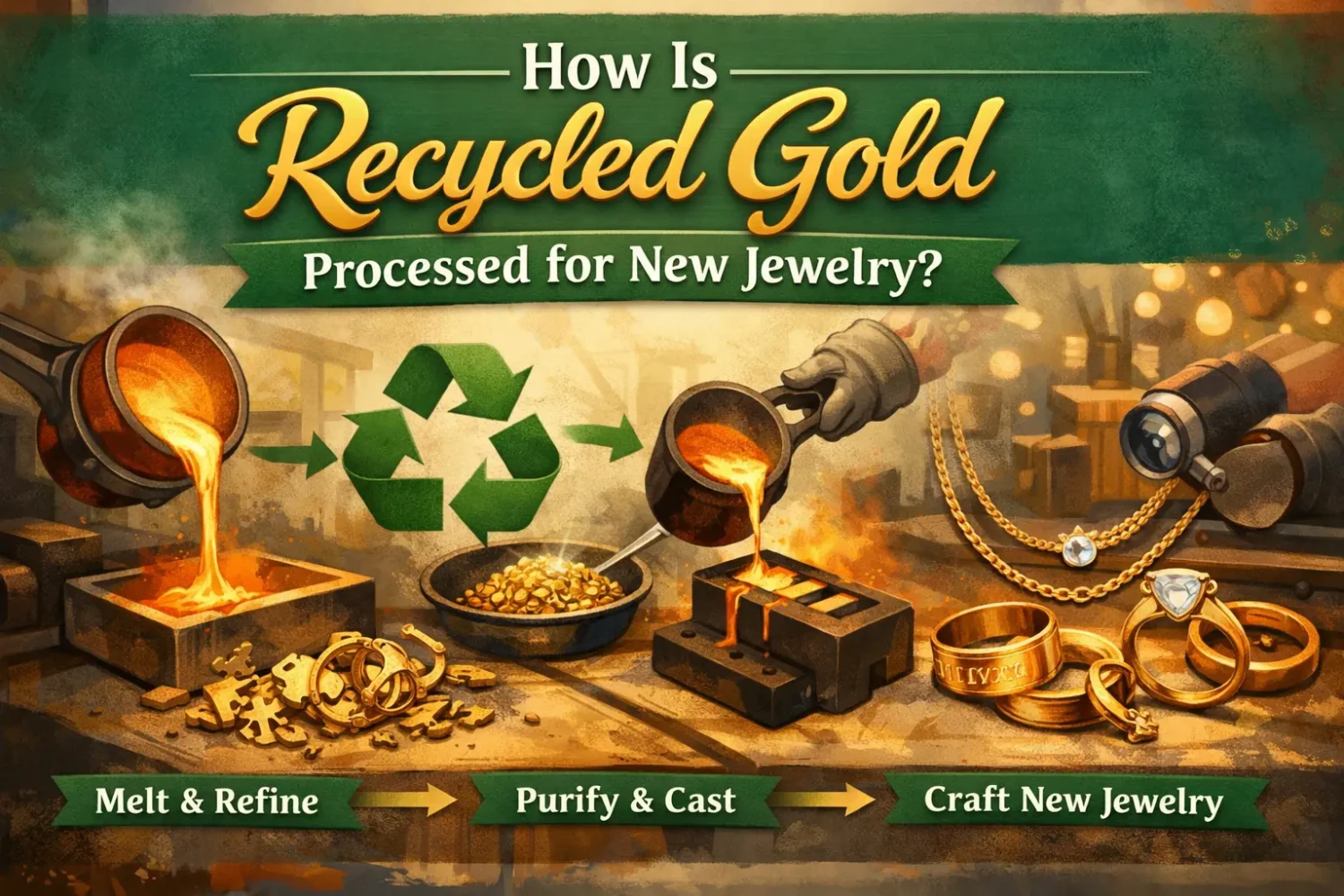
How Is Recycled Gold Processed for New Jewelry?

why do wedding rings go on left hand
Related products

14K Yellow Gold pave Diamonds Band Ring Jewelry Bands Rings Manufacturer

925 Silver Natural Silver RH Band Ring Jewelry Bands Rings Manufacturer

14K Yellow Gold Malachite Engraved Ring Jewelry Manufacturer

14K Yellow Gold Men's Ring Jewelry Manufacturer
925 Silver Gold Plated Men's Ring Jewelry Manufacturer


Private Lable 14K Yellow Gold Plated Pave Diamond & Rose Cut Ddiamond Ring Jewelry

Wholesale 925 Silver Yellow Gold Moissanite Round Ring Jewelry
Wholesale 14K Gold Moissanite Diamond Round Ring Jewelry

14K Gold Turkish Turquoise 5 Row Band Ring – Gemstone Link Cigar Band

Wholesale 14K Yellow Gold Moissanite Turquoise Enamel Band Ring

14K yellow Gold Yellow Sapphire Ring Jewelry Supplier

14K Yellow Gold Diamond Black CZ Band Connector Ring

14K Yellow Gold Malachite Red White CZ Ring Custom Jewelry

14k Rose Gold Malachite And Lapiz Lazuli White CZ Ring Manufacturer

Private Label 14K Yellow Gold Moonstone CZ & Blue CZ Ring

Wholesale 9K Rose Gold Cubic Zircon Connected Ring Jewelry

Wholesale 925 Silver Yellow Gold Plated Cubic Zircon Connected Ring Jewelry
Private Label 925 Sterling Silver Yellow Gold Plated Moonstone CZ & Blue CZ Ring
Contact Us For Custom Jewelry
Please get in touch with us and share your ideas if you have personalized jewelry or are searching for a private label jewelry manufacturer. In accordance with your suggestions, we will make and present genuine jewelry.
Drop Us a Line
Scan QR Code
for immediate contact



Contacts
-
Address
FF-206, Kishanpole Bazar, Jaipur, Rajasthan
-
Phone / WhatsApp
+91 9216779317
-
Email
My Account
Subscribe to our newsletter for regular updates about Offers, Coupons & more
-
Address
FF-206, Kishanpole Bazar, Jaipur, Rajasthan
-
Phone
+91 9216779317
-
Email
-
For Order Related Query
Please get in touch with the above mentioned number on whatsapp only
-
Opening Hours
Monday to Sunday | 10:00 AM to 7:00 PM