

why do wedding rings go on left hand
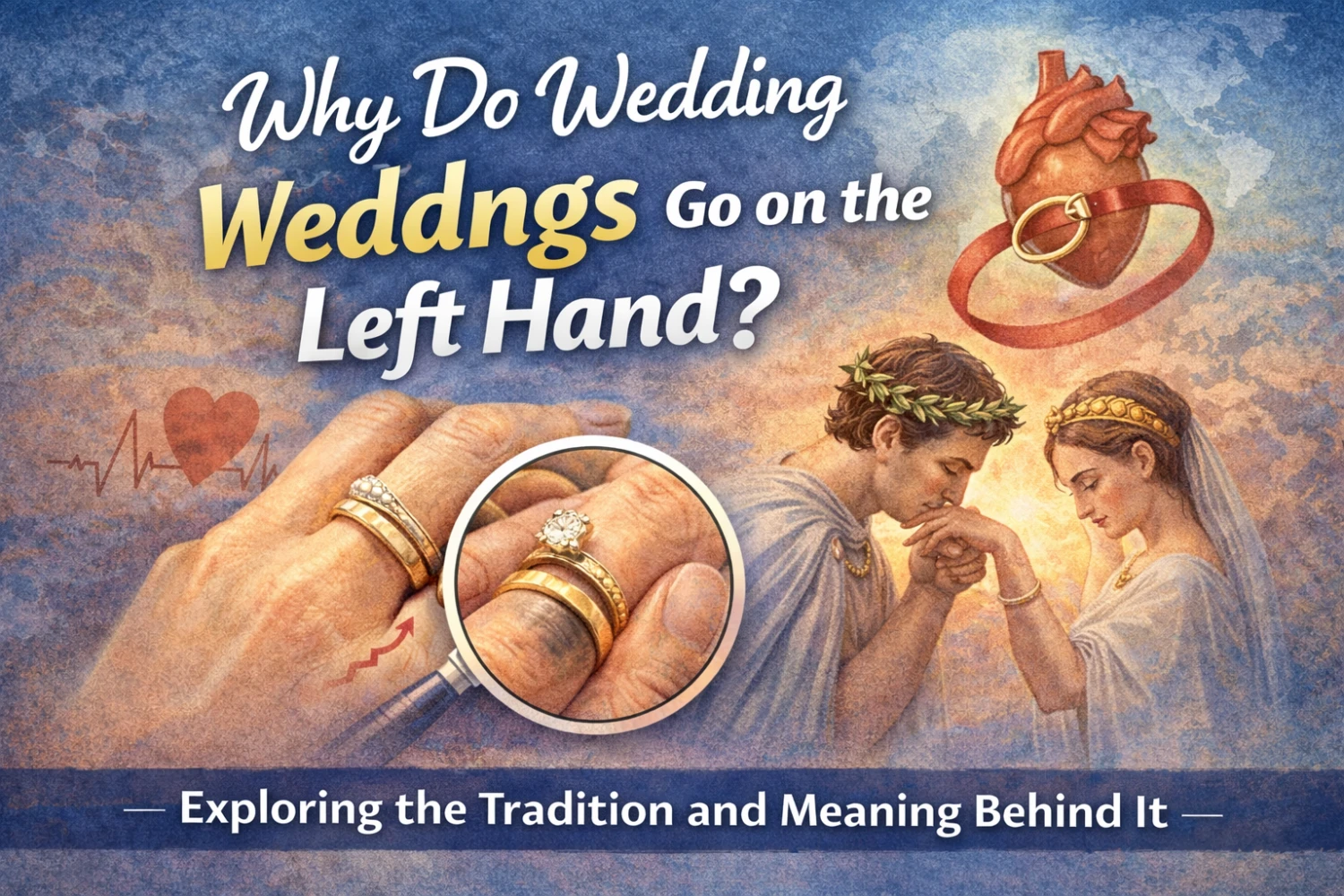
The Left Hand Tradition and the Modern Reality of Wedding Rings
Couples often sit in our workshop at Suren Jewels with a mix of excitement and mild anxiety. They have picked out the perfect stones and finalized the metal weight but then a simple question brings everything to a halt. They ask which hand the ring should actually go on and if they are breaking a sacred rule if they choose the right side. Most people believe the left hand is a global requirement. They think it is an ancient law that cannot be changed. In our experience working with thousands of clients across different cultures we have seen that the history is much more fluid than a Google search might suggest. The reason wedding rings go on the left hand in many Western cultures is a mix of romantic myths and very practical survival for the jewelry itself.
Choosing the left hand is not just about following a trend. It involves understanding how your daily life impacts the physical condition of the ring. Most people are right handed. This means the right hand does the heavy lifting. It opens doors and carries bags and grips steering wheels. If you put a high karat gold ring on your dominant hand it will face constant friction and impact. We often explain to our clients that the left hand became the standard partly because it acts as a natural shield. It keeps the precious metal away from the harshest daily tasks. This preserves the polish and the structural integrity of the prongs.
The Myth of the Vena Amoris
The most common story you will hear involves the Vena Amoris or the vein of love. Ancient Romans believed a specific vein ran directly from the fourth finger of the left hand straight to the heart. This is a beautiful sentiment that sells many rings but it is biologically inaccurate. All fingers have similar venous structures and none of them run directly to the heart in that specific way. Despite the lack of medical truth the idea stuck. It created a powerful emotional connection to the left hand. People wanted their symbol of commitment to be physically linked to the organ that represents love.
We find that even when modern buyers know the science is wrong they still prefer the left hand for this reason. It feels more intentional. At Suren Jewels we focus on the emotional weight of a piece just as much as the technical specs. If a client feels that the left hand represents a direct line to their partner then that is the right hand for them. The myth has become a reality through centuries of belief. It transformed a simple anatomical misunderstanding into a global tradition.
Why the Fourth Finger Specifically
You might wonder why the middle finger or the index finger was not chosen. The fourth finger is arguably the most protected finger on the hand. It is tucked between the middle finger and the pinky. It does not move with the same independence as the pointer finger or the thumb. This lack of independence makes it the safest place to house a valuable gemstone. When you grip an object the pressure is usually distributed across the palm and the first three fingers. The fourth finger sits in a relatively low impact zone.
During our design consultations we look at the lifestyle of the wearer. If a client is a surgeon or an athlete they might worry about the ring getting in the way. The fourth finger on the left hand offers the least interference with grip and dexterity. It is a design choice that has stood the test of time because it works. It balances visibility with safety. You can show off the sparkle of a well cut diamond without constantly banging it against every surface you touch.
When the Right Hand is the Traditional Choice
It is a mistake to think the left hand is the only option. Many of our international clients at Suren Jewels come from traditions where the right hand is the standard. In countries like Germany and Austria and Norway the wedding band is traditionally worn on the right. This often stems from older social cues where the right hand was seen as the hand of power and oaths. Even in parts of India the right hand is preferred because the left hand is traditionally considered less clean for ritual purposes.
We recently worked with a couple where one partner was from Spain and the other from the United States. They were genuinely confused about which tradition to follow. In Spain the right hand is common for wedding bands. We advised them to look at their daily habits rather than just the map. If you move to a country where everyone wears the ring on the left you might get tired of people asking if you are still single. Conversely if you want to honor your heritage you should wear it on the right with confidence. There is no wrong hand in the eyes of a jeweler as long as the ring fits correctly.
The Practical Science of Ring Sizing
One thing competitors rarely mention is that your left and right hands are not the same size. This is a critical point that we emphasize at Suren Jewels. Most people have a dominant hand that is roughly a half size or even a full size larger than their non dominant hand. This happens because the muscles and bone structure in your dominant hand are more developed from constant use. If you get measured for a left hand ring and then decide to wear it on your right hand it will likely be too tight.
We always tell our clients to decide on the hand before we take the final measurement. If you switch hands later you might find yourself needing a resize. Frequent resizing can weaken the band over decades. It is better to commit to a side early in the process. We also consider the weather and the time of day. Your fingers swell in the heat and shrink in the cold. A ring on your non dominant left hand usually stays more consistent in size throughout the day compared to the active right hand.
Metal Durability and Hand Choice
The choice of hand dictates what metal we recommend. If a client insists on wearing their wedding ring on their dominant right hand we suggest more durable options. 18k gold is beautiful and rich in color but it is softer than 14k gold. On a dominant hand 18k gold will show scratches much faster. It might even warp over several years if the wearer is very active. At Suren Jewels we often steer right handed users toward 14k gold or platinum for their wedding bands.
Platinum is a great choice for the active hand because it does not lose metal when it is scratched. The metal just shifts. This is called a patina. Gold on the other hand actually loses microscopic amounts of material over time when it rubs against hard surfaces. If you are wearing your ring on your left hand and you are right handed you have more freedom to choose softer metals or more intricate designs with thin bands. The left hand provides a safer environment for delicate craftsmanship.
The Influence of the 1549 Prayer Book
History buffs often point to the English Book of Common Prayer from 1549 as a turning point for the left hand tradition. Before this the wedding ring often moved between fingers during the ceremony. The groom would place it on the thumb and then the index and then the middle finger while reciting religious phrases. Finally it would land on the fourth finger of the left hand. This was meant to signify that the ring had found its permanent home after traveling through the hand.
This religious decree solidified the practice in the English speaking world. It moved the ring from a temporary symbol to a permanent fixture of the left hand. We see the remnants of this today in how formal wedding ceremonies are structured. The left hand became a symbol of a finished journey. It represents the finality of the marriage contract. At Suren Jewels we appreciate the weight of this history even as we help clients create modern designs that break from the past.
Left Handed Brides and Grooms
What happens if you are left handed? This is a question we hear at least once a week. If you are left handed your left hand is your dominant hand. This means the traditional left hand placement actually puts your ring at a higher risk of damage. You are more likely to hit it against a desk or catch it on a door handle. Some left handed clients choose to flip the tradition and wear their ring on the right hand to protect the jewelry.
Others stick to the left hand because they want to conform to social expectations but they choose a lower profile setting. A low profile setting keeps the diamond or gemstone closer to the finger. It reduces the chance of snagging. We often recommend a bezel setting or a flush mount for left handed clients who want to stay traditional. These settings offer maximum protection for the stone while allowing the wearer to follow the left hand custom. It is about finding a balance between tradition and the reality of your anatomy.
Breaking the Rules with Stacking
The modern trend of ring stacking has changed how people view the left hand. It is no longer just about one simple band. Many women now wear their engagement ring and wedding band along with anniversary bands on the same finger. This creates a thick stack of metal. This can be uncomfortable on the dominant hand because it limits how well you can close your fist. The left hand usually has more room for these elaborate displays.
We help our clients design stacks that fit together like a puzzle. If you wear multiple rings on the left hand you need to ensure they are the same metal purity. If you put a 14k gold band next to an 18k gold band the harder 14k metal will slowly eat away at the softer 18k metal. This is a technical detail that many people miss. We make sure all the rings in a stack are calibrated to live together on that left hand for a lifetime.
Cultural Shifts and Gender
The history of men wearing wedding rings on the left hand is actually quite short. It did not become common in the West until World War II. Soldiers wore rings on their left hands to remember their wives back home while they were on the front lines. Before this wedding rings were largely seen as something for women. This shift shows that traditions are not as old or as rigid as we think. They change based on social needs and global events.
In our workshop we see men becoming much more involved in the design process. They often care deeply about the comfort of the left hand fit. Since men typically have larger knuckles we often use a comfort fit inside the band. This involves a slightly domed interior that allows the ring to slide over the knuckle more easily while staying secure on the base of the finger. The left hand is still the go to for most men we serve but we are seeing a rise in right hand wearers among those in the tech and medical fields.
Why Some Professionals Switch Hands
We have many clients who are chefs or mechanics or healthcare workers. They often find that wearing a ring on the left hand is a safety hazard at work. In some cases they switch the ring to the right hand during their off hours or wear it on a chain around their neck. However the tradition of the left hand is so strong that they often feel a sense of loss when they cannot wear it there.
For these professionals we suggest a simple metal band for work and a more ornate ring for social occasions. The left hand remains the place for the forever ring while the right hand or a different finger might hold a more practical version. This flexibility is something we encourage at Suren Jewels. Your jewelry should serve your life and not the other way around. If the left hand does not work for your career it is okay to change the placement.
Sourcing and Craftsmanship for Longevity
Regardless of which hand you choose the quality of the build is what matters most. We focus on ethical sourcing and precision casting to ensure that the ring can handle the natural oils and movements of the hand. The skin on your fingers produces sweat and oils that can react with lower quality alloys. This is why we use high grade gold and silver alloys that are hypoallergenic.
When a ring sits on your left hand it is in constant contact with your skin for decades. If the metal contains too much nickel it can cause a reaction over time. We take pride in our metal blends because we know these rings are meant to be permanent. We don't just look at the aesthetic of the ring on the hand. We look at the long term chemistry between the metal and the wearer. A ring on the left hand should feel like a part of your body and not an irritant.
The Future of the Wedding Ring Finger
We are seeing a move toward more personal expression in jewelry. Some couples are choosing to wear rings on their index fingers or even as pinky rings. While the left hand remains the dominant choice the reasons are shifting from religious or mythical to purely personal. People like the way a ring looks on the left hand. It has become a visual shorthand for being in a committed relationship.
When you walk into a room and someone sees a ring on your left hand they immediately understand your status without a word being said. This social clarity is the real reason the tradition persists. It is a universal language. At Suren Jewels we respect that language but we also love it when clients add their own dialect. Whether it is a unique stone or a custom engraving the hand it sits on is just the beginning of the story.
Making the Final Decision
If you are struggling to decide which hand is right for you start by looking at your jewelry box. Which hand do you usually wear rings on? If you are used to the feel of a ring on your right hand moving to the left might feel distracting for a few weeks. If you never wear rings the left hand is usually the easiest place to start because it stays out of the way.
Consider your career and your hobbies. If you play guitar or tennis your dominant hand is under a lot of stress. The left hand is likely the safer bet. If you have a cultural reason to choose the right hand then do so with pride. The most important thing is that the ring is comfortable and reflects your partnership. We believe that the meaning behind the ring is far more important than the anatomy of the hand it rests on.
The left hand tradition is a mix of beautiful fiction and very real practical benefits. It protects your investment and follows a historical path that has been walked by millions. At Suren Jewels we are here to make sure that whichever hand you choose the ring is built to last as long as the promise it represents. A well made ring on the left hand is more than just a tradition. It is a piece of engineering and art that stays with you through every stage of life.
When you are ready to choose your metal or find the perfect fit, remember that the rules are there to guide you but they do not define you. Your ring should be as unique as your relationship. We take the time to understand your lifestyle and your preferences so that the final piece feels exactly right. Whether it sits on the left or the right it is a symbol of a future built together. We are honored to be a part of that journey by providing the craftsmanship and expertise that Suren Jewels is known for.
Recent Posts
Gold Chain Manufacturers You Can Trust Suren Jewels

9K Gold Jewelry Manufacturer for US Brands


How Is Recycled Gold Processed for New Jewelry?
why do wedding rings go on left hand
Related products

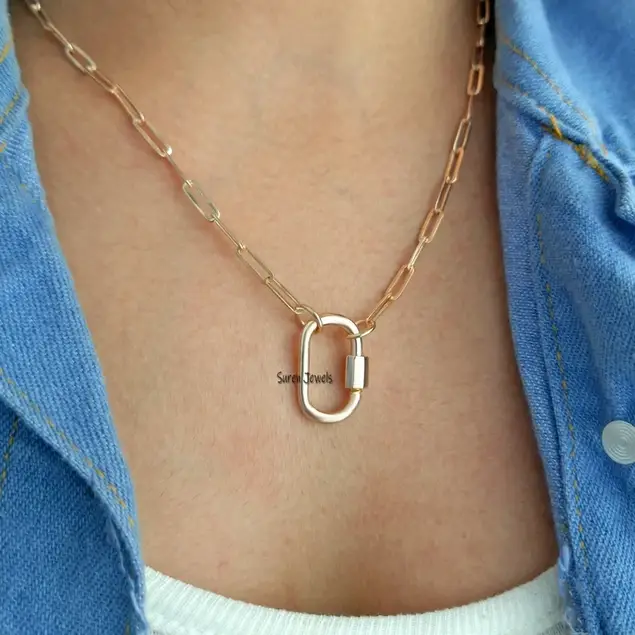
9k Gold Carabiner Necklace – Solid Gold Paperclip Carabiner Lock
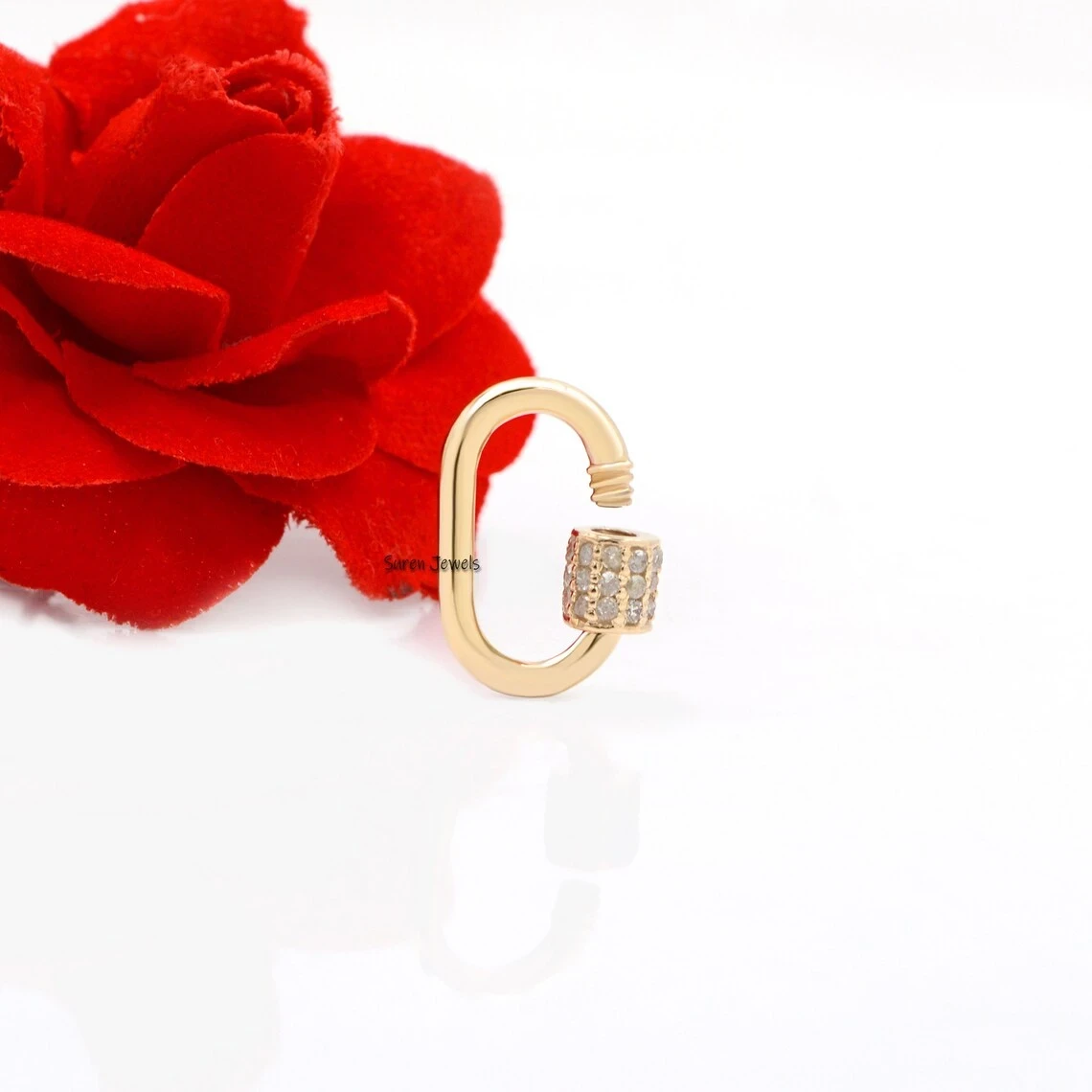
14K Gold Two-Tone Diamond Carabiner Lock – Elegant & Secure

14K & 9K Gold Carabiner Lock – 16MM Yellow Gold Connector Pendant

Private Label 14K Yellow Gold Dog Bone Carabiner Lock Connector Jewelry
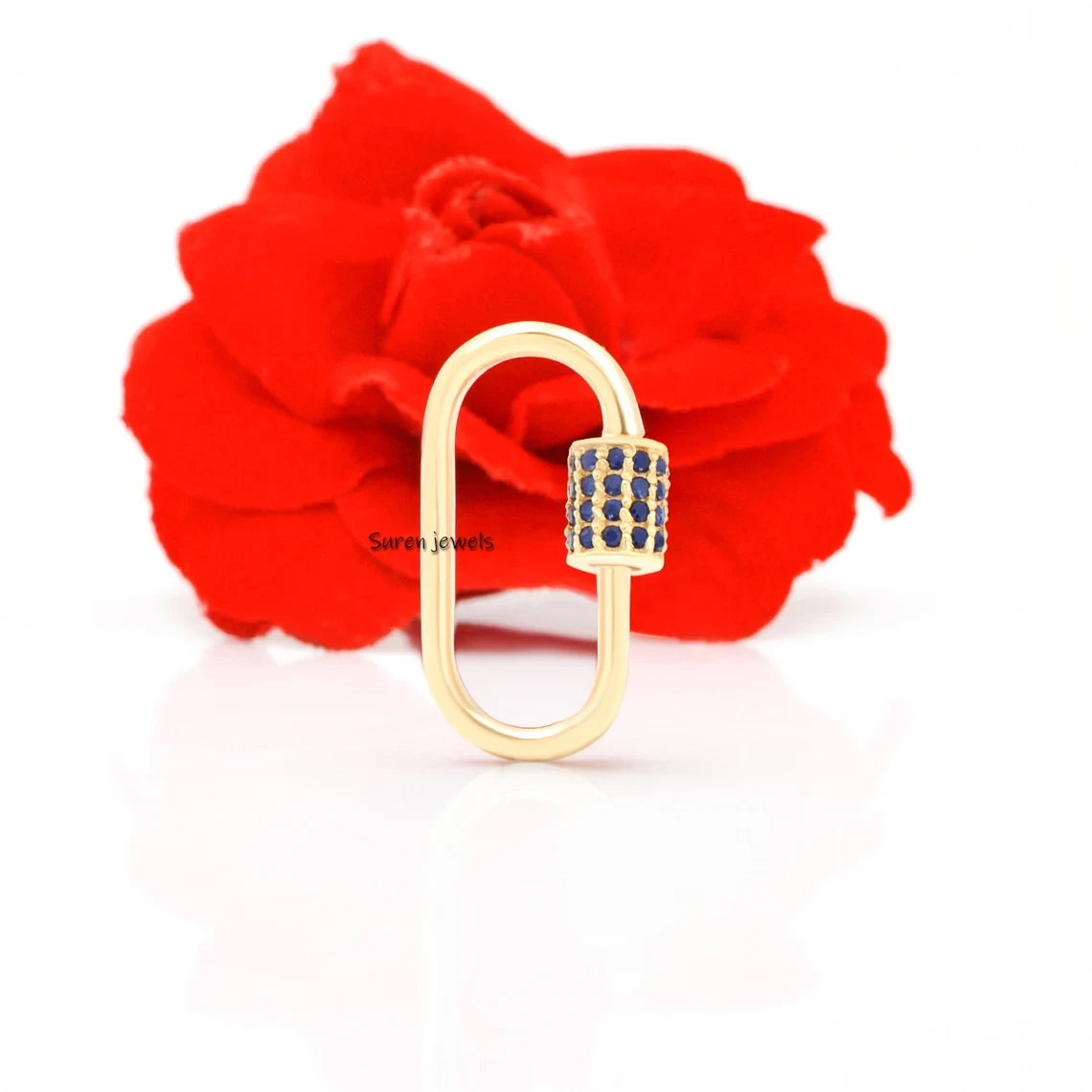
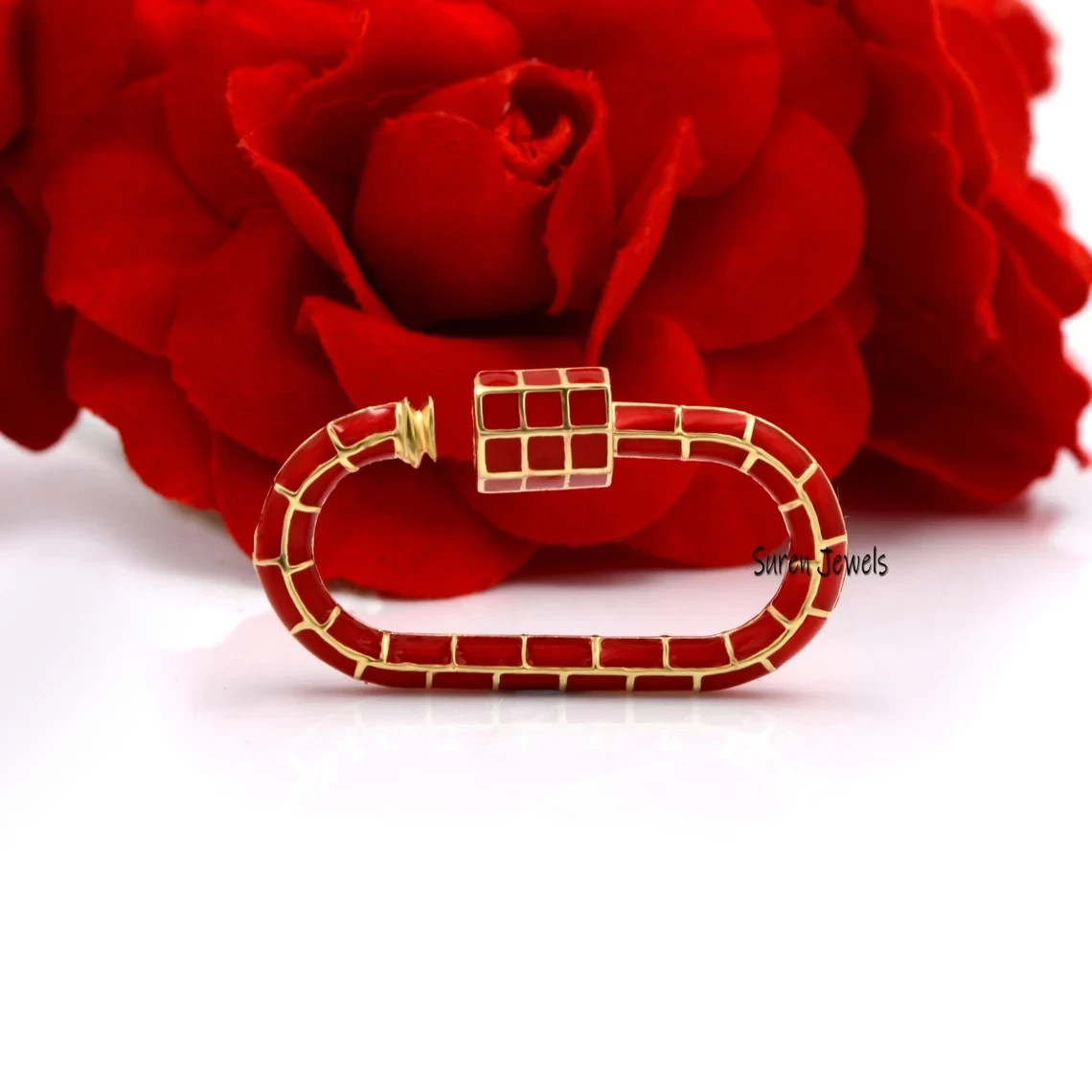
14K Solid Gold Enamel Carabiner Lock – Designer Gemstone Carabiner Jewelry
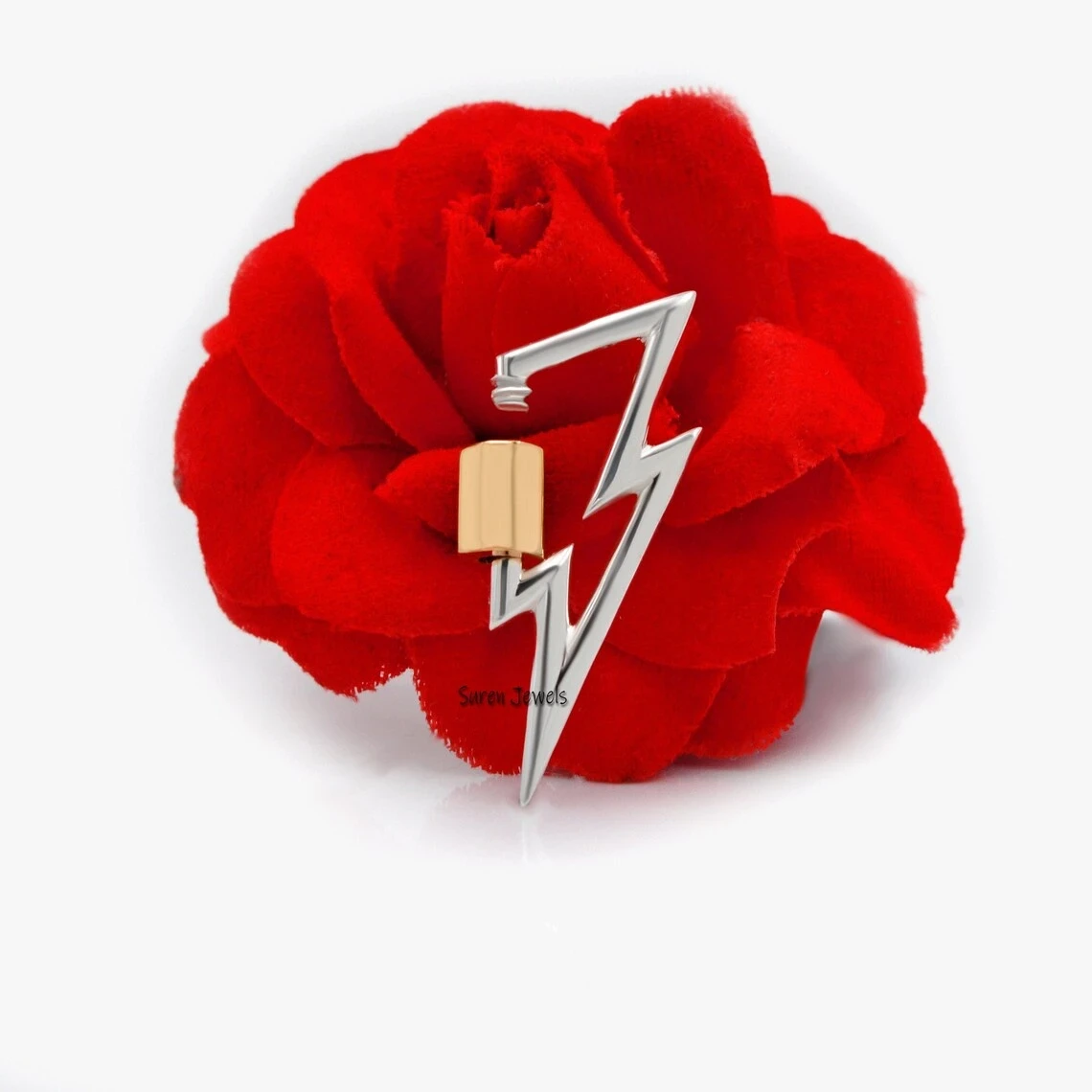
14K Gold & Silver Two-Tone Lightning Bolt Carabiner Clasp – Screw Lock Charm

Private Label 14K Solid Rose Gold Pave Diamond Carabiner Baby Findings Lock

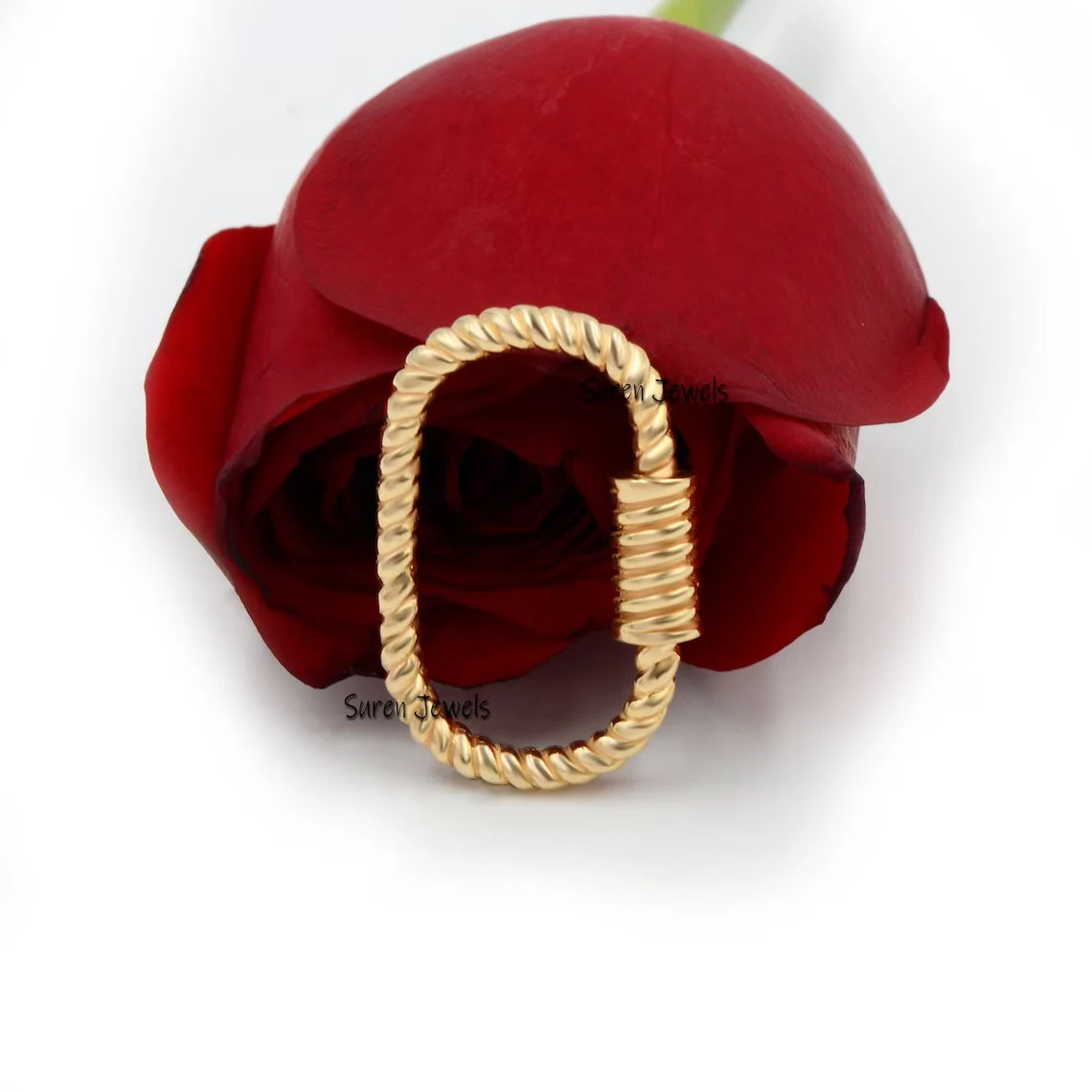
14K Gold Carabiner Lock Pendant – Solid Twisted Gold Carabiner for Wholesale

14K Yellow Gold Twisted Wire Carabiner Lock Manufacturer
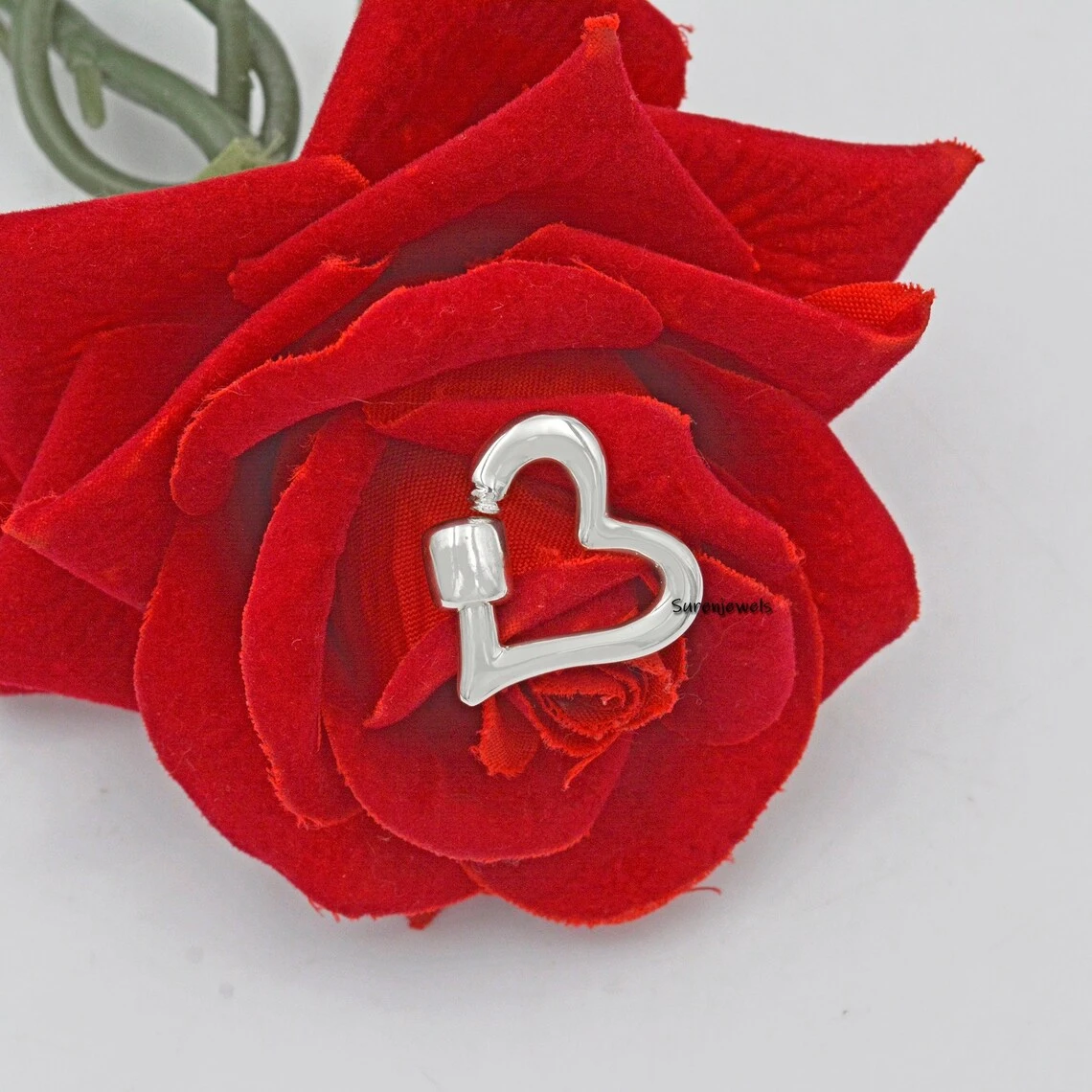
14K Gold Heart Carabiner Lock – Solid Gold Heart Pendant for Necklaces & Charm Holders

Wholesale 14K Yellow Gold Clicker Link Carabiner Lock Jewelry

925 Silver Twisted Wire Carabiner Lock Manufacturer
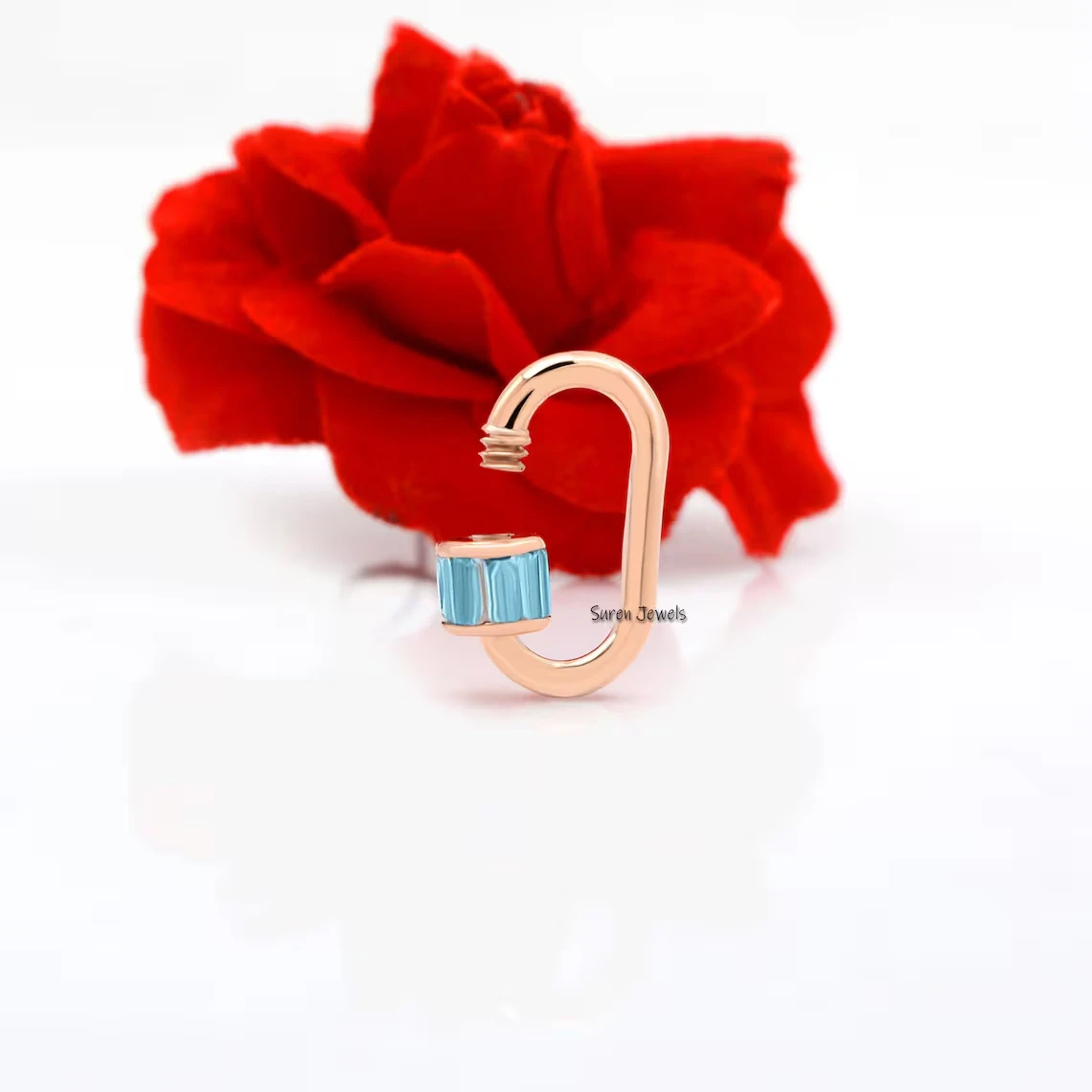
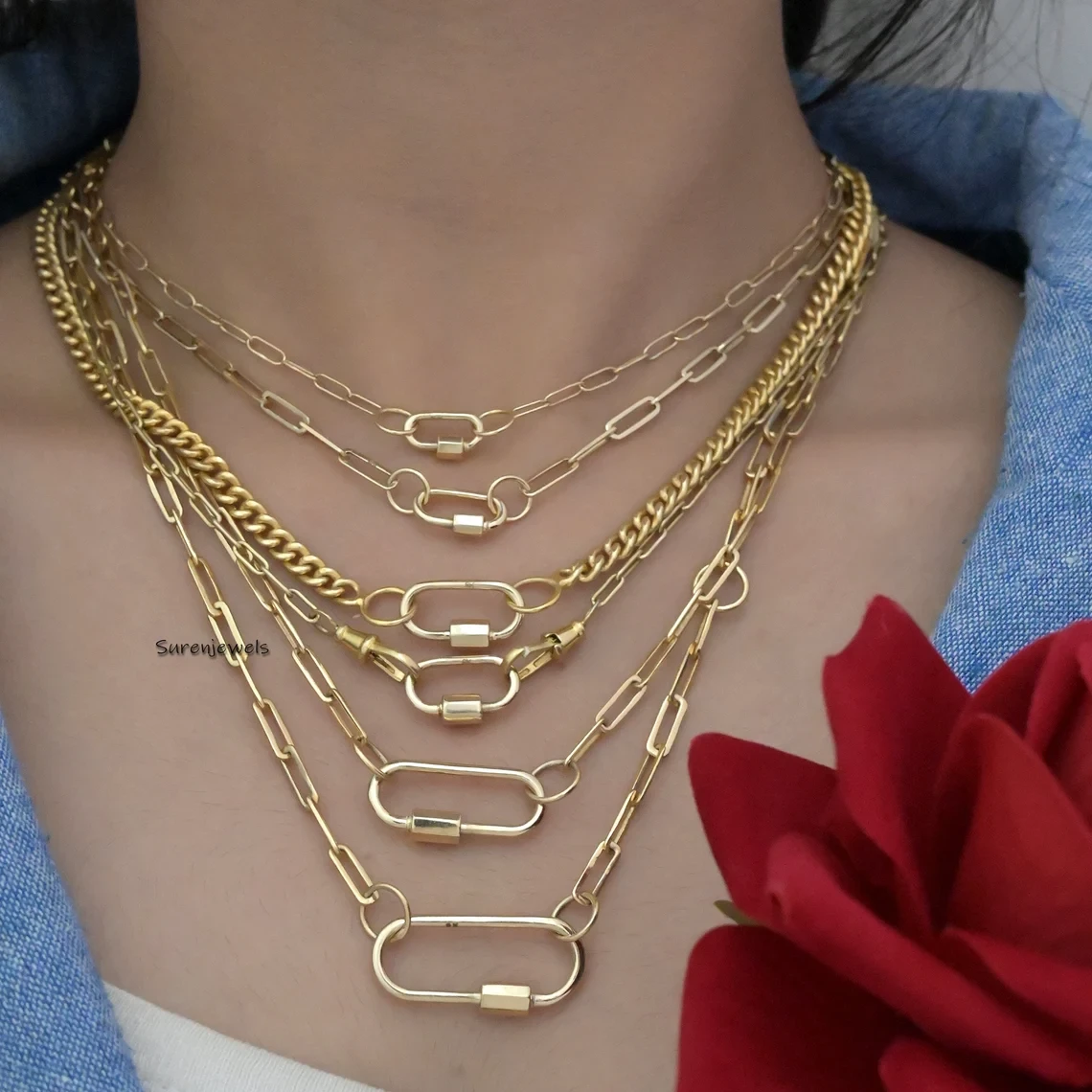
14K Gold Carabiner Lock – Secure & Stylish Gold Carabiner Lock Charm
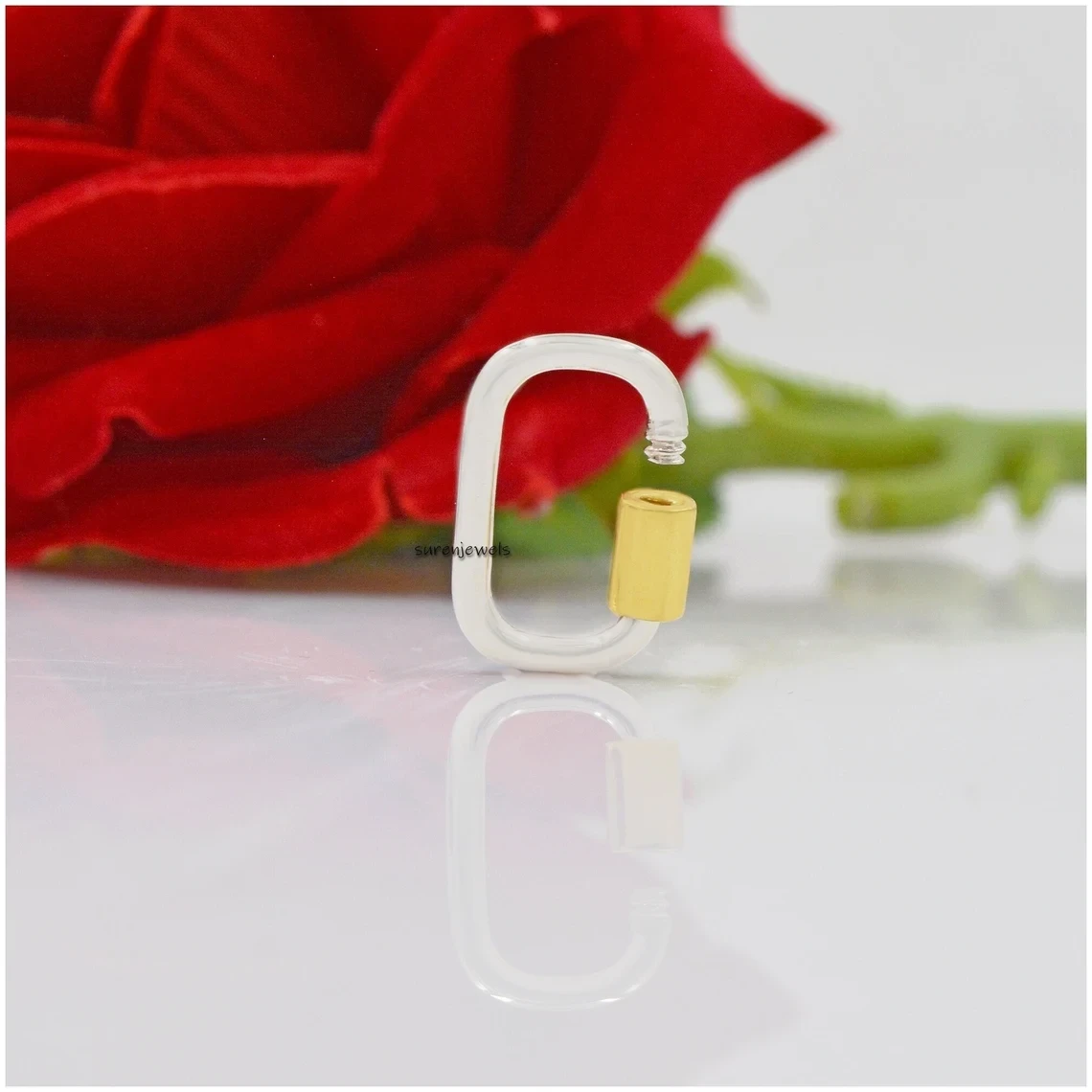
9K Gold Screw Carabiner Lock – Plain Square Jewelry Connector for Charms & Necklaces
Contact Us For Custom Jewelry
Please get in touch with us and share your ideas if you have personalized jewelry or are searching for a private label jewelry manufacturer. In accordance with your suggestions, we will make and present genuine jewelry.
Drop Us a Line
Scan QR Code
for immediate contact



Contacts
-
Address
FF-206, Kishanpole Bazar, Jaipur, Rajasthan
-
Phone / WhatsApp
+91 9216779317
-
Email
My Account
Subscribe to our newsletter for regular updates about Offers, Coupons & more
-
Address
FF-206, Kishanpole Bazar, Jaipur, Rajasthan
-
Phone
+91 9216779317
-
Email
-
For Order Related Query
Please get in touch with the above mentioned number on whatsapp only
-
Opening Hours
Monday to Sunday | 10:00 AM to 7:00 PM