

Why Do My Rings Turn My Fingers Black? The Complete Guide by Suren Jewels
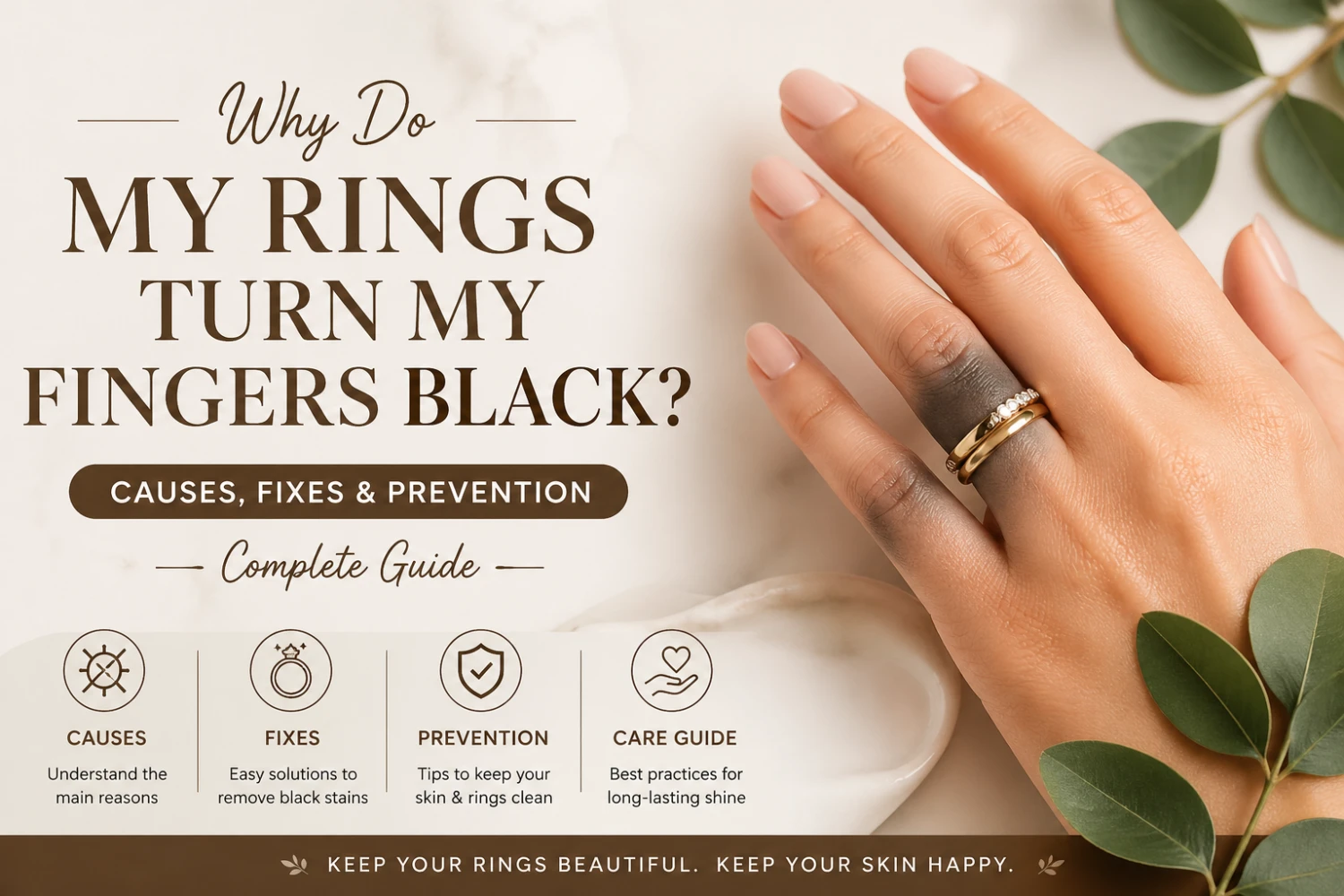
Why Do My Rings Turn My Fingers Black? The Complete Guide by Suren Jewels
You look down at your hand and there it is a dark, smudgy, almost black shadow sitting right where your ring has been resting. It could have appeared after just a few days with a brand-new piece, or crept up gradually after years of faithful wear. Either way, your first instinct is the same as everyone else's: "Is my ring fake?"
Here is the honest, expert answer: in the vast majority of cases, a ring turning your finger black has absolutely nothing to do with quality or authenticity. A genuine, certified 14K gold ring purchased from a reputable jeweller can and does cause this reaction precisely because of how it is made. And the good news is, once you understand why it happens, fixing it is almost always straightforward.
At Suren Jewels, this is one of the most frequent questions we receive from our customers. We have helped thousands of people navigate this concern, and we want to give you the most thorough, honest, and science-backed answer you will find anywhere online. This guide covers every single cause, every metal type, every common myth, and every proven solution so by the time you finish reading, you will know exactly what is happening and exactly what to do about it.
First, Let's Clear Up the Biggest Myths
Before getting into the science, let's knock down the misconceptions circulating online and causing unnecessary panic.
Myth 1: "My Ring Must Be Fake"
This is the number one assumption, and it is almost always wrong. Real, genuine gold including 14K and 18K can and does cause skin discolouration under the right conditions. In fact, a lower-karat gold ring (which contains a higher percentage of alloy metals) is more likely to leave black marks than a higher-karat piece, precisely because there is more reactive metal in it. So if anything, experiencing this reaction is a sign that you have genuine alloyed gold jewellery, not fake.
Myth 2: "It Means I Have an Iron Deficiency or Anaemia"
This claim went viral on TikTok and has been shared millions of times and it is entirely false. There is zero scientific evidence that a ring turning your finger black indicates anaemia, low iron, or any other blood condition. Medical professionals have been clear on this point: the only reliable way to test for iron deficiency is a blood test and ferritin test, not a jewellery reaction. If you are genuinely concerned about anaemia, please see your doctor. Do not use your ring as a diagnostic tool.
Myth 3: "It Is Dirt Getting Into My Skin"
The black smudge wipes away easily with soap and water, which tells you it is sitting on the surface of your skin not embedded in it. What you are seeing is either tiny metallic particles or oxidised chemical compounds resting on the top layer of your skin. Nothing is getting into your bloodstream or penetrating your pores.
Myth 4: "I Must Have a Metal Allergy"
A true metal allergy produces distinct symptoms: itching, burning, a spreading rash, blistering, or persistent redness. A black smudge that wipes off cleanly and causes no irritation is not an allergy it is a chemical or physical reaction. These are very different things, and we will cover both fully later in this guide.
The Science: What Is Actually Happening on Your Finger?
To understand why rings turn fingers black, you first need to grasp one fundamental fact about jewellery metals.
Pure precious metals, on their own, rarely stain skin
Pure gold (24K) is chemically stable and does not react with skin under normal conditions. Platinum barely reacts at all. The problem begins when you introduce alloys.
Why Jewellery Is Never Made From 100% Pure Metal?
Pure gold is extraordinarily soft. In its natural state you could scratch it with a fingernail. Pure silver is similarly malleable. These metals cannot withstand the daily mechanical stress of being worn as rings they would bend, dent, and deform within days. To create jewellery that lasts, jewellers mix primary precious metals with harder secondary metals, creating what is known as an alloy. The secondary metals used typically include copper, silver, zinc, nickel, and palladium, depending on the type and colour of the finished piece. These alloy metals are where all the trouble begins.
Two Distinct Reactions Cause Ring Discolouration
Two separate physical processes cause a ring to leave dark marks on your skin, and it is important to understand both:
Process 1 : Metallic Abrasion (Produces Black or Grey Marks)
This occurs when tiny particles of metal physically rub off the surface of your ring and deposit onto your skin. Gold is a relatively soft metal, and when abrasive substances are present on your hands mineral sunscreen, powder makeup, foundation, fine dust they act like microscopic sandpaper against the ring's surface, scraping off infinitesimally small flakes of metal. Here is the key insight: at microscopic scale, metal particles appear black or dark grey rather than shiny and metallic. When these particles land on the absorbent surface of your skin, they stick and form what looks like a black smudge or dark dust. This type of mark wipes away cleanly because it is simply resting on the skin's surface.
Process 2 : Chemical Oxidation and Corrosion (Produces Black or Green Marks)
This is a chemical reaction between the alloy metals in your ring and substances on or around your skin. Copper alloys : common in gold rings : react with the acids in your sweat to form copper salts, which appear green or black. Silver alloys react with sulfur compounds found in sweat, certain foods, beauty products, and even the air itself, forming silver sulfide : a compound that is distinctly black in colour. When these compounds transfer from the ring surface to your skin, you get the classic black or green stain. Understanding which of these two processes you are experiencing helps you choose the most effective solution.
Which Rings Cause Discolouration And Why?
Not all rings are equally prone to staining your skin. The type of metal, its composition, and its finish all play significant roles.
Gold Rings
The gold karat rating tells you exactly how much of the ring is pure gold versus alloy metal. The lower the karat, the more alloy metals are present and the greater the likelihood of discolouration.
14K gold is the most popular choice for fine jewellery in most markets because it balances durability with gold content beautifully, with 41.7% of the ring composed of alloy metals, it carries a moderate risk of causing discolouration depending on your body chemistry and lifestyle habits. 10K and 9K gold, common in more affordable fine jewellery, have even higher alloy content and a correspondingly higher likelihood of leaving marks.
Rose Gold Rings
Rose gold is beloved for its warm, romantic, pinkish hue but that colour comes at a cost in terms of skin reactivity. Rose gold achieves its characteristic tone through a higher copper content in its alloy mixture. Copper is one of the most reactive alloy metals when it comes to skin staining; it produces the classic greenish-black oxidation that many ring wearers experience. If you already experience discolouration from yellow gold, rose gold of the same karat is likely to produce more frequent or more intense marks due to its copper-rich composition. This does not make rose gold a poor choice it is simply something to be aware of and plan for.
White Gold Rings
White gold is yellow gold alloyed with white metals such as palladium or nickel, then finished with a coating of rhodium a platinum-group metal that delivers its signature bright, silvery-white appearance. This rhodium plating acts as a protective barrier between the reactive alloy metals inside the ring and your skin. When the plating is intact, white gold is one of the least likely ring types to cause discolouration. However, rhodium plating wears away through friction over time, typically over one to three years of daily wear. Once it thins or wears through, the reactive alloys beneath are exposed and discolouration can begin. Having the plating renewed every year or two maintains the protection.
Silver Rings
Sterling silver, the most common form used in jewellery, is 92.5% pure silver and 7.5% copper. Silver has a well-known tendency to tarnish and that tarnish is almost invariably dark brown or black. The process is chemical: silver reacts readily with sulfur compounds. Sulfur is present in the air (especially in urban and coastal environments), in certain foods such as eggs, onions, and garlic, and in many beauty products. When silver meets sulfur, it forms silver sulfide, which is black. This is why your silver ring might look pristine on the outside but leave black marks on your finger the silver sulfide forms on the inner surface where the ring meets your skin and transfers with movement. Fine silver (99.9% pure) tarnishes more slowly due to its lower copper content, but it is too soft for most practical ring applications and therefore uncommon.
Platinum Rings
Platinum is the gold standard when it comes to skin-neutral jewellery. Used in fine jewellery, platinum is typically 85–95% pure, alloyed only with other platinum-group metals such as palladium, iridium, or ruthenium all of which are chemically inert and do not react meaningfully with sweat, skin acids, or environmental compounds. Discolouration from a platinum ring is genuinely rare. If you consistently experience skin staining from rings and want a long-term, definitive solution, platinum is the most reliable option available.
Titanium and Tungsten Rings
Both titanium and tungsten carbide are highly biocompatible metals that resist corrosion and react minimally with skin chemistry. They are extremely unlikely to cause discolouration and are excellent options for people with consistently reactive skin or confirmed metal sensitivities.
Fashion and Costume Jewellery
Fashion rings typically those priced under £30–50 are usually made from base metals such as brass, copper, or zinc, coated with a thin layer of gold or silver plating. This plating wears away quickly, often within weeks or months of regular wear, exposing the highly reactive base metals beneath. When this happens, the discolouration you experience can be dramatic: deep green from copper oxidation, or intense black from zinc compounds. This is not dangerous, but it is a sign that the ring has reached the end of its usable life and should be replaced. It is also worth noting that some fashion jewellery contains nickel, which is a common allergen if you experience itching or rash from inexpensive rings, nickel is the likely culprit.
The 5 Root Causes of Ring Discolouration
Now that you understand the metals involved, let's examine the five categories of triggers that set these reactions in motion.
Cause 1: The Metal Composition of Your Ring
As outlined above, the alloy content of your ring is the foundational variable. The more reactive alloy metal present particularly copper and silver-based alloys the greater the potential for discolouration. This is not a manufacturing flaw; it is simply the chemistry of durable jewellery. You can work around it with good habits, or you can address it by choosing metals with lower reactivity.
Cause 2: Your Unique Body Chemistry
This is the factor that explains why two people can wear identical rings and experience completely different results. Your body chemistry is unique to you, and several biological variables affect how your skin interacts with ring metals.
Skin pH:
The surface of your skin has a natural pH that typically falls between 4.5 and 6.5 mildly acidic. However, skin pH varies significantly between individuals. A more acidic skin pH accelerates corrosion of alloy metals, increasing the likelihood and severity of discolouration. Your skin's pH can be influenced by diet, hydration, hygiene products, and even stress levels.
Sweat Composition:
Sweat is primarily water and salt, but it also contains fatty acids, ammonia, urea, and trace compounds. These constituents react with alloy metals particularly copper and silver-based alloys to produce the dark compounds that appear on your skin. People who sweat more heavily, or whose sweat has a higher acid or salt content, are more prone to ring discolouration. Dietary choices and physical activity levels directly affect sweat composition.
Hormonal Fluctuations:
This factor is rarely discussed but is genuinely significant. Hormones regulate many of the body's chemical processes, including the composition of sweat and skin secretions. Many wearers notice that ring discolouration fluctuates throughout the month in sync with hormonal cycles. Pregnancy, menopause, starting or stopping hormonal contraception, and hormonal health conditions can all shift body chemistry in ways that make rings more or less likely to cause marks. If you have worn a ring for years without issue and it suddenly begins staining your finger, ask yourself whether anything has changed hormonally or medically.
Medications:
Certain prescription and over-the-counter medications can alter sweat composition or skin pH. Iron supplements, antibiotics, and hormonal medications are among those reported by wearers to correlate with changes in ring discolouration. If you started a new medication and your ring's behaviour changed, this may be a contributing factor worth noting.
Diet:
A diet high in acidic foods (citrus, tomatoes, vinegar), sulfur-rich foods (eggs, onions, garlic, cruciferous vegetables), or heavily processed foods can shift your body chemistry in ways that promote faster reaction with ring metals.
Cause 3: External Chemicals
Your hands come into contact with dozens of chemical products each day, and many react with the alloy metals in your ring.
Cosmetics and Skincare Products:
Foundations, mineral powders, sunscreens (especially mineral sunscreens containing zinc oxide), lotions, creams, and serums all contain compounds that are harder than gold. As your hands move after application, these products physically abrade the ring surface, releasing tiny metal particles that appear black on skin. Additionally, chemical compounds in many skincare products particularly exfoliating acids such as AHAs and BHAs are corrosive to alloy metals and accelerate oxidation. One of the most practical changes you can make is to put your rings on last, after all skincare and cosmetics have been fully absorbed.
Cleaning Products and Detergents:
Household cleaners, dishwashing liquid, and laundry detergents often contain strong alkaline or acidic compounds, bleaching agents, and surfactants that corrode alloy metals aggressively. Wearing rings while cleaning can accelerate tarnishing significantly and in some cases can damage gemstone settings.
Chlorine:
Swimming pools and hot tubs treated with chlorine present one of the most corrosive environments for jewellery metals. Chlorine attacks gold alloys and structural ring components over time. Prolonged exposure to chlorinated water increases discolouration, dulls ring finishes, and can weaken the prong settings that hold gemstones. Always remove rings before swimming.
Perfumes and Body Sprays:
These contain alcohol and various chemical compounds that react with metal surfaces. Spraying perfume while wearing rings or allowing perfume to sit under a band is a common and often overlooked cause of accelerated tarnishing.
Cause 4: Environmental Factors
The environment you live and work in has more influence than most people realise.
Humidity:
High humidity means your skin retains more moisture, and moisture is a key catalyst for ring discolouration reactions. If you live in a tropical, subtropical, or coastal climate, or work in a warm, humid environment, you are more likely to experience this issue. Moisture gets trapped between your ring and finger, creating an ideal environment for corrosion.
Coastal and Ocean Air:
Salt is present in the atmosphere near coastlines, carried by sea spray and ocean winds. This airborne salt settles on skin and rings, combining with sweat and moisture to accelerate corrosion of alloy metals. If you live near the ocean or spend significant time at the beach, expect more rapid discolouration and tarnishing.
Urban Pollution:
Cities with higher levels of air pollution including sulfur dioxide emissions create more reactive atmospheres for silver-alloy jewellery. Silver reacts with sulfur compounds readily, and in polluted urban environments, silver sulfide formation on silver rings increases noticeably.
Heat:
Hot weather causes fingers to swell and rings to fit more tightly. A tighter ring traps more moisture and creates more friction between ring and skin both of which accelerate the reaction process.
Cause 5: Metallic Abrasion from Daily Activity
Beyond cosmetics, the friction of daily hand movements contributes to metallic abrasion. Activities that put consistent mechanical stress on your rings working with your hands, exercising, handling tools, frequent handwashing create microscopic wear on the ring surface. When combined with any abrasive substance on the skin, the particle shedding increases. Regularly cleaning and polishing your ring removes built-up residue and maintains the smoothness of the inner band, reducing abrasion against your skin.
How to Diagnose Your Specific Situation?
Before jumping to solutions, it helps to identify which type of reaction is occurring and what is likely triggering it. Here is a simple self-diagnostic process:
Step 1 : The Clean Test
Thoroughly clean your ring (instructions below) and wear it on completely clean, dry, product-free skin for a full day. If no marks appear, your issue is product-related. Focus on changing your application habits rings go on last, after all products have absorbed.
Step 2 : Observe the Pattern
Does discolouration appear mainly in hot weather or when you exercise? The primary cause is sweat and moisture focus on moisture management. Does it correlate with your hormonal cycle or a medication change? The cause is internal body chemistry consider a metal upgrade.
Step 3 : Note the Colour
Predominantly black marks are most often caused by silver sulfide (from silver alloys), metallic abrasion, or oxidised copper compounds. Predominantly green marks are almost always caused by copper salt formation from copper-rich alloys. A mix of both is very common with 14K yellow gold and rose gold.
Step 4 : Check the Fit
Is your ring very snug? A tightly fitting ring traps more moisture and creates more friction. Getting your ring professionally resized to allow slight movement can reduce contact and improve airflow, noticeably reducing staining. This is a simple and often overlooked solution.
How to Prevent Your Ring from Turning Your Finger Black 8 Proven Strategies?
Armed with the above understanding, here are the most effective prevention strategies, from simplest to most involved.
Strategy 1: Change the Order You Put Jewellery On
This single habit change makes a dramatic difference for many people. Put your rings on last after all cosmetics, lotions, sunscreens, and skincare are fully applied and absorbed. This removes the most abrasive and chemically reactive substances from the equation before the ring even contacts your skin. Reversing this order alone can eliminate the issue entirely for wearers whose primary trigger is product-based metallic abrasion.
Strategy 2: Remove Rings at the Right Moments
Develop the habit of removing your rings before: washing your hands, showering or bathing, swimming in pools, the sea, or hot tubs, applying skincare, makeup, perfume, or hair products, exercising or any activity involving significant sweating, and doing household cleaning or dishes. After each of these activities, wash your hands, let them dry completely, and then put your rings back on.
Strategy 3: Keep the Skin Under Your Ring Dry
Moisture trapped beneath a ring is the primary catalyst for almost all ring-related discolouration. After washing your hands, lift your ring and thoroughly dry the skin beneath it. In humid climates or during summer, use a finely milled, non-abrasive absorbent powder talc or arrowroot-based powders work well applied to your finger before wearing your ring. This absorbs sweat and reduces the moisture environment that promotes corrosion.
Strategy 4: Clean Your Ring Weekly
Built-up residue from lotions, soaps, sweat, and environmental particles significantly accelerates discolouration. Making ring cleaning a weekly habit removes this build-up before it accelerates corrosion. Full cleaning instructions by metal type are provided in the section below.
Strategy 5: Apply a Protective Barrier
A thin coat of clear nail polish applied only to the inner surface of the band creates a physical barrier between the alloy metals and your skin. This is an effective, inexpensive solution for occasional or mildly affected wearers. Do not allow the nail polish to touch any stones set in the ring. Reapply every two to four weeks as needed.
Strategy 6: Invest in Rhodium Plating
Having the inner band of your ring professionally rhodium plated creates a durable, skin-neutral barrier that eliminates contact between reactive alloy metals and your skin. This is one of the most effective long-term solutions available. The cost varies but typically ranges from £25 to £75 depending on ring size and band width. The plating will wear away over time typically one to two years with daily wear and will need periodic renewal. At Suren Jewels, we offer professional rhodium plating services and can advise on the best maintenance schedule for your piece.
Strategy 7: Upgrade Your Metal Karat
Switching from 14K to 18K gold reduces the alloy content from 41.7% to just 25%, significantly reducing the amount of reactive metal in contact with your skin. For wearers with persistent issues, this is often the most practical permanent solution short of switching to platinum. 22K gold reduces alloy content further to just 8.4%, though it is softer and better suited to lighter-wear jewellery.
Strategy 8: Choose Platinum, Titanium, or Tungsten
For those with consistently reactive body chemistry, or simply for permanent peace of mind, platinum is the definitive long-term solution. Platinum rings are overwhelmingly unlikely to cause skin discolouration. Titanium and tungsten carbide are also excellent alternatives highly corrosion-resistant and excellent for people with metal sensitivities.
How to Clean Your Ring Properly (By Metal Type)?
Regular cleaning is one of the most effective and underused strategies for preventing ring-related discolouration. Here are the correct methods for each major ring metal.
Cleaning Gold Rings (All Karats)
What you need:
A small bowl, warm water, a few drops of mild dish soap, and a very soft-bristled toothbrush.
Fill the bowl with warm (not hot) water and add a few drops of dish soap. Place your ring in the solution and allow it to soak for 20 to 30 minutes. Using the soft toothbrush, gently scrub the entire ring paying particular attention to the inner surface of the band where it contacts your skin, as this area accumulates the most reactive residue. Rinse thoroughly under warm running water, ensuring all soap is removed. Pat dry with a clean, soft cloth and allow to air dry fully before wearing or storing.
Repeat this process every one to two weeks for daily-worn rings.
Cleaning Silver Rings
For routine maintenance, the warm soapy water and soft toothbrush method above works well for silver. For heavier black tarnish, a silver polishing cloth (available from any jewellery store) is your most reliable first option rub gently in back-and-forth strokes rather than circular motions to avoid fine scratches. For significant build-up, a home remedy many people find highly effective: line a bowl with aluminium foil, add hot water and a tablespoon of baking soda, and place your silver ring in the solution for five to ten minutes. The aluminium undergoes an ion exchange reaction that reverses silver sulfide tarnish, effectively de-tarnishing the ring without any abrasion. Rinse thoroughly and polish dry with a soft cloth.
Do not use toothpaste on silver it is too abrasive and will leave fine scratches that trap future tarnish more easily.
Cleaning Rose Gold Rings
Rose gold should be cleaned with warm soapy water and a very soft cloth. Because of its higher copper content, rose gold can be affected by chemical jewellery dips, which may strip or alter its warm colour tones. Avoid commercial chemical cleaners for rose gold and stick to mild soap. A professional polish by a jeweller once or twice a year will restore the warm lustre and remove any surface oxidation beautifully.
Cleaning White Gold Rings
White gold can be cleaned with warm soapy water and a soft toothbrush just as yellow gold. However, be aware that frequent cleaning even with mild abrasives can gradually thin the rhodium plating on the outer surface. Use the gentlest possible touch on the ring's exterior. When you notice the ring beginning to take on a slightly yellowish tint (a sign the rhodium is thinning), it is time to visit your jeweller for replating.
What NOT to Do
Never clean gemstone-set rings in an ultrasonic cleaner unless a qualified jeweller has confirmed it is safe for your specific stones. Many gemstones including emeralds, opals, pearls, and turquoise can be severely damaged by ultrasonic cleaning. Never use bleach or chlorine-based cleaners on any precious metal jewellery. Never use toothpaste on any precious metal ring. Never soak pearl or porous-stone rings in water.
Professional Treatments for Persistent Discolouration
If home care and habit adjustments are not fully resolving the issue, a visit to your jeweller can provide more lasting solutions.
Professional Polishing:
A jeweller's polishing wheel removes surface oxidation, micro-scratches, and built-up residue from the ring's surface, restoring a bright, smooth finish. A smoother surface sheds fewer metallic particles and resists future tarnish more effectively than a scratched or worn one. Most jewellers recommend professional polishing every one to two years for daily-worn rings.
Rhodium Plating:
As discussed above, professional rhodium plating of the inner band is one of the most effective long-term treatments for skin staining from rings. The plating process deposits a thin layer of rhodium onto the ring surface, creating a chemically inert barrier. At Suren Jewels, we offer this service with professional results.
Ring Resizing:
If your ring fits very tightly, professional resizing can make a meaningful difference. A better-fitting ring traps less moisture and creates less friction both of which reduce discolouration. It is also simply more comfortable to wear day to day.
When It Is Not Just Discolouration Signs of a True Metal Allergy?
We want to be clear about the distinction between simple discolouration and a genuine allergic reaction, because they require completely different responses.
Discolouration (Not an Allergy):
A black or green smudge on the skin that wipes away completely with soap and water. No itching, burning, or persistent redness. No rash beyond the ring contact area. No blistering or swelling. Skin returns to normal quickly after removing the ring.
True Metal Allergy Contact Dermatitis:
Persistent redness, itching, or burning sensation under the ring. A spreading rash or hives beyond where the ring sits. Blistering, dry or flaking skin. Symptoms that persist or worsen even after the ring is removed. Skin that does not return to normal within a day or two of removing the jewellery.
The most common metal allergy in jewellery wearers is a nickel allergy. Nickel is a common alloy component, particularly in white gold and some lower-karat yellow gold pieces. Nickel contact dermatitis is one of the most prevalent forms of contact allergy globally.
If you suspect a true metal allergy, stop wearing the ring immediately and consult a dermatologist. Patch testing can identify exactly which metal is causing the reaction. Once identified, the solution is straightforward: choose jewellery that does not contain that metal. At Suren Jewels, we can guide you toward nickel-free alloys, platinum, and titanium options that are exceptionally well tolerated even by the most sensitive skin types.
Choosing the Right Metal for Your Skin A Suren Jewels Guide
Based on everything covered in this guide, here is a concise practical guide to choosing the right ring metal for your body chemistry and lifestyle.
You experience minimal or no discolouration:
Almost any metal suits you. 14K or 18K gold offers the ideal balance of durability, value, and beauty. Wear what you love.
You experience occasional, mild discolouration:
18K gold or higher is a good step up from 14K. Alternatively, maintain your current ring and focus on habit changes rings go on last, weekly cleaning, keeping skin dry. A coat of clear nail polish or professional rhodium plating of the inner band will likely resolve the issue entirely.
You experience frequent or severe discolouration:
Consider upgrading to 18K or 22K gold, or switching to white gold (which has rhodium plating as standard). Review your skincare and cosmetic routine. If the discolouration correlates with hormonal changes or new medications, speak with your GP and consider moving to platinum for a permanent solution.
You have sensitive skin or a known metal allergy:
Platinum is the safest choice by a significant margin. Titanium and tungsten carbide are also excellent options. Ensure any gold jewellery you purchase is explicitly nickel-free ask your jeweller about the exact alloy composition.
You live in a hot, humid, or coastal environment:
Choose higher karat gold (18K or above) or platinum. Have rings rhodium plated at the inner band. Be diligent about removing rings during exercise and water activities.
At Suren Jewels, every piece in our collection is crafted to the highest standards of alloy composition and finishing. Our team is always available to help you find the perfect metal for your skin type, lifestyle, and aesthetic preferences. Whether you are drawn to the warm glow of rose gold, the classic richness of yellow gold, the crisp sophistication of white gold, or the incomparable prestige of platinum we can guide you to a piece that looks extraordinary and wears beautifully on your unique skin.
Frequently Asked Questions
Q1: Why does my gold ring turn my finger black but not my silver ring?
Gold rings particularly 14K cause black marks primarily through metallic abrasion and the corrosion of copper-based alloys in the presence of sweat and skin acids. Silver causes a distinct type of discolouration through silver sulfide formation, which appears as dark tarnish. Whether you experience more noticeable staining from gold or silver depends on your specific body chemistry, the exact alloy composition of each piece, and the environmental factors in your daily life. Some people react more strongly to copper-based alloys; others to silver sulfide formation. The reaction is genuinely personal.
Q2: Is the black stain from my ring dangerous?
No. The black marks left by rings are chemically inert compounds metallic particles, copper salts, or silver sulfide that rest harmlessly on the surface of your skin. They wipe away with soap and water and do not penetrate the skin, enter the bloodstream, or present any health risk. The only exception is a true metal allergy, which produces physical symptoms such as itching, redness, or rash very different from a simple black smudge.
Q3: Can rings turning my finger black indicate anaemia or iron deficiency?
Absolutely not. This claim originated on social media and has been comprehensively debunked by medical professionals. There is no scientific basis for using jewellery staining as an indicator of any blood condition. The black mark is a chemical reaction between metal alloys and your skin nothing more. If you are concerned about anaemia or iron deficiency, please consult your doctor and request appropriate blood testing.
Q4: Why does my ring only turn my finger black in summer?
This is one of the most common patterns, and it makes complete sense once you understand the causes. In summer, you sweat more and sweat is a primary trigger for the chemical reactions that cause discolouration. Humidity is higher, trapping moisture under your ring. Heat causes fingers to swell, making rings fit more tightly and trapping even more moisture. You are also more likely to be applying mineral sunscreen or other product-heavy skincare in summer, increasing metallic abrasion. All of these factors compound in warm weather to make it the peak season for ring discolouration.
Q5: My ring started turning my finger black when I became pregnant why?
Pregnancy causes significant hormonal shifts that alter body chemistry in numerous ways, including the composition of sweat and skin secretions. Many pregnant people find that rings they have worn for years without issue begin leaving marks during pregnancy. This is completely normal and almost always resolves once hormonal levels stabilise after birth. If the discolouration is accompanied by swelling, itching, or skin changes, mention it to your midwife or doctor but black marks alone during pregnancy are not a cause for concern.
Q6: How often should I clean my ring to prevent staining?
For daily-worn rings, cleaning once per week is ideal. This frequency prevents the build-up of sweat residue, skincare deposits, and environmental particles that accelerate corrosion. A simple five-minute soak in warm soapy water with gentle scrubbing of the inner band is sufficient for routine maintenance. Complement this with professional cleaning and inspection by a jeweller every six to twelve months.
Q7: Why does only one of my rings turn my finger black, but not the others?
This almost always comes down to alloy composition. Different rings even those that appear similar and carry the same karat stamp may use different alloy formulas containing varying amounts of copper, silver, zinc, or nickel. The ring with more copper will produce more green or black marks; one with a different alloy balance will behave differently. Ring fit also matters: a tighter ring traps more moisture and reacts more readily than one that allows slight movement.
Q8: Can I wear my ring in the shower?
From a discolouration standpoint, it is not ideal. Shampoos, conditioners, body washes, and soaps are all chemical compounds that react with alloy metals and leave residue that contributes to staining. More importantly, these residues get trapped under the ring and create an ongoing corrosive environment. Removing rings before showering is the best practice. If you prefer not to, rinse and dry the ring thoroughly including lifting it to dry the skin beneath after every shower.
Q9: How long does rhodium plating last on the inner band of a ring?
This varies depending on band width, how active your lifestyle is, and how much friction the inner band experiences. As a general guide, rhodium plating on the inner band of a daily-worn ring typically lasts between one and two years. Signs that replating is needed include the return of skin staining after a period of none, or a subtle dulling of the inner surface. The replating process at a jeweller is quick, effective, and affordable many people include it in their annual ring maintenance routine.
Q10: Is there a permanent solution to stop my ring turning my finger black?
Yes choosing the right metal. Platinum is the most reliable permanent solution: it is chemically inert, contains no reactive alloy metals in meaningful quantities, and is overwhelmingly unlikely to cause skin discolouration for virtually any wearer. Titanium is a strong second option. For those who love the look and feel of gold, upgrading to 18K or 22K combined with professional rhodium plating of the inner band provides an excellent and very long-lasting solution for most people. Understanding your specific triggers body chemistry, products, environment allows you to target your approach precisely and find a solution that genuinely works for your life.
Conclusion: Your Ring Should Be a Source of Joy, Not Mystery
A ring turning your finger black is one of the most common concerns in the world of jewellery, experienced by countless wearers of all kinds of rings at all price points. It is almost always the result of simple, explainable chemistry not poor quality, not counterfeit materials, and certainly not a sign of any health condition. The key is identifying which of the five root causes is most relevant to your situation, then choosing the right combination of prevention habits, cleaning routines, and metal choices to address it.
At Suren Jewels, we believe that beautiful jewellery should feel as good as it looks. Every ring we craft and curate is made to the highest standards of metal quality, alloy composition, and wearability. Our team is here to help you choose a piece that suits not just your style, but your body chemistry and lifestyle too whether that means recommending an 18K gold piece with a rhodium-plated inner band, a timeless setting, or simply advising on the best care routine for a ring you already love.
Have a custom ring in your mind? Reach out to the Suren Jewels team we would love to help you find the perfect solution and the perfect piece. Explore our curated collection of fine gold, and silver gemstone rings at Suren Jewels designed to look extraordinary and wear beautifully on every skin type. Suren Jewels specialises in fine jewellery crafted to the highest standards of quality and wearability. Every piece we create is made to be worn and loved for a lifetime.
Recent Posts

Gold Chain Manufacturers You Can Trust Suren Jewels
9K Gold Jewelry Manufacturer for US Brands
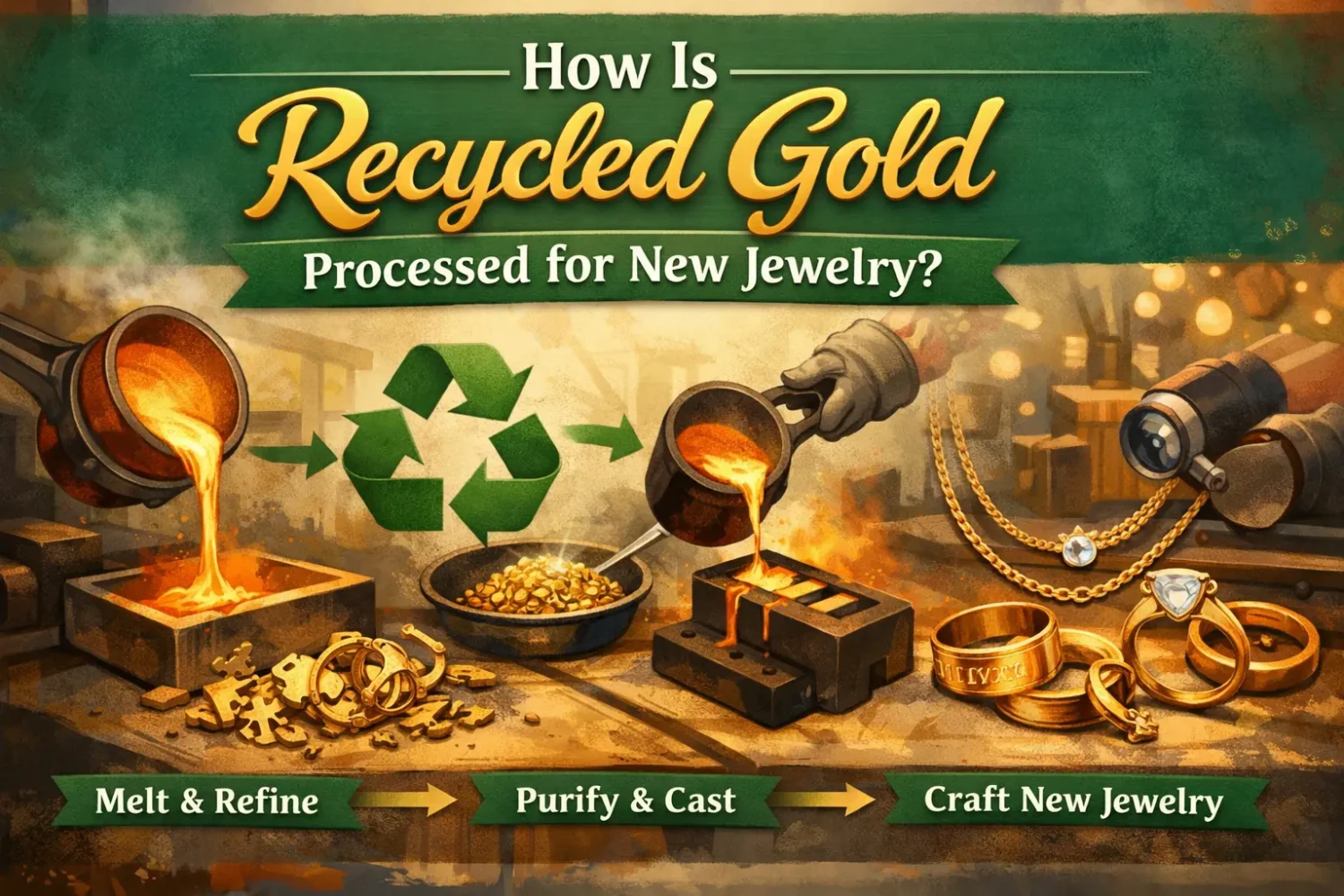
How Is Recycled Gold Processed for New Jewelry?

why do wedding rings go on left hand
Related products

14K Yellow Gold Lapiz Lazuli And White CZ Fish Pendant

925 Sterling Silver Yellow Gold Plated Lapiz Lazuli And White CZ Fish Pendant

14K Yellow Gold Yellow Quartz & Black Cubic Zircon Fish Pendant
Silver Yellow Gold Plated Yellow Quartz & Black Cubic Zircon Fish Pendant

14K Yellow Gold Clear Quartz & Ruby Cubic Zircon Fish Pendant
925 Silver Yellow Gold Plated Clear Quartz & Ruby Cubic Zircon Fish Pendant

14K Gold Hand-Carved Gemstone Snail Pendant – Designer Lucky Snail Charm for Necklaces
Hand-Carved 925 Gold Gemstone Snail Pendant – Lucky Charm Design for Necklaces

14K Carved Gemstone Flower Pendant – Handcrafted Floral Charm for Necklaces

14k Gold Star & Gemstone Heart Pendant – Black Onyx & Lapis Charm for Women


White Agate Scallop Shell Gemstone Pendant – 14K Yellow Gold Charm for Necklaces
925 White Agate Scallop Shell Pendant – Gold & Silver Gemstone Charm Jewelry

14K Carved Gemstone Heart Pendant – Designer Multi-Stone Heart Jewelry for Wholesale
Contact Us For Custom Jewelry
Please get in touch with us and share your ideas if you have personalized jewelry or are searching for a private label jewelry manufacturer. In accordance with your suggestions, we will make and present genuine jewelry.
Drop Us a Line
Scan QR Code
for immediate contact



Contacts
-
Address
FF-206, Kishanpole Bazar, Jaipur, Rajasthan
-
Phone / WhatsApp
+91 9216779317
-
Email
My Account
Subscribe to our newsletter for regular updates about Offers, Coupons & more
-
Address
FF-206, Kishanpole Bazar, Jaipur, Rajasthan
-
Phone
+91 9216779317
-
Email
-
For Order Related Query
Please get in touch with the above mentioned number on whatsapp only
-
Opening Hours
Monday to Sunday | 10:00 AM to 7:00 PM