

Amazing Facts About Jewelry and Gemstones: The Ultimate Guide
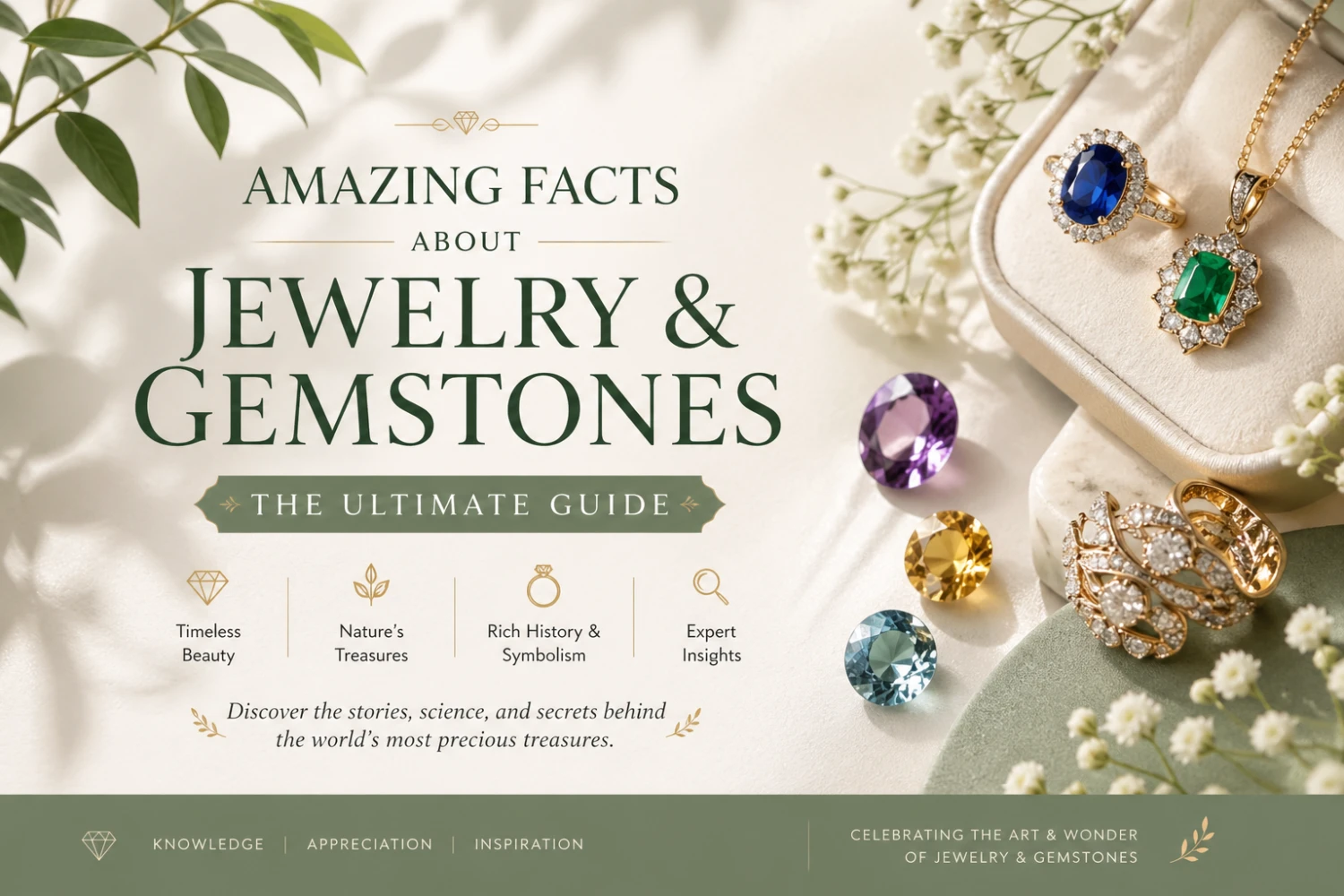
Amazing Facts About Jewelry & Gemstones: The Ultimate Guide
Jewelry is one of humanity's oldest forms of self-expression older than written language, older than agriculture, and older than the wheel. From the shell beads worn by our ancestors 100,000 years ago to the glittering diamonds gracing red carpets today, jewelry has always been more than mere decoration. It is science, history, culture, and art fused into wearable form.
At Suren Jewels, we believe that understanding the story behind a gemstone makes wearing it infinitely more meaningful. you're drawn to the fiery depths of a ruby, the celestial blue of a sapphire, or the timeless brilliance of a diamond, every gem you wear carries a universe of incredible facts within it.
This guide is your definitive companion to the most amazing, surprising, and awe-inspiring facts about jewelry and gemstones ever assembled in one place. Read on and prepare to look at your jewelry collection with completely new eyes.
The Ancient History of Jewelry
The story of jewelry is, in many ways, the story of humanity itself. Long before cities existed, before empires rose and fell, human beings were adorning themselves with whatever nature provided shells, bones, feathers, and stones.
The world's oldest known jewelry is approximately 100,000 years old
Archaeologists discovered ancient shell beads crafted from Nassarius shells in Morocco, suggesting that the impulse to decorate the body is as old as modern human consciousness itself. These weren't accidental finds the shells bore deliberate holes, indicating intentional crafting.
But the story doesn't stop there. Snail shell beads found in South Africa's Blombos Cave date back 75,000 years. Ostrich eggshell beads unearthed in Kenya's Enkapune Ya Muto cave are more than 40,000 years old. Our Cro-Magnon ancestors strung necklaces and bracelets from bone, animal teeth, berries, and stones threaded on sinew. In Siberia, carved bracelets fashioned from mammoth tusks have been discovered remarkable artifacts of Ice Age artistry.
Copper jewelry began appearing roughly 7,000 years ago. Fascinatingly, a female jeweler's grave discovered at the Museum of Ancient History in Lower Austria overturned the long-held assumption that ancient jewelers were exclusively male women were master craftspeople from the very beginning.
Ancient Egypt stands as one of history's greatest jewelry civilizations. Between 3,000 and 5,000 years ago, the Egyptians developed an extraordinary passion for gold, which they associated with the sun god Ra and believed to be the flesh of the gods. Emeralds were mined by Egyptian craftsmen as early as 3500 BC making Egypt's gemstone industry more than five and a half millennia old. They also wore amulets in the shape of the ankh, the famous symbol of life, believing jewelry to possess protective power against evil.
The Mesopotamian tombs at the Royal Cemetery of Ur, dating back to approximately 2900–2300 BC, yielded breathtaking treasures: elaborate gold and silver headdresses, stunning lapis lazuli collars, multi-strand necklaces, and intricately decorated pins. These pieces reveal the extraordinary sophistication of ancient jewelry-making far earlier than most people imagine.
Ancient India has been crafting fine jewelry for over 5,000 years, a tradition ignited by the Indus Valley Civilization. In Sanskrit the ancient language of India the word for ruby is ratnaraj, meaning "king of precious stones." India held the world's diamond monopoly for centuries; prior to the 18th century, virtually all of the world's diamonds were mined there.
Ancient China began crafting jewelry around the same period as India, though it didn't become widespread until Buddhism gained influence approximately 2,000 years ago. The ancient Chinese cherished silver far more than gold and developed a deeply spiritual relationship with jade, calling it "the stone of heaven." Chinese artisans crafted exquisite jade pieces alongside jewelry adorned with iridescent blue kingfisher feathers a technique of astonishing delicacy.
In ancient Assyria, both men and women wore jewelry in quantities that would astonish modern eyes enormous multi-strand necklaces, heavy ankle bracelets, and amulets covering the body. In ancient Rome, jewelry was a strict marker of social rank: only certain high-ranking citizens were legally permitted to wear rings.
The word "jewelry" itself traces its lineage through time: it comes from "jewel," borrowed from the Old French jouel, which derives from the Latin jocale, meaning "plaything" a charming reminder that at its heart, jewelry has always been about joy.
Astounding Diamond Facts
No gemstone captures human imagination quite like the diamond. The hardest, most brilliant, most storied stone on Earth and it turns out, in the universe.
Diamonds are among the oldest objects you will ever hold
Most diamonds were formed between one and three billion years ago, deep within the Earth's mantle, approximately 100 miles below the surface. They were created under conditions of immense heat temperatures exceeding 2,200 degrees Fahrenheit and pressure roughly 725,000 pounds per square inch. When volcanic activity carried them upward through kimberlite pipes, they made a journey that took millions of years. The youngest known diamond is nearly one billion years old. When you wear a diamond, you are wearing a fragment of Earth's deepest, most ancient history.
But the cosmic story goes even further
Many stars have diamond cores. The largest known diamond in the universe a crystallized white dwarf star catalogued as BPM 37093, nicknamed "Lucy" by astronomers weighs an estimated 10 billion trillion carats and measures approximately 2,500 miles across. Our entire planet could fit inside it many times over.
Diamonds are the hardest natural substance on Earth
scoring a perfect 10 on the Mohs hardness scale. The only material capable of scratching a diamond is another diamond. This extraordinary hardness makes diamonds uniquely suited for everyday wear they are essentially impervious to scratching from any other substance.
Red diamonds are among the rarest objects on Earth
To date, only a handful of true red diamonds are confirmed to exist anywhere in the world. The largest known red diamond, the Moussaieff Red, weighs just 5.11 carats and yet it is considered priceless in the truest sense of the word. By contrast, colorless diamonds, while beautiful, are far more common than many other gemstones.
The first recorded diamond engagement ring was given in 1477, when Archduke Maximilian of Austria commissioned a ring set with thin, flat diamonds for his betrothed, Mary of Burgundy. This single act of romantic gesture launched a tradition that would endure for six centuries and counting. The diamond engagement ring as we know it today featuring a brilliant-cut solitaire became widely popular only after the discovery of South African diamond mines in the late 19th century, and was further cemented by one of the most successful advertising campaigns in history.
The Cullinan Diamond remains the largest gem-quality rough diamond ever found. Discovered in a South African mine in 1905, it weighed a staggering 3,106.75 carats equivalent to approximately 621 grams, or more than half a kilogram. It was subsequently cut into nine major stones and numerous smaller ones, the two largest of which are now set in the British Crown Jewels. The largest cut stone, the First Star of Africa, sits in the Sovereign's Sceptre with Cross.
The Uncle Sam Diamond holds the distinction of being the largest diamond ever found in the United States. Discovered in 1924 at the Prairie Creek Pipe mine in Murfreesboro, Arkansas now known as the Crater of Diamonds State Park it originally weighed more than 40 carats. The man who found it was Wesley Oley Basham, known to friends as "Uncle Sam," which gave the stone its name. It was eventually cut into an emerald-cut diamond weighing over 12 carats.
Fascinating Facts About Colored Gemstones
While diamonds reign in their brilliance and hardness, the colored gemstone world is arguably even more diverse, surprising, and scientifically astonishing.
Emeralds
Emeralds owe their magnificent green color to trace amounts of chromium and vanadium within the beryl mineral structure. Without these impurities, beryl is colorless; they are what transform it into one of the world's most coveted gems. Lighter colored emeralds are sometimes called "green beryls" a designation that reflects their lower chromium content. Aquamarine is also a color variety of beryl, its name derived from the Latin aqua marina ("sea water"), reflecting its serene blue-green hue. Aquamarine is found at high mountain elevations in Brazil, Pakistan, and Kenya.
The "emerald cut" that iconic rectangular shape with cropped corners was actually designed specifically to maximize this gemstone's characteristics. Its step-cut facets reduce pressure during the cutting process and showcase the stone's depth of color. The cut became so closely identified with emeralds that it eventually borrowed the gem's own name.
Rubies
In the world of colored gemstones, rubies occupy a throne. A large, perfect, gem-quality ruby is worth more per carat than a comparable diamond. The most prized rubies in the world come from Burma (Myanmar), where the legendary "pigeon blood" ruby a pure, vivid red has been mined for centuries. Burmese rubies of exceptional quality are no longer exported, making them available only on the secondary market, further elevating their value.
Ruby, like sapphire, belongs to the corundum mineral family. Its red color comes from the presence of chromium. The intensity of red determines everything: a ruby must meet a threshold of color depth to be classified as a ruby rather than a pink sapphire a distinction that can mean tens of thousands of dollars per carat.
Sapphires
Most people picture deep blue when they think of sapphires, but these extraordinary gems come in virtually every color of the spectrum: pink, yellow, orange, purple, green, and the rare and coveted padparadscha a delicate pinkish-orange that commands extraordinary prices. Any sapphire that isn't red is called a "fancy" sapphire; the red ones are rubies.
One of the most spectacular sapphire phenomena is asterism the six-pointed star that appears on the surface of certain star sapphires when cut as a cabochon. This star is caused by tiny needle-like inclusions of rutile (titanium dioxide) arranged in three intersecting directions within the crystal. The Star of Asia, a breathtaking 330-carat cabochon star sapphire at the Smithsonian National Museum of Natural History in Washington, D.C., is one of the finest examples in the world. It came from the Magok mine in Burma and was gifted to the Smithsonian by the Maharajah of Jodhpur in the 1960s.
Most commercially available sapphires and rubies are heat-treated to enhance their color and clarity. This is an accepted industry practice. However, natural, unheated sapphires of gem quality command approximately double the price of their treated counterparts, a premium that reflects their extreme rarity.
Alexandrite
Alexandrite is the gemstone world's most dramatic shapeshifter. By daylight or fluorescent light, it appears a rich, vivid green. Under incandescent or candlelight, it transforms into a warm, passionate red. This color-change phenomenon is so striking that alexandrite earned the description "emerald by day, ruby by night." The gem was first discovered in Russia's Ural Mountains in 1830 on the birthday of Tsar Alexander II hence its name.
The science behind its color change lies in alexandrite's unusual light absorption properties: it absorbs different wavelengths of light selectively, making it appear green under bluish daylight and red under the warmer wavelengths of lamplight. Fine alexandrite is extraordinarily rare and accordingly, extraordinarily valuable.
Tanzanite
Tanzanite is found in only one place on Earth: a tiny strip of land approximately 4.3 miles long and 1.2 miles wide near Mount Kilimanjaro in Tanzania. First discovered in 1967, it was named by Tiffany & Co. after the country of its origin. Tanzanite's rich violet-blue color comes from the presence of vanadium, and most tanzanite is gently heated to remove brownish tones and intensify its signature blue-violet hue.
Because it is found in such a geographically limited area, tanzanite is considered functionally nonrenewable the deposits are expected to be exhausted within the next few decades. Many gemologists consider it geologically one of the rarest gems on the planet.
Opals
Opals are unlike any other gemstone. Their play-of-color that mesmerizing internal fire that shifts and dances is caused not by pigment but by the diffraction of light through millions of microscopic silica spheres arranged in their internal structure. No two opals display the same pattern. Each one is a unique, unrepeatable work of natural art.
"Boulder opals" are a particularly dramatic variety in which the opal forms within cracks of a darker host rock (the "mother stone"), which remains as a natural backing and often makes the color pop with extraordinary intensity.
Pearls
Pearls stand apart from every other gemstone for a simple, beautiful reason: they are the only gems created entirely by living organisms. A pearl begins when an irritant a grain of sand, a parasite, or a tiny piece of shell enters a mollusk such as an oyster or mussel. The creature responds by coating the irritant with layers of nacre, a crystalline substance, building it up over months or years.
Pearl growth timelines vary significantly by type. Akoya pearls the classic round, lustrous white pearls of fine jewelry take approximately one year to grow. Tahitian pearls, with their dark, mysterious beauty, require 18 to 24 months. Freshwater pearls, the most patient of all, can take up to seven years to form. No two pearls are identical, just as no two living creatures are alike.
Cleopatra's famous pearl experiment bears mention here: legend holds that she dissolved a pearl in vinegar which is chemically possible, since nacre (calcium carbonate) reacts with acetic acid and drank it to win a wager with Marc Antony that she could consume the wealth of an entire nation in a single meal. Whether historical fact or compelling mythology, it has made pearls unforgettable for over two millennia.
Garnet
The name "garnet" derives from the Latin garanatus, meaning "seedlike" a reference to the gem's resemblance to the blood-red seeds inside a pomegranate. Despite being predominantly associated with deep red, garnets actually occur in nearly every color. The rarest and most valuable variety, tsavorite garnet, is a vivid green that rivals the finest emerald.
Tourmaline
Tourmaline holds a unique distinction in the gemstone world: it is the only gem that occurs in every single color of the visible spectrum, including bicolored and multicolored specimens. The most famous of these is "watermelon tourmaline" a stone that is pink in the center and green at the edges, like a cross-section of the fruit that gives it its name. Brazil is the world's leading source of fine tourmalines.
Peridot
Peridot is one of the very few gemstones that forms in only one color olive green and it has an otherworldly origin story. In 2005, the Stardust spacecraft returned to Earth carrying comet dust that contained particles of peridot. The gem also forms in pallasites a rare type of meteorite meaning some peridot specimens genuinely originated in space. On Earth, peridot is one of the only gems that forms in the Earth's mantle rather than the crust.
Amber
Amber is the softest material used in jewelry, and among the most extraordinary. It is not technically a mineral at all it is fossilized tree resin, sometimes millions of years old. To qualify as true amber, the fossilized resin must be at least one million years old; some specimens are 120 million years old, dating to the time of the dinosaurs. Baltic amber, the most prized variety, is renowned for its clarity and golden warmth.
Perhaps most remarkably, amber often contains perfectly preserved insects, plant matter, and even small animals that became trapped in the original sticky resin and were frozen in time. These inclusions make amber a literal window into ancient ecosystems a natural time capsule of extraordinary scientific value.
Because amber is so light, it will float in salt water a useful test for authenticity.
Gold, Silver & Platinum The Metals Behind the Magic
Gemstones dazzle, but without the precious metals that hold and frame them, jewelry as we know it would not exist.
Gold has captivated humanity for as long as civilization has existed, partly because of its extraordinary properties. It does not tarnish, corrode, or rust. It is extraordinarily malleable a single ounce of gold can be beaten into a sheet roughly 300 square feet in area, or drawn into 50 miles of wire. It is also naturally antibacterial.
Here's a cosmic fact that rivals diamond's cosmic origin story: much of the gold on Earth came from outer space.Scientists believe that gold was created through neutron star collisions and subsequently arrived on Earth through meteorite impacts during the Late Heavy Bombardment approximately 4 billion years ago. The gold in your jewelry may have been forged in a stellar catastrophe billions of light-years away.
Pure gold is 24 carats, meaning it is 99.9% gold. Interestingly, 24-carat gold is considered too soft for jewelry in the United States and Europe, where 18-carat (75% gold) and 14-carat (58.3% gold) alloys dominate. However, 24-carat gold jewelry is the norm across much of Asia, the Middle East, and Africa, where its purity is highly valued.
The word "carat" itself has a fascinating etymology: it derives from the Greek keration, meaning "fruit of the carob." Carob seeds were historically used as counterweights for measuring precious metals and gems because of their remarkably consistent weight.
The largest gold nugget ever found was the "Welcome Stranger," discovered in Moliagul, Victoria, Australia in 1869. It weighed an extraordinary 70 kilograms roughly 154 pounds and remains the world's largest alluvial gold nugget ever recorded.
Platinum is significantly rarer than gold roughly 30 times rarer by volume mined per year and considerably heavier. Platinum alloys used in jewelry typically range from 90% to 95% pure, denoted as 900 and 950 respectively. Its naturally white color never fades or changes, making it a popular choice for settings that must hold precious diamonds or colored stones without competing for visual attention.
Silver has a different historical narrative. The ancient Chinese, for instance, prized silver far above gold for centuries. Silver is the most reflective of all metals and has natural antimicrobial properties. Sterling silver, the standard for fine silver jewelry, is 92.5% silver alloyed with copper for strength.
Legendary Jewelry Pieces That Changed History
Some pieces of jewelry are not simply beautiful they are woven into the fabric of history itself.
The Hope Diamond is arguably the world's most famous and most infamous gemstone. This extraordinary 45.52-carat deep blue diamond one of the largest blue diamonds in the world is currently housed at the Smithsonian Institution in Washington, D.C. Its blue color comes from trace amounts of boron within its crystal structure. Its legend is darker: the Hope Diamond is said to carry a curse originating from its removal from an idol in India, bringing misfortune to a succession of owners across centuries. Whether the curse is fact or romantically embellished history, the diamond's allure is undeniable.
The real sapphire necklace on the Titanic is a story more poignant than its Hollywood version. While the fictional "Heart of the Ocean" in James Cameron's 1997 film was invented for dramatic effect, a real sapphire necklace did sink with the ship. Henry Morley, a 40-year-old married man, had eloped with his 20-year-old employee Kate Phillips, boarding the Titanic for a new life in America. He had gifted her a beautiful sapphire necklace. When the ship sank in April 1912, Morley who could not swim perished. Phillips survived by boarding a lifeboat, but the sapphire necklace was lost to the Atlantic.
The Breastplate of Aaron, described in the Book of Exodus, is one of the earliest recorded examples of symbolic gemstone use. The high priest of Israel wore a breastplate set with twelve different gemstones, each representing one of the twelve tribes of Israel. This ancient artifact is believed to be the origin of the modern birthstone tradition making birthstones a practice that stretches back more than 3,000 years.
The Venetian glass bead trade of Murano Island changed the economic landscape of the Renaissance world. Master glassmakers on this small island near Venice developed revolutionary techniques for crystalline glass, enameled glass, and glass threaded with gold creating beads of extraordinary beauty that were sought after across Europe and beyond from as early as the 1200s. Venetian glass beads remain handmade and highly prized to this day.
Gemstone Science: Formation, Hardness & Rarity
The science of gemstones is every bit as fascinating as their history and lore.
The Mohs Hardness Scale developed by German mineralogist Friedrich Mohs in 1812 ranks minerals from 1 (talc, the softest) to 10 (diamond, the hardest). This scale is not linear: diamond (10) is many times harder than corundum/sapphire (9), which in turn is significantly harder than topaz (8). Understanding hardness matters deeply for jewelry: gems rated below 7 are generally unsuitable for rings worn daily, as they are vulnerable to scratching from everyday dust and grit.
Gemstones are graded on four primary quality factors known in the trade as the Four Cs for diamonds, and adapted for colored stones: color, clarity, cut, and carat weight. For colored gemstones, color is by far the most important of these factors. Saturation the intensity and purity of a gem's color determines most of its value. Heat treatment is used on many colored gemstones, including sapphires and rubies, to enhance their hue and transparency. This is a permanent, industry-accepted enhancement. Unheated gemstones of gem quality command a significant premium.
Most gemstone deposits come from small-scale miners. Between 70 and 90 percent of the world's colored gemstones are sourced through small-scale mining operations a fact that has profound implications for the communities involved. Unlike large industrial mining, small-scale gemstone mining often directly benefits local economies. Unlike gold and diamonds, colored gemstones have rarely been linked to conflict financing, making ethical sourcing in this sector a more tractable challenge.
Amethyst, widely cherished for its regal purple color, is simply a variety of quartz. So are citrine (golden yellow), rose quartz (soft pink), and smoky quartz (brown-black). The purple color in amethyst comes from iron impurities and natural irradiation within the crystal. Its name derives from the ancient Greek amethystos, meaning "not drunk" the Greeks believed wearing amethyst prevented intoxication, leading to the practice of carving wine goblets from the stone.
The largest faceted gemstone in the world is a blue topaz from Brazil the "El-Dorado Topaz" which weighs nearly 31,000 carats. the most famous large faceted topaz is another Brazilian specimen that tips the scales at nearly 37,000 carats. Topaz owes its blue color to irradiation treatment in most commercial specimens; natural blue topaz is comparatively rare.
Cultural Symbolism of Jewelry Around the World
Few aspects of jewelry history are as rich and varied as its symbolic meanings across different civilizations and traditions.
In ancient Rome,
only men of specific ranks could legally wear gold rings. This wasn't merely fashion it was law. Jewelry was a visible marker of social class and civic standing. As the Empire evolved, these restrictions gradually loosened, and jewelry became increasingly democratic.
In traditional Islamic culture,
the wearing of gold by men is a social and religious taboo, though women are permitted to wear gold and jewelry freely. This has driven the development of extraordinary silver and platinum craftsmanship throughout the Islamic world.
Wedding rings for men are, historically speaking, a very recent invention. The practice of both partners exchanging rings at a wedding only became widespread in the mid-20th century largely promoted by the jewelry industry seeking to expand its market. By the mid-1940s, 85% of North American weddings featured rings for both partners. In much of Europe and Asia, the tradition predates the commercial push, but the universality of men's wedding bands is a modern phenomenon.
In ancient Egypt,
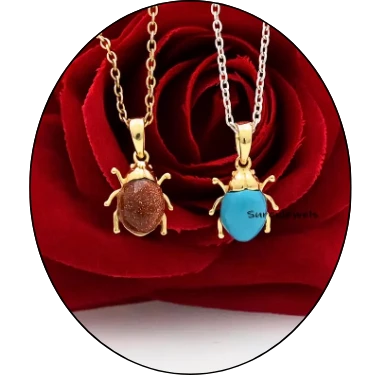
jewelry served both decorative and spiritual purposes. The scarab beetle amulet was believed to offer protection and rebirth. Remarkably, the Egyptians were also among the first to incorporate live insects into jewelry wearing scarab beetles into battle as protective amulets. The Victorian era revived this tradition in an unexpectedly dramatic fashion: wealthy Victorians actually attached living, jewel-colored beetles to their clothing using tiny gold chains, wearing them as living brooches at fashionable events.
The turquoise stone has been regarded as protective across dozens of unrelated cultures from ancient Egypt to Native American peoples of the American Southwest, from Persia to Tibet. Warriors and kings wore it to safeguard themselves in battle. Turquoise is found in only a few locations on Earth, with the largest deposit region in the southwestern United States, which accounts for its deep association with Native American jewelry traditions.
In many African cultures,
large earrings have historically been symbols of masculinity, power, and status a stark contrast to Western assumptions about gendered jewelry norms. In some East African communities, the stretching of earlobes through progressively larger ornaments is a respected tradition of adornment.
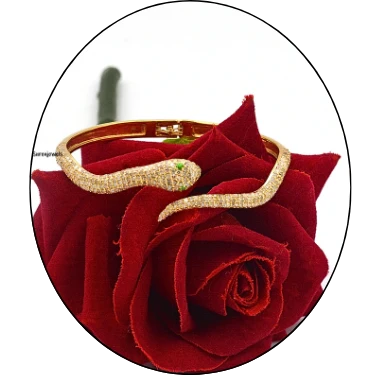
The Art Nouveau movement (roughly 1890–1910) produced some of the most distinctive jewelry in Western history. Reacting against the industrialization of the Victorian era, Art Nouveau jewelers embraced organic forms flowers, dragonflies, serpents, nymphs executed in enamel, plique-à-jour (translucent enamel), and unusual materials including horn and glass. René Lalique remains the defining master of this era.
Victorian mourning jewelry occupies a uniquely haunting place in jewelry history. After the death of Prince Albert in 1861, Queen Victoria entered a prolonged and visible period of mourning that transformed social fashion. It became not only acceptable but fashionable to incorporate locks of a deceased loved one's hair into brooches, lockets, and rings creating intimate, wearable memorials to the departed.
Birthstones: History & Hidden Meanings
The birthstone tradition is far older and more deeply rooted than most people realize.
The connection between gemstones and calendar months traces back to the Breastplate of Aaron, the ceremonial garment described in the Book of Exodus, set with twelve gemstones representing the twelve tribes of Israel. Ancient scholars later drew connections between these twelve stones, the twelve months of the year, and the twelve signs of the zodiac.
The modern standardized list of birthstones was established by the American National Retail Jewelers Association in 1912, though it has been updated several times since. Here is a brief guide to birthstones and their historical meanings:
January Garnet:
Symbolizes protection and safe travel. Medieval warriors wore garnets into battle believing they would guard against injury.
February Amethyst:
The stone of sobriety, clarity, and calm. Ancient Greeks carved their drinking vessels from it; early Christians associated it with piety.
March Aquamarine:
Historically the stone of sailors, believed to calm seas and protect travelers on water. Its name literally means "sea water" in Latin.
April Diamond:
The ultimate symbol of eternal love, invincibility, and clarity. The word "diamond" derives from the Greek adamas, meaning "unconquerable."
May Emerald:
Associated with fertility, rebirth, and wisdom. Cleopatra wore emeralds; the ancient Romans associated them with Venus, goddess of love.
June Pearl (and Alexandrite):
Pearls represent purity, innocence, and femininity across nearly every culture that has encountered them. Alexandrite, the alternate June stone, symbolizes luck and love.
July Ruby:
The "king of precious stones" in Sanskrit. Rubies represent passion, courage, and vital life force. They were believed by ancient warriors to make them invincible.
August Peridot:
One of only two gemstones (the other being diamond) that forms in the Earth's mantle rather than the crust. Symbolizes strength and renewal.
September Sapphire:
Long associated with the heavens, truth, and wisdom. Medieval clergy wore sapphires believing they symbolized heaven. Princess Diana's famous sapphire engagement ring now worn by Catherine, Princess of Wales helped cement the sapphire's modern romantic association.
October Opal (and Tourmaline):
Opals have historically been considered both extremely lucky (most cultures) and unlucky (a Victorian superstition largely invented by a single novel). They symbolize creativity, hope, and innocence.
November Topaz (and Citrine):
Yellow topaz and citrine both carry associations with warmth, abundance, and healing. The word "topaz" may derive from Topazios, the ancient Greek name for an island in the Red Sea.
December Turquoise, Tanzanite, and Blue Zircon:
Turquoise is one of humanity's oldest protective stones. Tanzanite, discovered only in 1967, has become one of December's most popular modern birthstones for its extraordinary violet-blue beauty.
Rare & Record-Breaking Gemstones
The gemstone world is filled with superlatives record sizes, record prices, and phenomena that defy easy explanation.
The most expensive gemstone ever sold at auction was the CTF Pink Star diamond a 59.60-carat oval mixed-cut fancy vivid pink diamond which sold at Sotheby's Hong Kong in April 2017 for approximately $71.2 million. It remains the largest internally flawless fancy vivid pink diamond ever graded by the Gemological Institute of America.
Tanzanite's rarity is almost impossible to overstate. It is found only in a strip of land roughly 5 square miles in total area. Geologists estimate it is approximately 1,000 times rarer than diamond. Given the limited nature of its deposits and accelerating mining, experts predict supplies may be exhausted within two to three decades.
Morganite, a peachy-pink variety of beryl, was first discovered in 1910 in Madagascar. It was named in honor of J.P. Morgan the legendary American financier by the gemologist George Frederick Kunz. Morgan was a major collector and patron of gemological science. Today morganite has become one of the most popular choices for non-traditional engagement rings.
The Dom Pedro Aquamarine is the world's largest cut aquamarine, weighing just over 2,000 carats approximately 400 grams, roughly the size of a tennis ball. Cut by German lapidary Bernd Munsteiner in an extraordinary obelisk form, it is currently on permanent display at the Smithsonian Institution.
Jade has a history of valuation that will surprise most Westerners. Until approximately 100 years ago, jade was more commonly used in engagement rings than diamonds. For thousands of years in China, Central America (where the Maya and Aztec civilizations revered it), and New Zealand (where Maori people prize it as pounamu), jade was considered more precious than gold. The ancient Chinese saying "gold has a price, jade is priceless" captures this perfectly.
Red diamonds are so rare that most jewelers never encounter one in an entire career. The world's supply of known red diamonds could be held comfortably in the palm of one hand. The Moussaieff Red, at 5.11 carats, is the largest known red diamond. Its value per carat exceeds that of virtually any other gemstone on Earth.
Jewelry Care Facts Every Owner Should Know
Understanding how to care for your jewelry is as important as understanding its history. Proper care ensures that fine pieces can be passed down through generations, each one as brilliant as the day it was created.
Different gemstones require different care
Diamond, the hardest gemstone, is the most forgiving in terms of durability but can still chip if struck at the right angle (hardness is not the same as toughness). Emeralds, despite their beauty, are highly included and relatively brittle they should never be cleaned in an ultrasonic cleaner. Opals contain water within their structure and should never be subjected to extreme heat or prolonged sunlight. Pearls are organic and sensitive to acids, perfumes, and hairsprays.
The home cleaning rule of thumb for most jewelry is simple: use mild dish soap, warm water, and a soft toothbrush. Rinse thoroughly and dry gently with a soft cloth. Avoid harsh chemicals entirely unless specifically recommended by a professional.
Storage matters more than most people realize
Diamonds can scratch other gemstones and even other diamonds if stored together. Each piece of fine jewelry should ideally be stored separately in a soft pouch or lined jewelry box compartment.
Professional inspection every 6 to 12 months is recommended for fine jewelry with precious stones. Prongs and settings gradually wear over time, and a gemstone lost from a loose setting is rarely recovered. A professional jeweler can spot early wear and secure stones before they are lost.
Remove jewelry before swimming (chlorine weakens gold alloys and can damage many stones), exercising (physical impact and sweat can harm both metals and gems), applying cosmetics, perfume, or hair products (these coat gemstone surfaces and dull their brilliance), and household cleaning (harsh chemicals are particularly damaging).
Kunzite a beautiful lavender-pink gem has an unusual care requirement unique among gemstones: it is photosensitive. Extended exposure to direct sunlight causes it to fade. It was historically called the "Evening Stone" because it was best enjoyed in artificial light.
FAQs About Jewelry & Gemstones
Q1. What is the oldest gemstone in the world?
Ans1. The oldest known gemstone material is zircon not to be confused with cubic zirconia. Zircon crystals found in the Jack Hills of Western Australia have been dated to approximately 4.4 billion years old, making them the oldest known material on Earth's surface.
Q2. What is the rarest gemstone in the world?
Ans2. Several contenders exist, but painite a borate mineral first discovered in Myanmar in the 1950s was for many years considered the rarest mineral on Earth. For decades, fewer than 25 specimens were known to exist. Red diamonds and grandidierite are also contenders for the title of rarest gem-quality stone.
Q3. Why do diamonds sparkle so brilliantly?
Ans3. Diamonds have an exceptionally high refractive index meaning light bends dramatically when it enters the stone. When a diamond is cut correctly, light enters, bounces around the interior, and exits the top in a spectacular display of brightness and fire (the rainbow-colored flashes). This combination of brilliance and fire is unique to diamond and explains its unparalleled visual appeal.
Q4. Are lab-grown diamonds real diamonds?
Ans4. Yes. Lab-grown diamonds are chemically, physically, and optically identical to mined diamonds they are real diamonds in every scientific sense. They are created either by replicating the high-pressure, high-temperature conditions of the Earth's mantle (HPHT method) or by a chemical vapor deposition process (CVD). They differ from mined diamonds only in their origin.
Q5. What makes a gemstone "precious" versus "semi-precious"?
Ans5. This distinction is a commercial and historical one, not a scientific classification. Traditionally, diamond, ruby, emerald, and sapphire were called "precious," with all others termed "semi-precious." However, this terminology is increasingly considered outdated and misleading a fine alexandrite, tanzanite, or tsavorite garnet can be worth far more than a low-quality ruby or emerald.
Q6. What is the significance of wearing jewelry on different fingers?
Asn6. Ring-finger traditions vary across cultures. In many Western countries, the left ring finger is designated for engagement and wedding rings a tradition rooted in the ancient Roman concept of the vena amoris, or "vein of love," believed to run directly from that finger to the heart (anatomically incorrect, but romantically compelling). In many Eastern European, Indian, and Latin American cultures, the wedding ring is worn on the right hand.
Q7. Can pearls really dissolve in vinegar?
Ans7. Yes this is scientifically accurate. Pearl nacre is composed primarily of calcium carbonate, which reacts with acetic acid (the active ingredient in vinegar) to dissolve. The story of Cleopatra dissolving a pearl to drink it is historically plausible, though historians debate whether it actually occurred.
Q8. What is the Mohs hardness scale?
Ans8. Developed by Friedrich Mohs in 1812, this scale ranks minerals' resistance to scratching on a scale of 1 to 10. Talc is rated 1 (scratched by a fingernail); diamond is rated 10 (scratched only by another diamond). For everyday jewelry, gems rated 7 or above are generally considered durable enough for rings.
Conclusion: Wear Your Story with Suren Jewels
Every piece of jewelry holds a story that stretches back further than you might have imagined across billions of years of geological history, across continents and civilizations, across the stories of royalty and ordinary people alike who have been drawn to these extraordinary objects.
At Suren Jewels, we believe that a truly beautiful piece of jewelry is one that carries meaning as well as beauty. Our collection is curated with the same passion for quality, rarity, and craftsmanship that has driven the finest jewelry traditions for millennia. you are drawn to the timeless elegance of a diamond, the passionate fire of a ruby, the cool serenity of a sapphire, or the celestial mystery of tanzanite, we invite you to discover jewelry that tells a story worthy of you.
Because the most amazing fact about jewelry is this: you choose to wear, you are connecting yourself to something ancient, universal, and deeply human. You are part of a tradition 100,000 years old and counting.
Explore the Suren Jewels collection and find the gemstone that speaks to you. Every piece we offer is a chapter in the world's most beautiful story.
Recent Posts
Gold Chain Manufacturers You Can Trust Suren Jewels

9K Gold Jewelry Manufacturer for US Brands

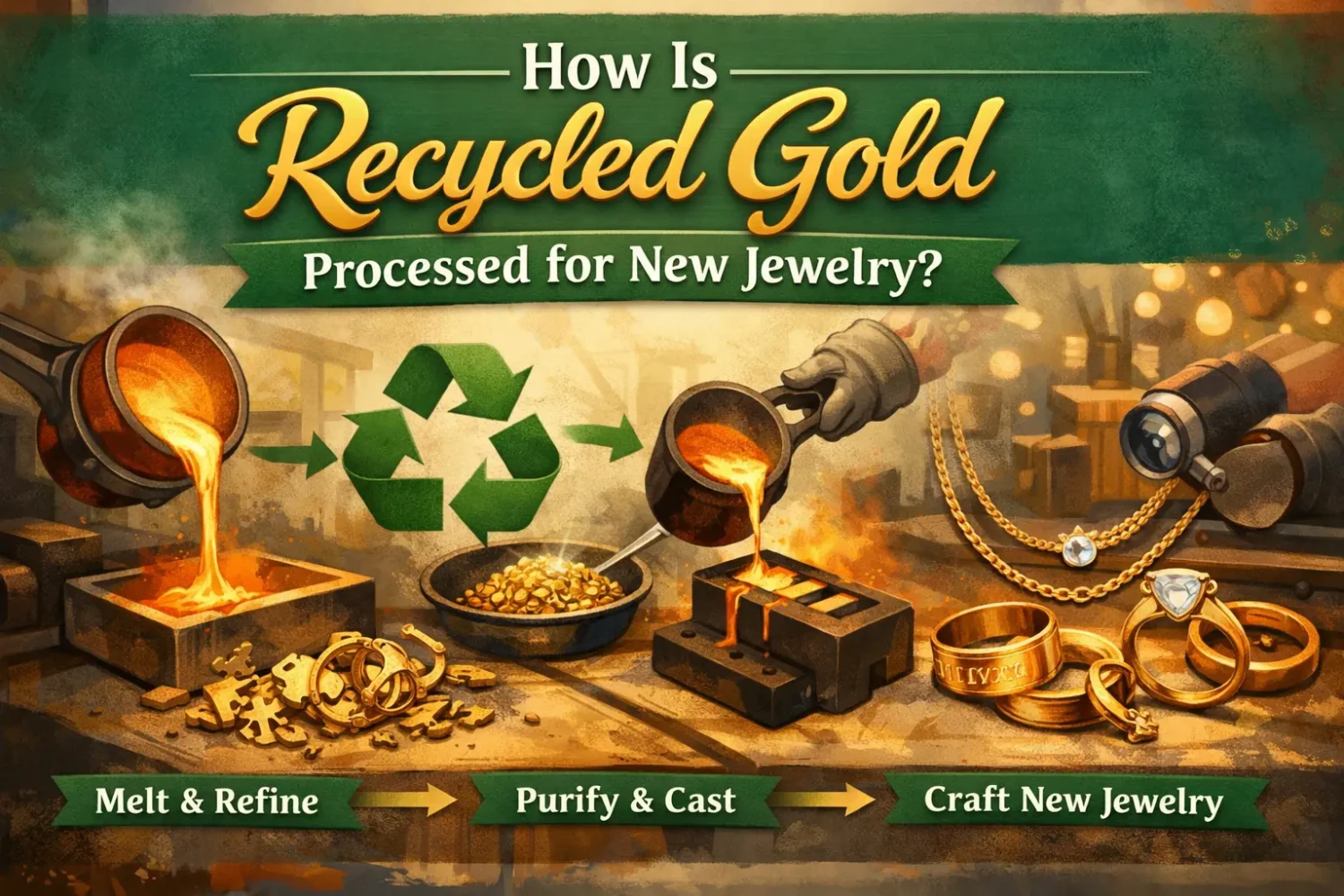
How Is Recycled Gold Processed for New Jewelry?
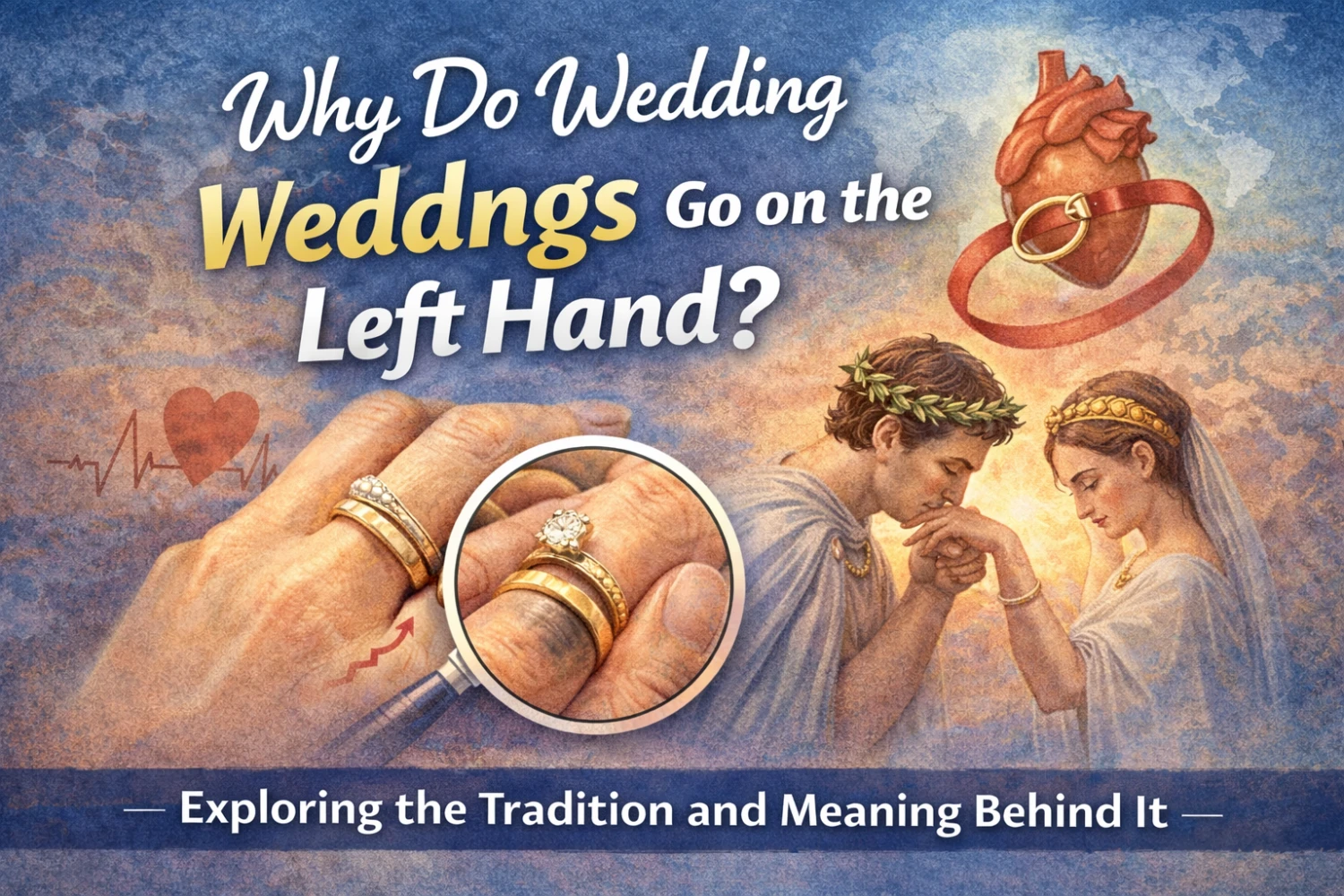
why do wedding rings go on left hand
Related products

14K Yellow Gold Lapiz Lazuli And White CZ Fish Pendant

925 Sterling Silver Yellow Gold Plated Lapiz Lazuli And White CZ Fish Pendant

14K Yellow Gold Yellow Quartz & Black Cubic Zircon Fish Pendant
Silver Yellow Gold Plated Yellow Quartz & Black Cubic Zircon Fish Pendant

14K Yellow Gold Clear Quartz & Ruby Cubic Zircon Fish Pendant
925 Silver Yellow Gold Plated Clear Quartz & Ruby Cubic Zircon Fish Pendant

14K Gold Hand-Carved Gemstone Snail Pendant – Designer Lucky Snail Charm for Necklaces
Hand-Carved 925 Gold Gemstone Snail Pendant – Lucky Charm Design for Necklaces

14K Carved Gemstone Flower Pendant – Handcrafted Floral Charm for Necklaces

14k Gold Star & Gemstone Heart Pendant – Black Onyx & Lapis Charm for Women


White Agate Scallop Shell Gemstone Pendant – 14K Yellow Gold Charm for Necklaces
925 White Agate Scallop Shell Pendant – Gold & Silver Gemstone Charm Jewelry

14K Carved Gemstone Heart Pendant – Designer Multi-Stone Heart Jewelry for Wholesale
Contact Us For Custom Jewelry
Please get in touch with us and share your ideas if you have personalized jewelry or are searching for a private label jewelry manufacturer. In accordance with your suggestions, we will make and present genuine jewelry.
Drop Us a Line
Scan QR Code
for immediate contact



Contacts
-
Address
FF-206, Kishanpole Bazar, Jaipur, Rajasthan
-
Phone / WhatsApp
+91 9216779317
-
Email
My Account
Subscribe to our newsletter for regular updates about Offers, Coupons & more
-
Address
FF-206, Kishanpole Bazar, Jaipur, Rajasthan
-
Phone
+91 9216779317
-
Email
-
For Order Related Query
Please get in touch with the above mentioned number on whatsapp only
-
Opening Hours
Monday to Sunday | 10:00 AM to 7:00 PM