

Is Quartz a Gemstone? Facts, Types and Value Explained
Is Quartz a Gemstone? Facts, Types and Value Explained
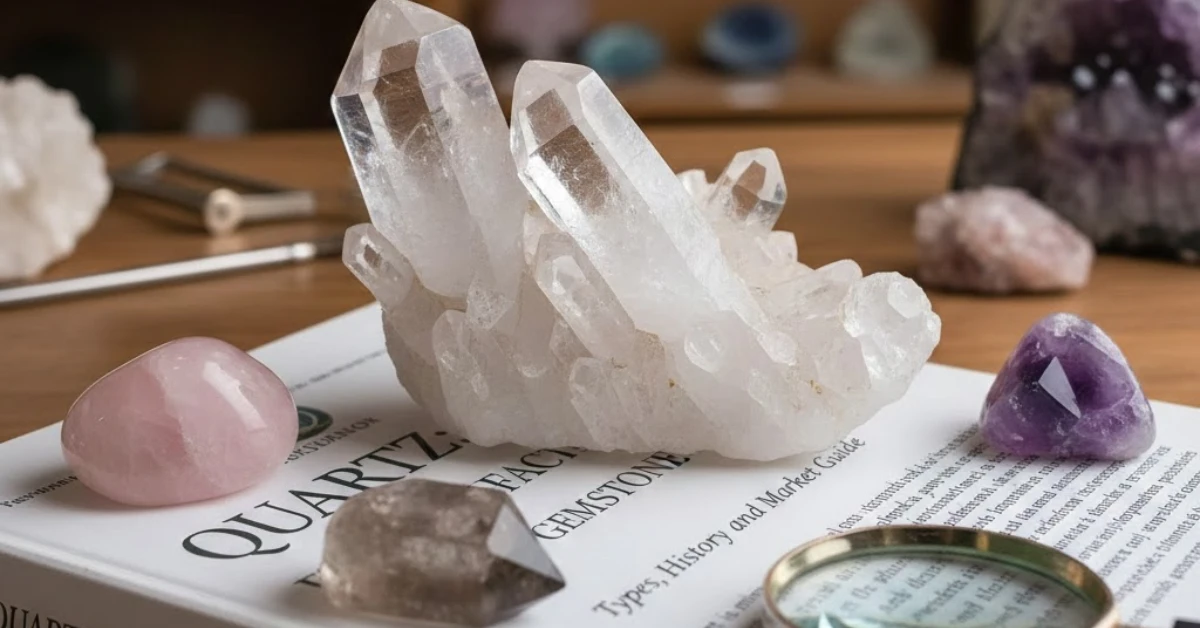
Quartz is one of the most common minerals on Earth, yet it is also one of the most widely used materials in fine jewelry and gemstones. This often leads to confusion: is quartz really a gemstone, or just a common crystal? The answer is yes quartz is a gemstone, and in many forms, it is highly valued.
From amethyst and citrine to rose quartz and smoky quartz, this mineral appears in some of the most popular gemstones in the world. Understanding what makes quartz a gemstone, its different types, and its real market value helps buyers and collectors make informed decisions.
What Is Quartz?
Quartz is a natural mineral composed of silicon and oxygen (SiO₂). It forms in a wide range of geological environments, which is why it is so abundant across the planet.
Despite its abundance, quartz can develop exceptional clarity, color, and durability. These qualities are what elevate certain quartz varieties into the gemstone category.
Is Quartz Officially Considered a Gemstone?
Yes, quartz is officially classified as a gemstone when it meets gem-quality standards. A gemstone is defined by beauty, durability, and rarity not just scarcity.
Quartz scores 7 on the Mohs hardness scale, making it durable enough for jewelry. Many quartz varieties also show strong color, clarity, and visual appeal. When quartz is attractive and well-formed, it qualifies as a gemstone.
Why Quartz Is So Popular as a Gemstone?
Quartz gemstones are popular because they offer beauty at accessible price points. They are durable, widely available, and come in a remarkable range of colors.
Another reason is versatility. Quartz can be cut into almost any shape, polished easily, and worn daily without excessive care. This balance of durability, beauty, and affordability makes quartz a favorite worldwide.
Main Types of Quartz Gemstones
Quartz gemstones are divided into macrocrystalline and cryptocrystalline varieties. Macrocrystalline quartz has visible crystals, while cryptocrystalline quartz has microscopic crystals.
Most jewelry-grade quartz belongs to the macrocrystalline category. These are the types people commonly recognize as gemstones. Each variety has its own color, value, and use.
Amethyst: The Most Famous Quartz Gemstone
Amethyst is the purple variety of quartz and one of the most popular gemstones in the world. Its color ranges from light lavender to deep royal purple.
High-quality amethyst with rich color and good clarity can be quite valuable. Historically, it was once considered as precious as ruby or sapphire. Even today, fine amethyst remains highly desirable.
Citrine: The Golden Quartz Gemstone
Citrine is the yellow to golden-orange variety of quartz. It is often associated with warmth, positivity, and prosperity.
Natural citrine is rarer than amethyst, though much citrine on the market is heat-treated amethyst. This does not disqualify it as a gemstone but affects value. Bright, natural citrine commands higher prices.
Rose Quartz: Beauty Over Transparency
Rose quartz is known for its soft pink color and cloudy appearance. Unlike other quartz gemstones, it is usually translucent rather than transparent.
Its appeal lies in color and symbolism rather than clarity. Rose quartz is widely used in jewelry, carvings, and decorative pieces. Large sizes are common, keeping prices accessible.
Smoky Quartz: Elegant and Earthy
Smoky quartz ranges from light brown to deep blackish-brown. It is valued for its subtle, sophisticated look.
Clear smoky quartz with even color is more valuable than heavily opaque stones. It is often used in men’s jewelry and modern designs. Its understated beauty has strong market appeal.
Clear Quartz: The Purest Form
Clear quartz, also known as rock crystal, is colorless and transparent. High-quality clear quartz can resemble diamonds at first glance.
While not as valuable as diamonds, clear quartz is prized for its clarity and versatility. It is widely used in both jewelry and decorative applications.
Cryptocrystalline Quartz Varieties
Cryptocrystalline quartz includes gemstones like agate, chalcedony, jasper, and onyx. These stones are opaque or semi-translucent and often display patterns.
They are widely used in jewelry, beads, and carvings. While usually less expensive than transparent quartz, some rare patterns can be valuable.
How Quartz Compares to Other Gemstones?
Quartz is harder than many gemstones but softer than sapphire or diamond. This makes it durable enough for everyday wear with minimal care.
In terms of value, quartz is generally more affordable than precious gemstones. However, affordability does not mean low quality it means wider accessibility.
What Determines the Value of Quartz Gemstones?
Quartz value depends on several factors, including color intensity, clarity, size, cut quality, and whether the stone is natural or treated.
Deep, saturated colors increase value significantly. Stones with good transparency and minimal inclusions are priced higher.
Is Quartz Rare or Common?
Quartz as a mineral is extremely common, but gem-quality quartz is less common. Only a small percentage of quartz crystals meet gemstone standards.
Certain colors, like deep purple amethyst or natural citrine, are rarer than others. Large, flawless stones are also less common.
Natural vs Treated Quartz
Many quartz gemstones undergo treatments such as heating or irradiation to enhance color. These treatments are accepted in the gemstone industry when disclosed.
Natural, untreated quartz typically commands higher prices, especially for collectors. Treated quartz remains genuine quartz.
Is Quartz Considered a Precious Gemstone?
Quartz is classified as a semi-precious gemstone, not a precious one. Precious gemstones traditionally include diamond, ruby, sapphire, and emerald.
This classification is historical rather than quality-based. Many quartz gemstones are more beautiful and durable than some “precious” stones.
Quartz in Fine Jewelry vs Fashion Jewelry
Quartz appears in both fine and fashion jewelry. In fine jewelry, it is set in gold or platinum and carefully cut.
In fashion jewelry, quartz may be used in silver or base metals. The gemstone itself can be the same the difference lies in craftsmanship and setting.
Investment Value of Quartz
Quartz is generally not considered an investment gemstone like diamonds or rubies. Exceptional specimens, rare colors, or large flawless stones can be appreciated.
Most people buy quartz for beauty, symbolism, or daily wear rather than resale value. Value here is personal rather than financial.
Common Myths About Quartz as a Gemstone
One myth is that quartz is “too common” to be a gemstone. In reality, many gemstones come from common minerals.
Another myth is that quartz is fragile. With proper care, quartz jewelry lasts decades. Understanding facts helps buyers choose wisely.
Who Should Buy Quartz Gemstones?
Quartz is ideal for buyers who want beauty, durability, and affordability. It suits everyday wear, statement pieces, and meaningful jewelry.
Collectors often start with quartz before moving to rarer gemstones. Its range makes it suitable for all tastes. Quartz is a beginner-friendly gemstone.
Final Answer: Is Quartz a Gemstone?
Yes, quartz is absolutely a gemstone. When it displays beauty, durability, and suitable clarity or color, it fully qualifies as a gemstone and is widely accepted in the jewelry industry.
From amethyst and citrine to rose and smoky quartz, quartz gemstones are among the most versatile and loved stones in the world.
Conclusion
Quartz may be one of the most abundant minerals on Earth, but its gemstone varieties are anything but ordinary. With its wide range of colors, strong durability, and accessible pricing, quartz has earned its place as a true gemstone.
If you value quartz for fashion, symbolism, or everyday elegance, it offers exceptional versatility. Understanding its types and value ensures you appreciate quartz not as “just a crystal,” but as a gemstone with real beauty and significance.
Recent Posts
Gold Chain Manufacturers You Can Trust Suren Jewels
9K Gold Jewelry Manufacturer for US Brands
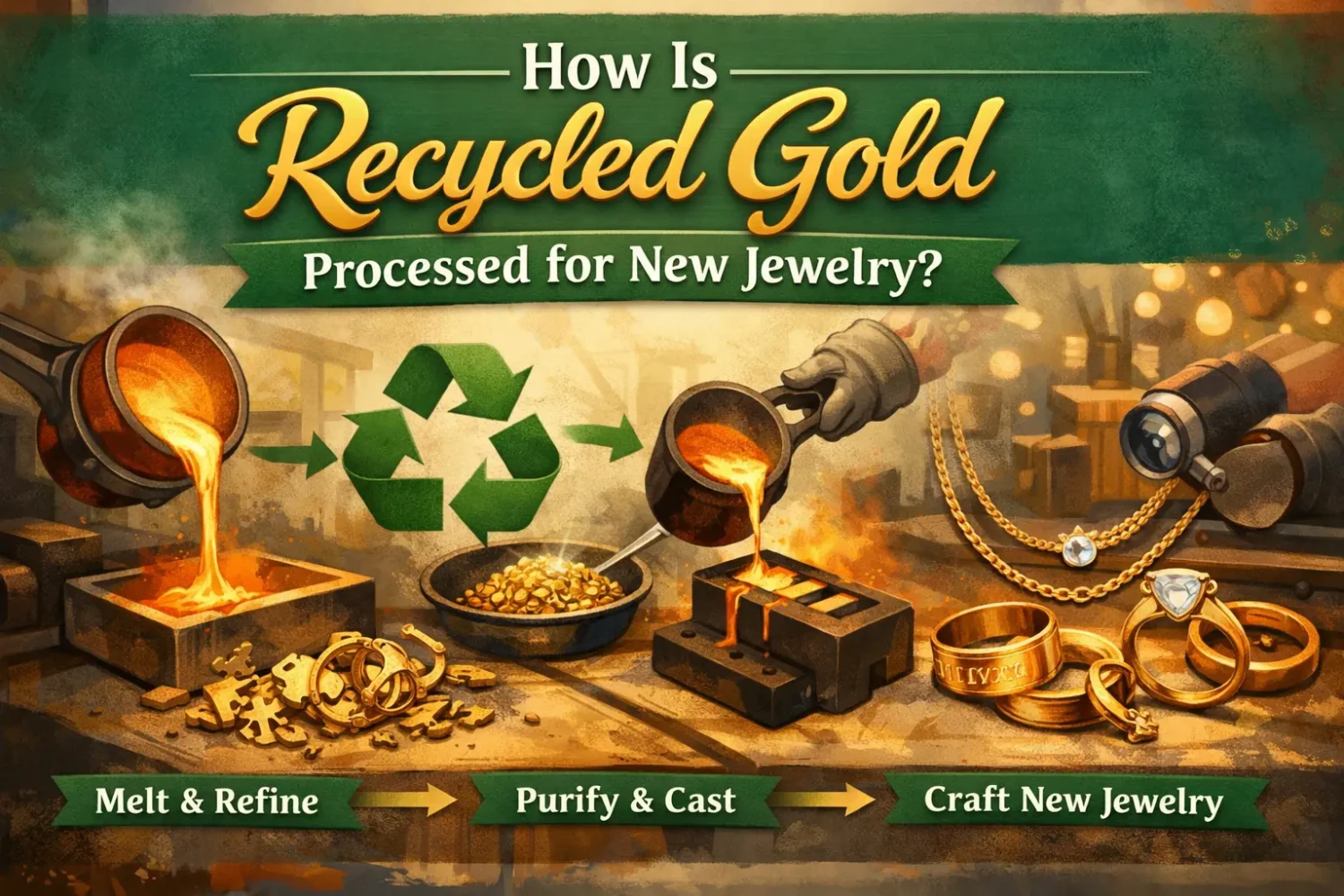
How Is Recycled Gold Processed for New Jewelry?
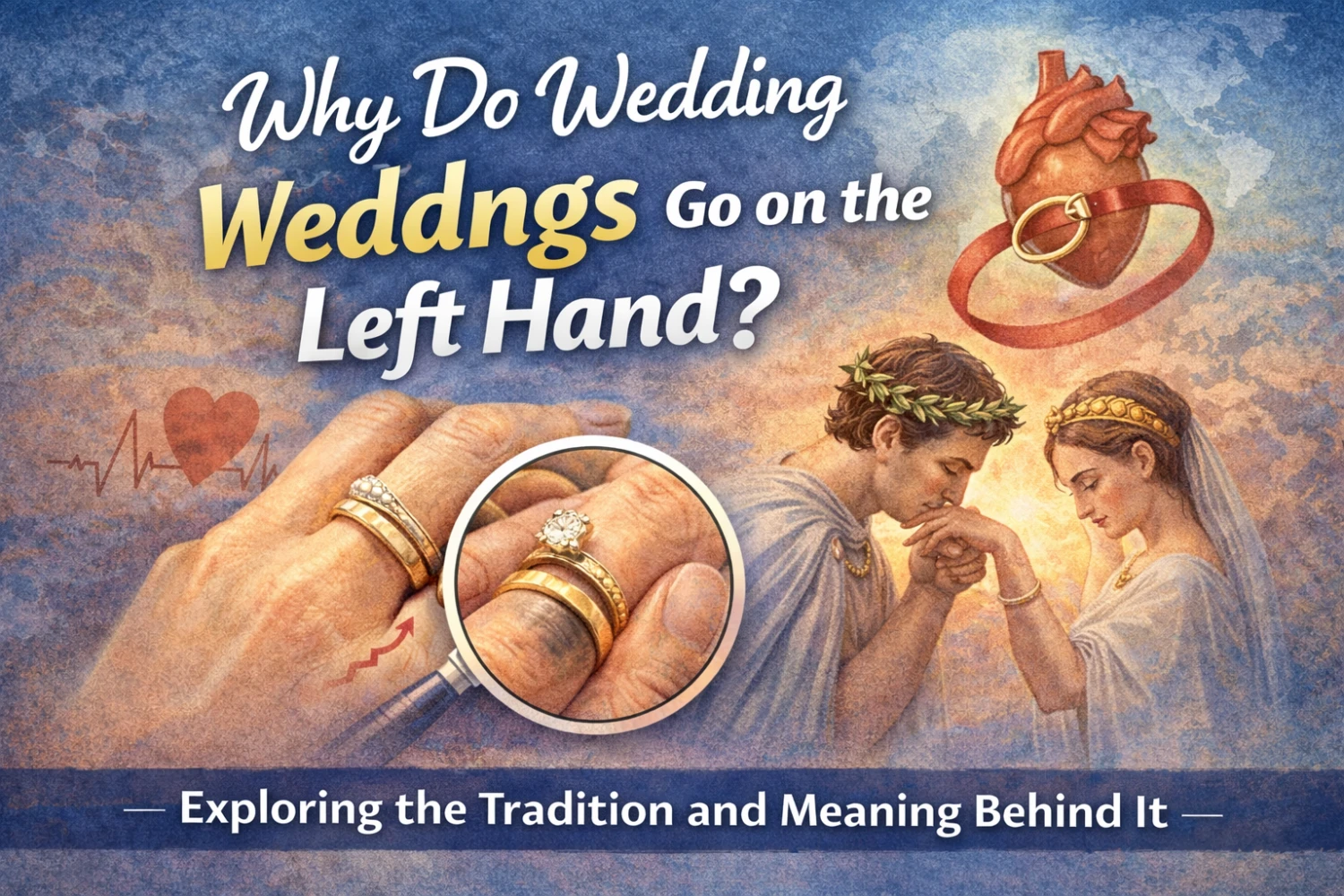
why do wedding rings go on left hand
Related products

Private Label 14K Yellow Gold White Cubic Zircon Anklet

14K Yellow Gold White Cubic Zircon Anklet Custom Jewelry
Contact Us For Custom Jewelry
Please get in touch with us and share your ideas if you have personalized jewelry or are searching for a private label jewelry manufacturer. In accordance with your suggestions, we will make and present genuine jewelry.
Drop Us a Line
Scan QR Code
for immediate contact



Contacts
-
Address
FF-206, Kishanpole Bazar, Jaipur, Rajasthan
-
Phone / WhatsApp
+91 9216779317
-
Email
My Account
Subscribe to our newsletter for regular updates about Offers, Coupons & more
-
Address
FF-206, Kishanpole Bazar, Jaipur, Rajasthan
-
Phone
+91 9216779317
-
Email
-
For Order Related Query
Please get in touch with the above mentioned number on whatsapp only
-
Opening Hours
Monday to Sunday | 10:00 AM to 7:00 PM