

How to Identify Raw Moonstone: Real vs Fake Explained?
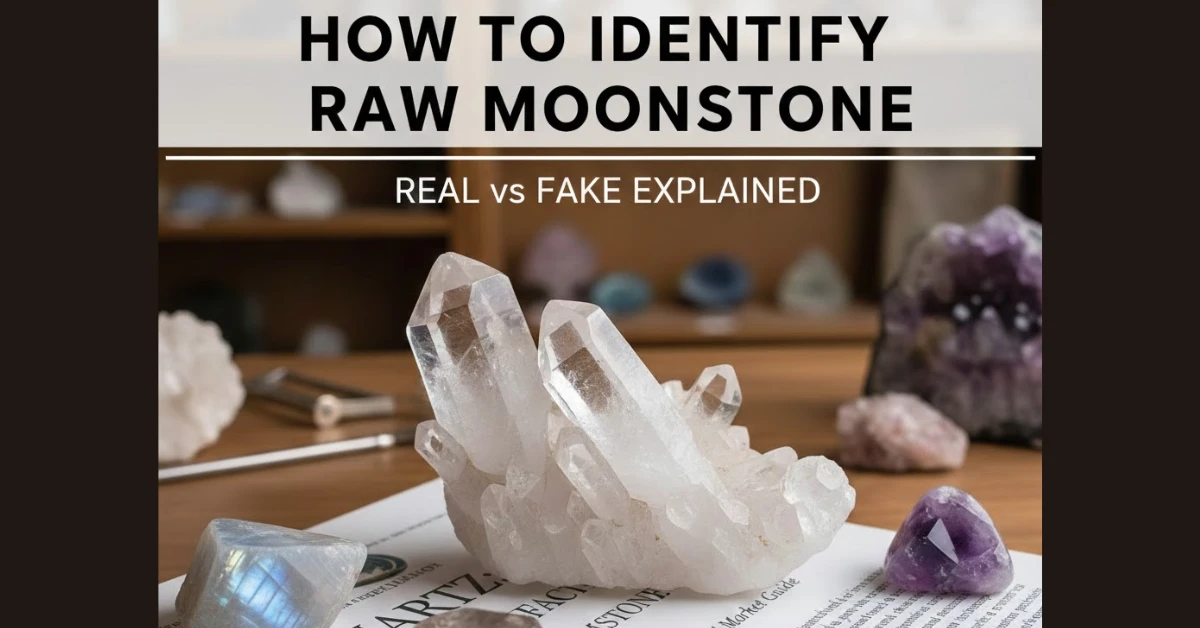
How to Identify Raw Moonstone: Real vs Fake Explained?
Raw moonstone is admired for its soft glow, natural texture, and mystical appearance. Whether you’re a gemstone buyer, crystal collector, or jewelry enthusiast, knowing how to identify real raw moonstone is essential. The market today is flooded with imitations, dyed stones, and glass look-alikes that can easily confuse beginners.
This guide explains how to identify raw moonstone, how to tell real vs fake, and what visual, physical, and practical tests actually work. In the end, you’ll know what to look for before spending your money.
What Is Raw Moonstone?
Raw moonstone is a natural gemstone in its unpolished, untreated form. It belongs to the feldspar mineral group and is valued for its unique optical effect called adularescence a soft, glowing sheen that appears to float beneath the surface.
Unlike polished moonstone, raw moonstone looks rough, uneven, and earthy. Its beauty is subtle rather than shiny, which makes identification trickier but also more rewarding.
Why Fake Raw Moonstone Is So Common?
Moonstone is popular in spiritual, jewelry, and crystal markets. Because high-quality moonstone can be expensive, many sellers substitute it with cheaper materials like glass, opalite, or dyed feldspar.
These fakes are often sold as “natural moonstone” to untrained buyers. Raw stones are especially easy to fake because people expect them to look imperfect.
The Key Feature of Real Moonstone: Adularescence
The most important identifier of real moonstone is adularescence. This appears as a soft, internal glow that moves when the stone is tilted under light.
In raw moonstone, adularescence is usually subtle, not flashy. It may appear bluish, white, or silvery and seems to come from inside the stone rather than the surface.
How Adularescence Differs in Fake Stones?
Fake moonstones often show surface shine rather than internal glow. Glass and opalite may look glossy but lack depth.
In fake stones, the light reflection stays static and looks artificial. It doesn’t “float” or shift naturally as you move the stone.
Color of Real Raw Moonstone
Real raw moonstone typically appears milky white, off-white, gray, peach, or slightly transparent. Some may have faint blue or rainbow flashes.
The color is usually uneven and natural-looking. You may notice cloudy zones, mineral inclusions, or subtle color variations.
Color Red Flags That Indicate Fake Moonstone
Bright neon colors, overly intense blue glow, or perfectly clear transparency often indicate fake stones. Opalite, a common imitation, has a bright bluish glow that looks too smooth and glassy.
Dyed stones may show color pooling in cracks or unnatural saturation.
Natural moonstone never looks plastic-like.
Texture and Surface of Raw Moonstone
Real raw moonstone has a rough, uneven surface. You may see natural fractures, jagged edges, or grainy textures.
It does not feel perfectly smooth or symmetrical. The stone may have sharp points or dull, chalky areas depending on how it was mined.
Surface Clues That Suggest a Fake
Fake raw moonstone made from glass often feels too smooth, even in rough form. Molded glass may show rounded edges and uniform texture.
If the stone feels polished despite being sold as “raw,” it’s likely not genuine.
Weight and Density Test
Moonstone has a moderate density. When you hold it, it should feel solid but not unusually heavy.
Glass imitations often feel heavier than real moonstone of the same size. Plastic imitations feel noticeably lighter.
Temperature Test: A Simple At-Home Check
Real moonstone feels cool to the touch, especially when first picked up. This is common for natural gemstones.
Glass warms up quickly in your hand, while plastic feels warm almost immediately.
Transparency and Light Test
Hold the raw moonstone against a light source. Real moonstone often appears semi-translucent in parts, with cloudy internal structure.
You should not see clear, sharp light transmission like glass. Instead, light diffuses softly through the stone.
Inclusions: Nature’s Fingerprint
Real moonstone often contains inclusions such as tiny mineral lines, cloudy zones, or internal fractures.
These inclusions are random and irregular. They add authenticity and character. Fake stones often lack inclusions or have bubble-like patterns typical of glass.
Bubble Test for Glass Fakes
If you see round air bubbles inside the stone, it’s almost certainly glass. Natural moonstone does not contain perfectly round bubbles.
Use a magnifying glass or phone camera zoom to check. This is one of the clearest fake indicators.
Hardness Test (With Caution)
Moonstone has a Mohs hardness of about 6–6.5. It should not scratch easily with a fingernail but can be scratched by harder minerals.
Never perform aggressive scratch tests, as they can damage the stone. This test is best left to professionals.
Smell and Sound (Less Reliable but Useful)
When gently tapped together, real stones produce a dull, stone-like sound. Glass often produces a sharper, ringing sound.
Some fake stones may also emit a faint chemical smell when rubbed, unlike natural moonstone. These are secondary clues, not primary tests.
Raw Moonstone vs Opalite: Common Confusion
Opalite is the most common moonstone look-alike. It has a strong blue-orange glow and very smooth texture.
Opalite glow is surface-level and artificial-looking, while moonstone glow is internal and subtle. Opalite is man-made, not natural.
Can Raw Moonstone Be Dyed or Treated?
Yes, some low-quality feldspar is dyed and sold as moonstone. These stones often have uneven or unnatural colors.
True moonstone is usually untreated. Ask sellers directly about treatments and request transparency. Honest sellers disclose treatments.
Importance of Seller Reputation
Buying from reputable sellers reduces the risk of fakes. Look for sellers who provide clear photos, natural-light videos, and return policies.
Vague descriptions and stock photos are warning signs. Trustworthy sellers educate buyers.
Final Checklist: Real vs Fake Raw Moonstone
Real raw moonstone shows subtle internal glow, uneven texture, natural inclusions, and soft light diffusion. It feels cool, solid, and imperfect.
Fake stones look overly smooth, brightly colored, glassy, or bubble-filled. They lack depth and natural variation.
Final Answer: How to Identify Raw Moonstone
To identify real raw moonstone, focus on adularescence, natural texture, internal structure, and subtle beauty. Avoid stones that look too perfect, too shiny, or too colorful.
When in doubt, buy from trusted sellers and compare multiple indicators rather than relying on one test.
Conclusion
Raw moonstone is a beautiful, natural gemstone but only when it’s real. Understanding the differences between genuine moonstone and common fakes empowers you to buy confidently and avoid disappointment.
By learning to observe glow, texture, weight, and internal features, you can identify authentic raw moonstone even as a beginner. In gemstones, patience and knowledge are just as valuable as the stone itself.
Recent Posts

Gold Chain Manufacturers You Can Trust Suren Jewels

9K Gold Jewelry Manufacturer for US Brands

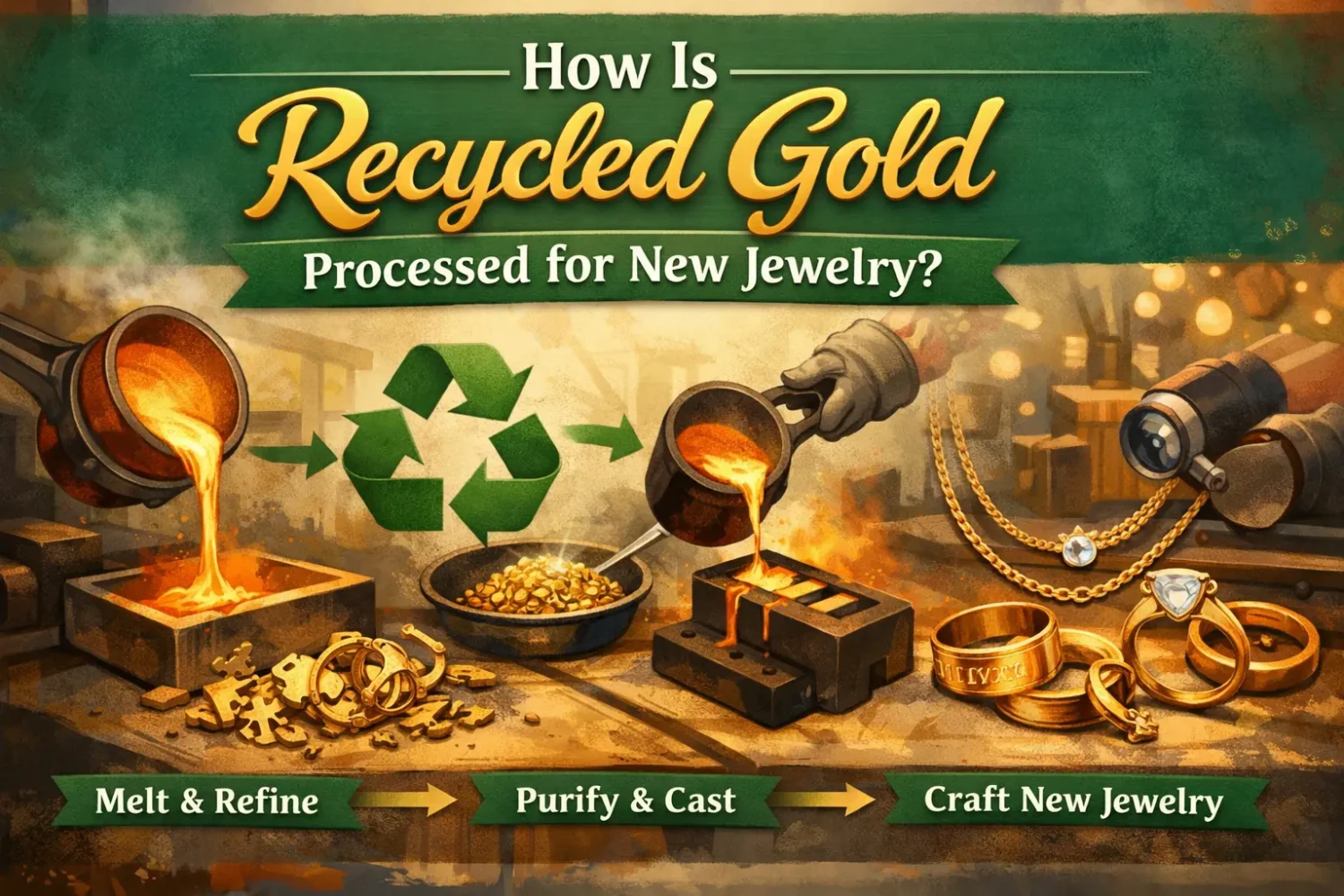
How Is Recycled Gold Processed for New Jewelry?

why do wedding rings go on left hand
Related products

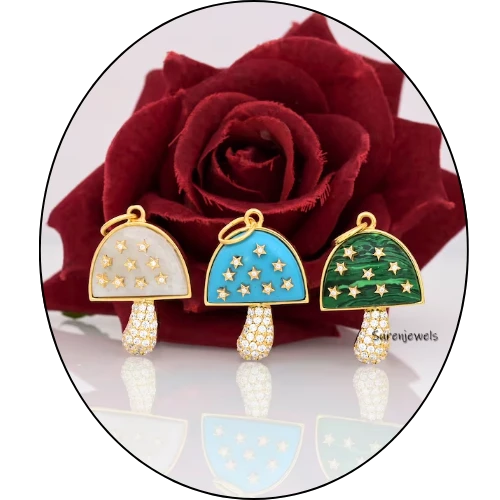
14k Gold Gemstone Mushroom Pendant, Magic Mushroom Charm, Wholesale Mushroom Jewelry
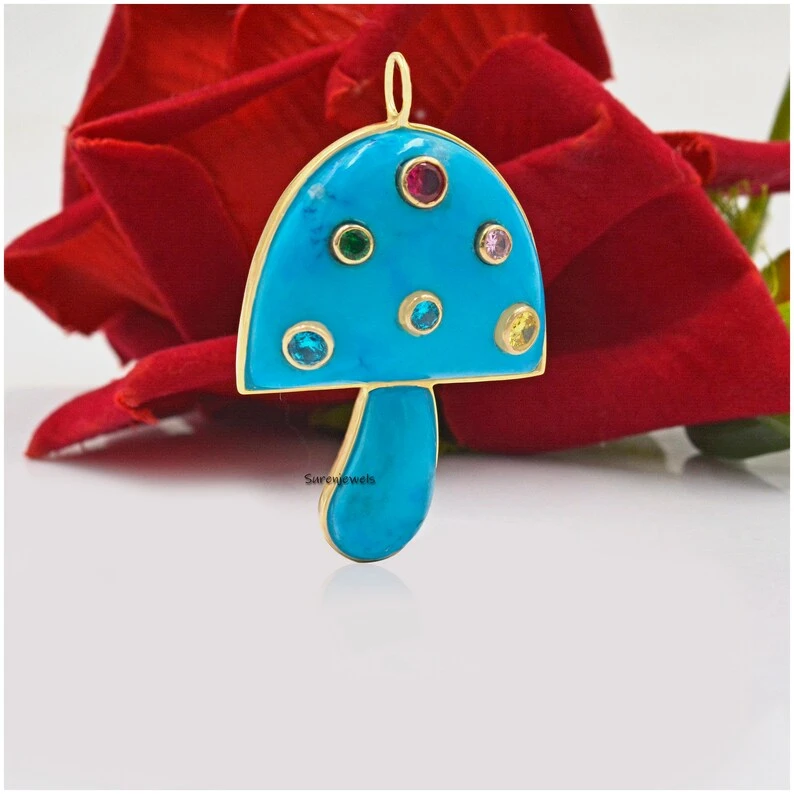

14K Yellow Gold Multi Sapphire Gemstone Blue Enamel Mushroom Pendant Manufacturer

14K Yellow Gold Amethyst & Multi Gemstone Mushroom Pendant Custom Jewelry

14K Yellow Gold Malachite, Rose Quartz & Multi Gemstone Mushroom Pendant Jewelry Supplier

Wholesale 14K Yellow Gold Turquoise & Multi CZ Mushroom Pendant Jewelry
Wholesale 925 Silver Yellow Gold Plated Turquoise & Multi CZ Mushroom Pendant

14K Solid Gold Pave Gemstone Mushroom Pendant – Wholesale
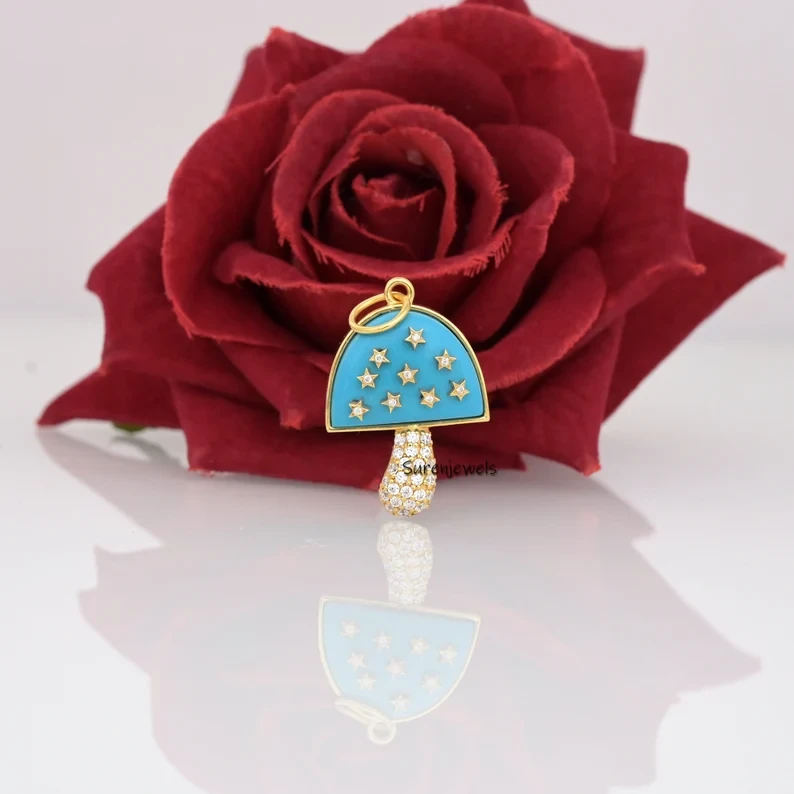
925 Silver Gold Plated Pave Gemstone Mushroom Pendant – Wholesale
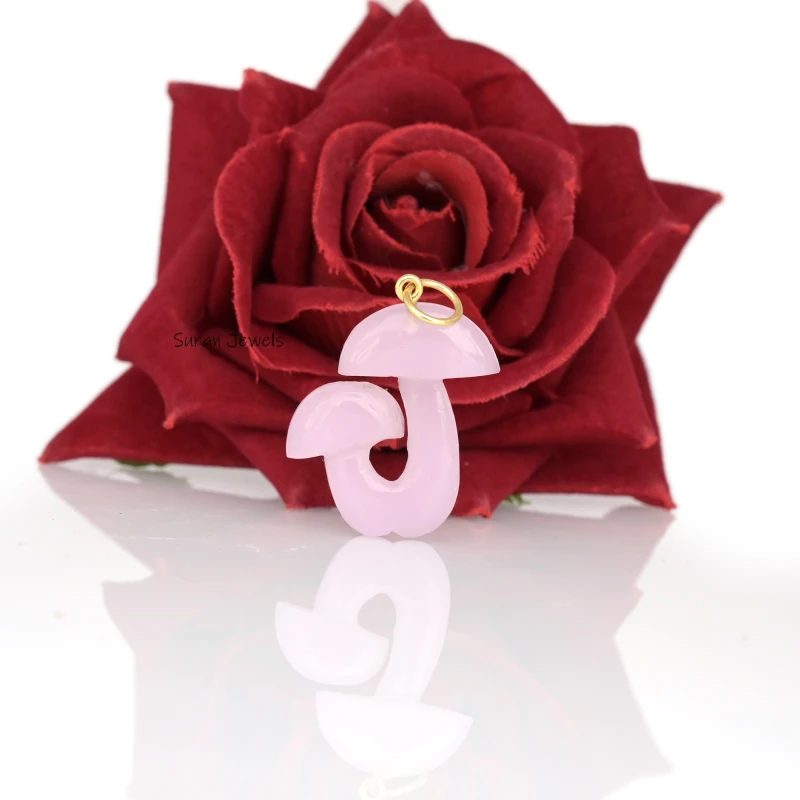
Gold Amazonite Mushroom Pendant – Hand-Carved Gemstone Amulet with 14K Gold
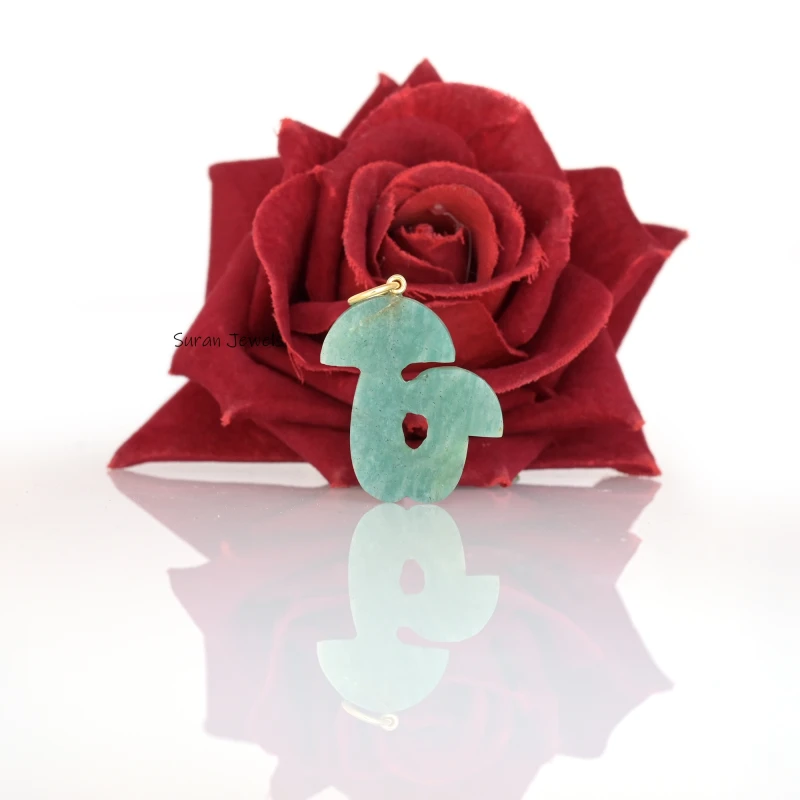
925 Sterling Silver Yellow Gold Plated Amazonite Mushroom Pendant Manufacturer

14K Yellow Gold Malachite And Moissanite Mushroom Pendant Custom Jewelry

Wholesale 14K Yellow Gold Pink Opal & Light & Pink Sapphire Mushroom Pendant Jewelry

14K Yellow Gold Malachite & Multi Baguettes Stone Mushroom Pendant USA
Contact Us For Custom Jewelry
Please get in touch with us and share your ideas if you have personalized jewelry or are searching for a private label jewelry manufacturer. In accordance with your suggestions, we will make and present genuine jewelry.
Drop Us a Line
Scan QR Code
for immediate contact



Contacts
-
Address
FF-206, Kishanpole Bazar, Jaipur, Rajasthan
-
Phone / WhatsApp
+91 9216779317
-
Email
My Account
Subscribe to our newsletter for regular updates about Offers, Coupons & more
-
Address
FF-206, Kishanpole Bazar, Jaipur, Rajasthan
-
Phone
+91 9216779317
-
Email
-
For Order Related Query
Please get in touch with the above mentioned number on whatsapp only
-
Opening Hours
Monday to Sunday | 10:00 AM to 7:00 PM