

Does Sterling Silver Tarnish in Water? Truth Explained
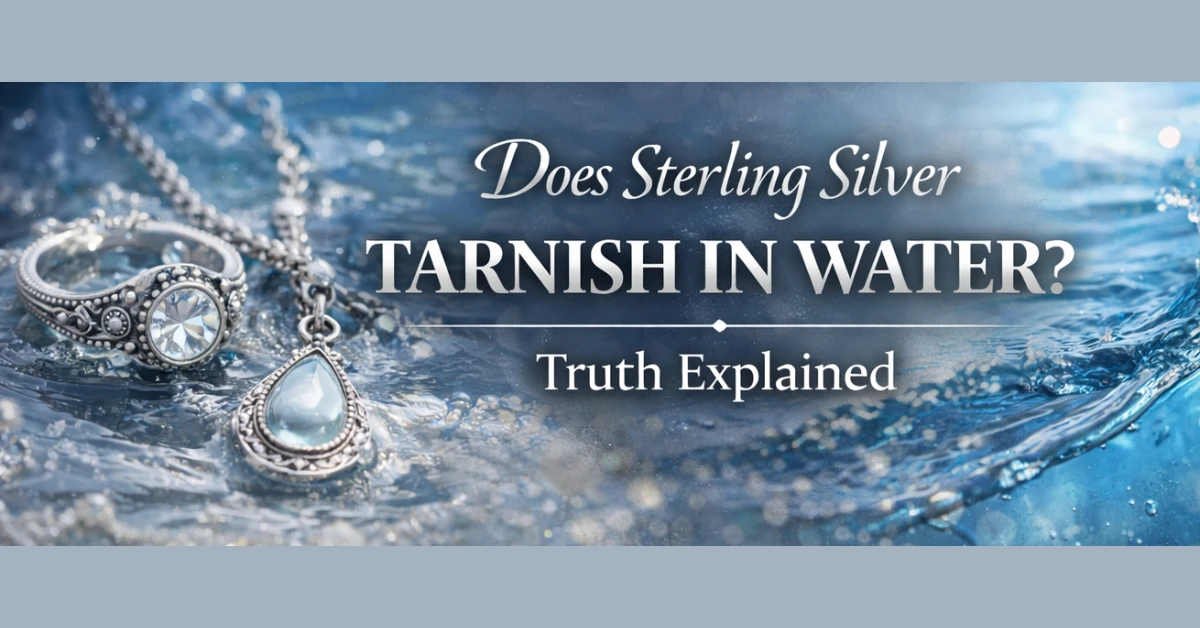
Does Sterling Silver Tarnish in Water? Truth Explained
Sterling silver is one of the most popular jewelry metals in the world, valued for its shine, affordability, and everyday wearability. Yet one question consistently confuses buyers and wearers alike: does sterling silver tarnish in water?Many people worry that simple exposure to water can ruin their jewelry.
The truth is more nuanced. Sterling silver does tarnish, but water alone is not the main cause. Understanding what actually triggers tarnish and how water plays a role can help you care for your silver properly and extend its life.
What Is Sterling Silver Made Of?
Sterling silver is not pure silver. It is an alloy made of 92.5% pure silver and 7.5% other metals, most commonly copper. This blend makes the metal stronger and more durable for jewelry.
Pure silver is too soft for daily use, which is why copper is added. However, copper is reactive, and this reactivity is what leads to tarnishing over time.
What Exactly Is Tarnish?
Tarnish is a thin, dark layer that forms on the surface of sterling silver. It appears as yellowing, dullness, or black discoloration. Tarnish is not rust, and it does not damage the metal permanently.
Chemically, tarnish occurs when silver reacts with sulfur compounds in the air or environment. These compounds are commonly found in pollution, sweat, and household products.
Does Water Itself Cause Tarnish?
No clean water alone does not cause sterling silver to tarnish. If you rinse sterling silver in pure water and dry it properly, no damage occurs.
The problem arises because most water is not pure. Tap water contains minerals, chlorine, and sometimes sulfur traces. When combined with heat and moisture, these elements can accelerate tarnishing.
Why Sterling Silver Tarnishes Faster in Water Environments?
Water often acts as a catalyst rather than a cause. When sterling silver is exposed to moisture for long periods, it creates the ideal environment for chemical reactions.
Bathrooms, showers, and humid climates expose silver to moisture plus sulfur compounds from soaps and shampoos. This combination speeds up oxidation and tarnish formation.
That’s why silver stored in bathrooms tarnishes faster than silver.
Does Showering Cause Sterling Silver to Tarnish?
Yes, showering can speed up tarnishing but not because of water alone. Soap, shampoo, body wash, and hard water minerals are the real culprits.
These products leave residue on silver, which builds up in crevices and chain links. Over time, this residue reacts with the metal and dulls its surface.
What About Swimming Pools and Chlorine?
Chlorine is particularly harsh on sterling silver. Swimming pools and some tap water supplies contain chlorine, which reacts aggressively with silver alloys.
Repeated exposure can cause rapid discoloration and may weaken clasps or thin components over time. This is one of the fastest ways to dull sterling silver.
Silver jewelry should always be removed before swimming.
Can Sterling Silver Tarnish in Salt Water?
Yes, salt water can accelerate tarnish. Salt increases conductivity, which speeds up chemical reactions on the silver’s surface.
Ocean water contains salt, minerals, and organic compounds that promote oxidation. While a quick splash won’t destroy silver, repeated exposure without cleaning will darken it quickly.
Why Some Sterling Silver Tarnishes Faster Than Others?
Not all sterling silver tarnishes at the same rate. Factors include alloy composition, finishing quality, and environmental exposure.
Higher-quality sterling silver with a smooth finish tarnishes more slowly. Rough surfaces, intricate designs, and hollow links trap moisture and residue, increasing tarnish risk.
Can Tarnish Be Removed?
Yes tarnish is completely removable. Sterling silver can be cleaned and restored to its original shine using proper methods.
Silver polishing cloths work well for light tarnish. For deeper tarnish, mild soap, baking soda solutions, or professional cleaning may be needed.
Does Tarnish Mean the Silver Is Fake?
No. Tarnishing is actually a sign of real sterling silver. Fake silver or stainless steel often does not tarnish in the same way.
Many people mistakenly believe blackened silver is low quality. In reality, genuine sterling silver naturally reacts with its environment.
How to Prevent Sterling Silver Tarnish From Water?
The best prevention is minimizing prolonged moisture exposure. Remove silver jewelry before showering, swimming, or washing dishes.
After accidental water contact, rinse with clean water and dry thoroughly with a soft cloth. Never air-dry silver, as lingering moisture promotes oxidation.
Proper Storage Makes a Huge Difference
Storing sterling silver correctly is one of the most effective ways to prevent tarnish. Keep it in airtight pouches or zip-lock bags when not worn.
Avoid humid areas like bathrooms. Anti-tarnish strips or silica gel packets help absorb moisture and sulfur in the air.
Can You Wear Sterling Silver Every Day?
Yes, daily wear is actually beneficial in many cases. Natural skin oils can help slow tarnishing when silver is worn regularly.
Problems arise when silver is exposed to chemicals, sweat buildup, or moisture without cleaning. Light daily wear with proper care keeps silver looking good.
Is Oxidized Sterling Silver Different?
Oxidized sterling silver is intentionally darkened for design purposes. Tarnish still occurs, but it’s less noticeable because the finish is already dark.
Moisture can still affect joints and clasps. Even oxidized silver benefits from proper drying and storage.
Myths About Sterling Silver and Water
A common myth is that water instantly ruins sterling silver. This is false. Another myth is that tarnish means poor quality.
Sterling silver is durable and resilient. With basic care, it can last decades even with occasional water exposure.
Who Should Be Extra Careful With Water?
People living in humid climates, swimmers, gym-goers, and those using strong skincare products should be extra cautious.
If you prefer silver jewelry to stay bright and polished, remove it before water exposure. If you like a natural patina, occasional exposure may not bother you.
Final Answer: Does Sterling Silver Tarnish in Water?
Sterling silver does not tarnish because of water alone, but water combined with minerals, chemicals, and humidity can accelerate tarnishing. Showering, swimming, and humid storage are the biggest contributors.
Tarnish is natural, removable, and not permanent. With simple habits like drying, proper storage, and occasional cleaning, sterling silver remains beautiful for years.
Conclusion
Sterling silver tarnishing is a natural chemical process not a defect. Water itself is harmless, but real-world water conditions often include elements that speed up tarnish. Knowing this allows you to protect your jewelry without overthinking it.
With informed care, sterling silver can be worn daily, cleaned easily, and enjoyed for a lifetime. The key is awareness, not avoidance.
Recent Posts


Gold Chain Manufacturers You Can Trust Suren Jewels

9K Gold Jewelry Manufacturer for US Brands
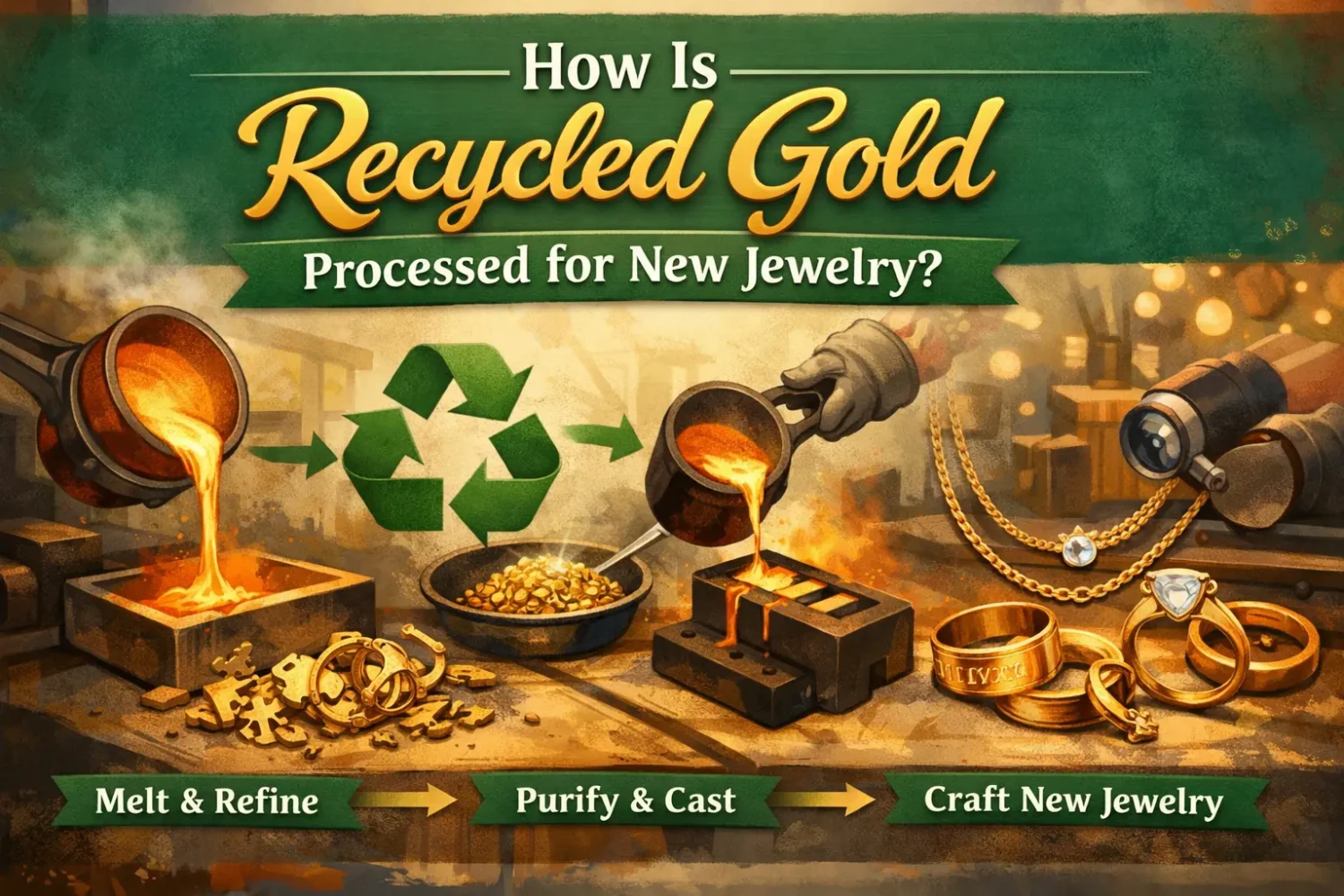
How Is Recycled Gold Processed for New Jewelry?

why do wedding rings go on left hand
Related products
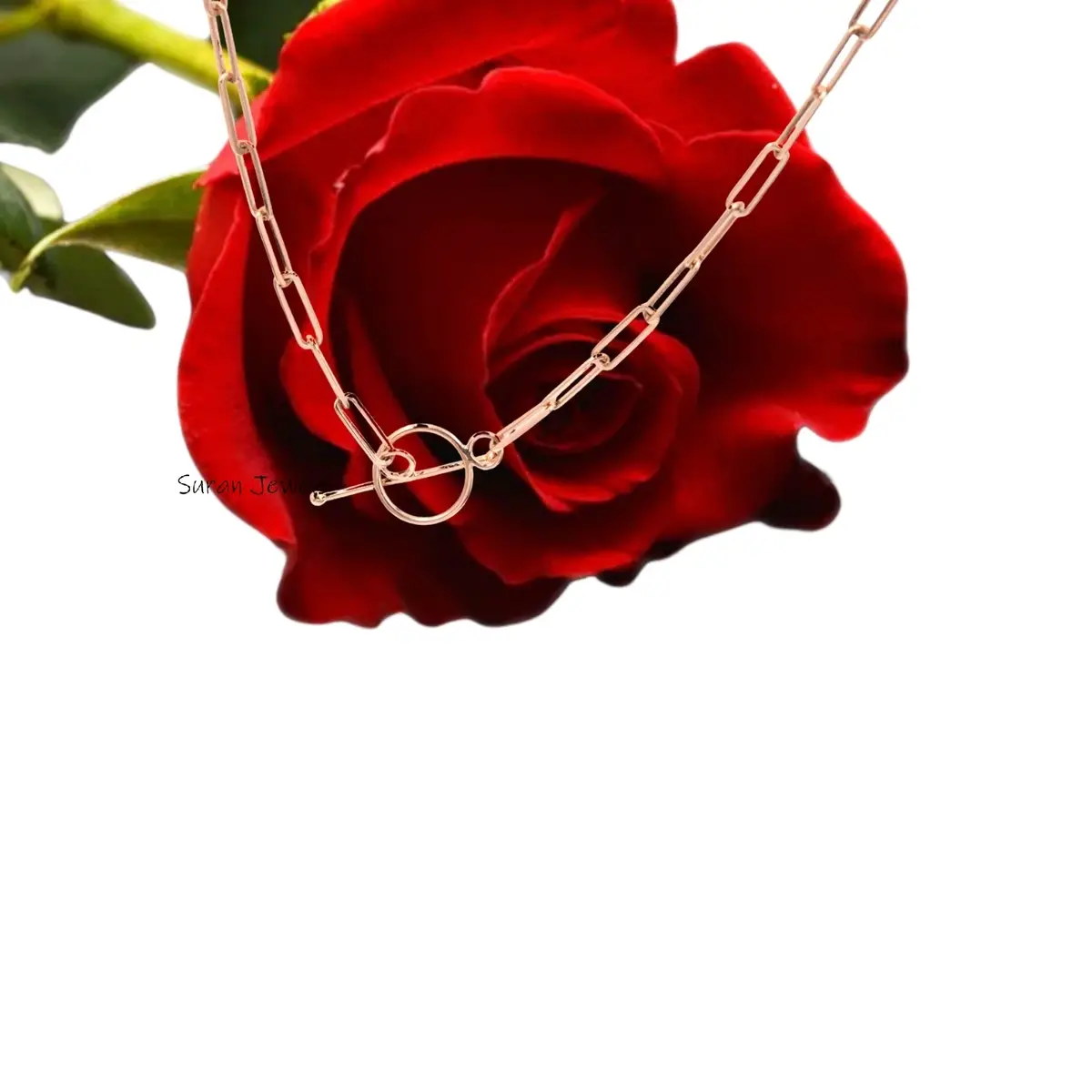

Pave Diamond Lobster Clasp Necklace – 14K Gold Chain With Lobster Clasp Necklace


14K White Gold Twist Chain Necklace Handmade Jewelry Supplier

14K Yellow Gold Satin finish Chain Necklace Manufacturer

14K Yellow Gold Oval Link Adjustable Chain Custom Jewelry

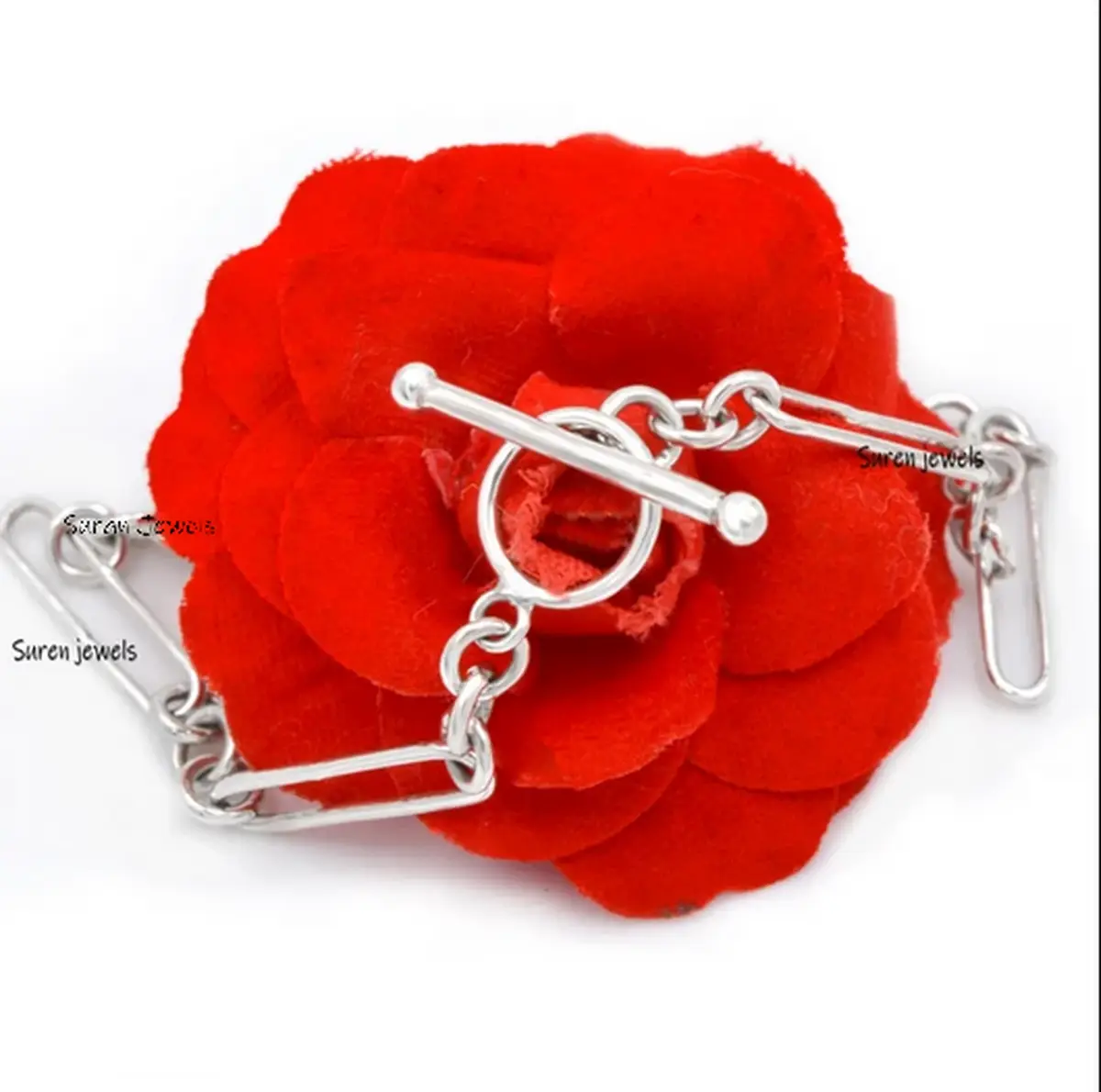
Wholesale 14K White Gold Paperclip Chain Necklace With Toggle Clasp Jewelry
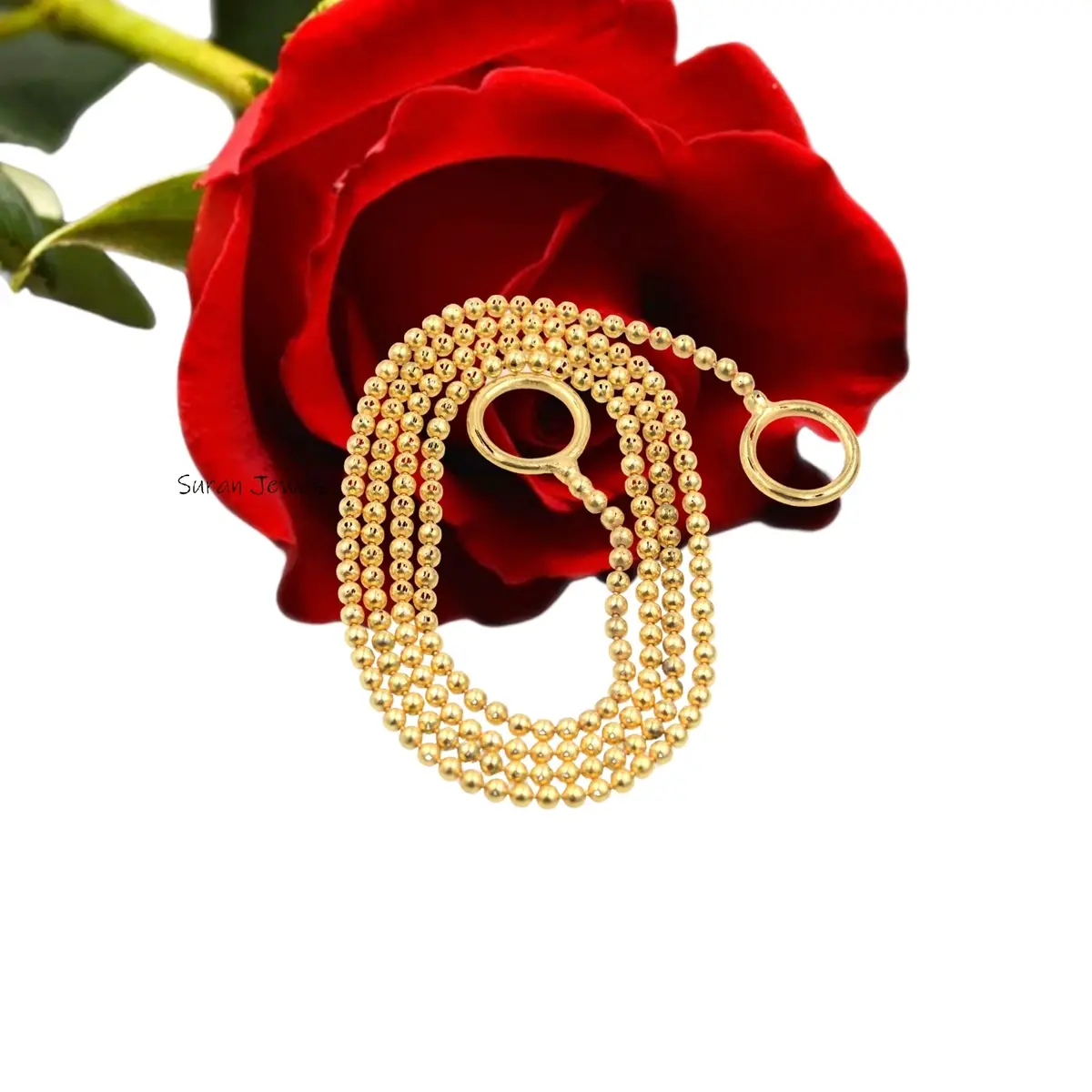
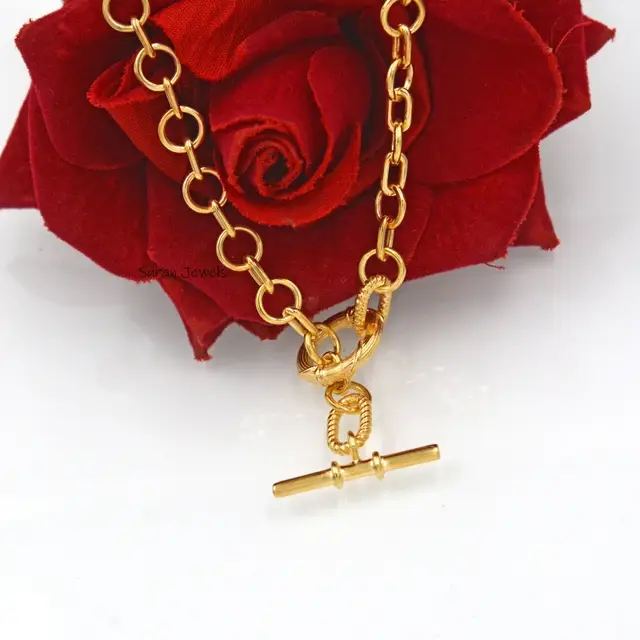
14K Gold Round & Paperclip Chain Necklace – Rose & Yellow Gold Chain

14K Yellow Gold Paperclip Chain Necklace Custom Jewelry

14K Solid Yellow Gold Link Chain Jewelry Supplier

Private Label 14K Yellow Gold Plain Chain Necklace Jewelry

14K Gold Twisted Rope Chain – Elegant Wholesale Gold Chain Jewelry

14K White Gold Curb Chain Necklace Manufacturer

14K Gold Oval Chain Necklace – Perfect for Carabiners & Charms
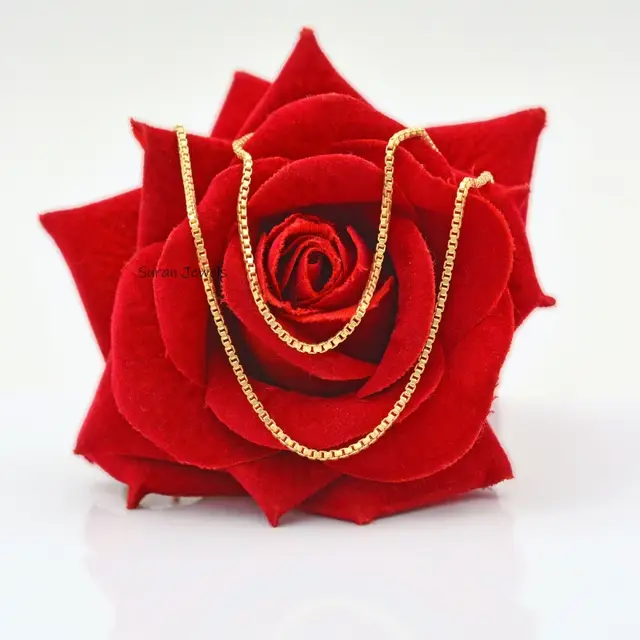
14K Gold Square Box Chain Necklace – Handmade White & Yellow Gold Chain

Wholesale 14K Yellow Gold Adjustable Link Chain Necklace
Contact Us For Custom Jewelry
Please get in touch with us and share your ideas if you have personalized jewelry or are searching for a private label jewelry manufacturer. In accordance with your suggestions, we will make and present genuine jewelry.
Drop Us a Line
Scan QR Code
for immediate contact



Contacts
-
Address
FF-206, Kishanpole Bazar, Jaipur, Rajasthan
-
Phone / WhatsApp
+91 9216779317
-
Email
My Account
Subscribe to our newsletter for regular updates about Offers, Coupons & more
-
Address
FF-206, Kishanpole Bazar, Jaipur, Rajasthan
-
Phone
+91 9216779317
-
Email
-
For Order Related Query
Please get in touch with the above mentioned number on whatsapp only
-
Opening Hours
Monday to Sunday | 10:00 AM to 7:00 PM