

Can Tarnished Earrings Cause Infection? Causes, Risks, and Prevention Explained
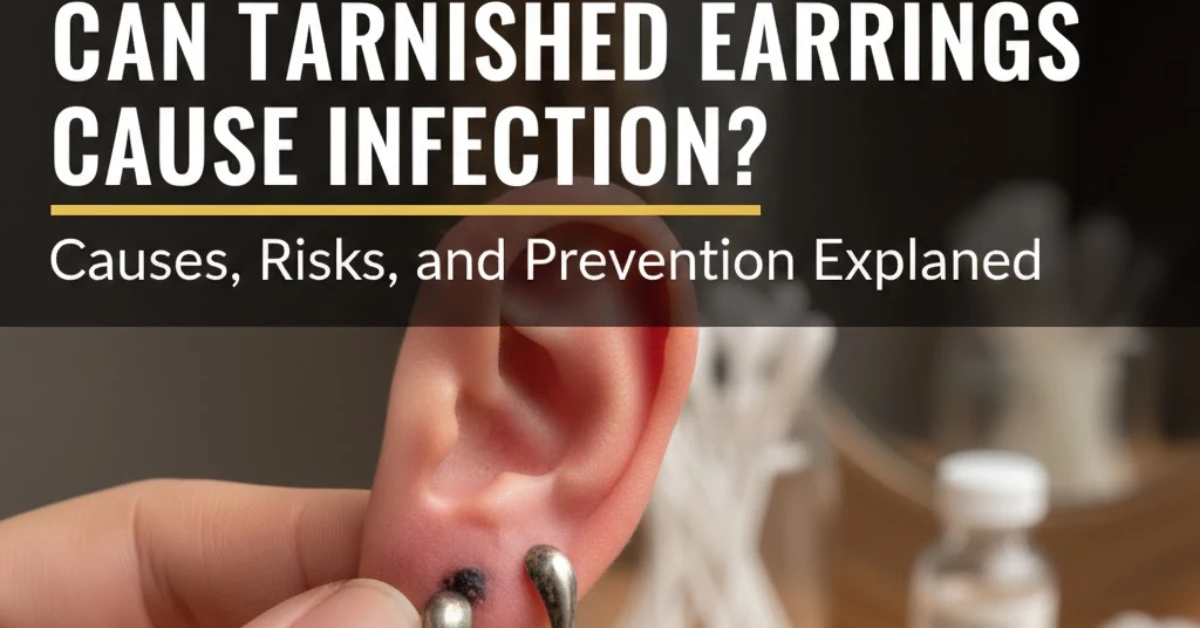
Can Tarnished Earrings Cause Infection? Causes, Risks, and Prevention Explained
Earrings are worn close to the skin and, in many cases, through pierced ears. Because of this direct contact, their condition matters more than many people realize. One common concern among jewelry wearers is whether tarnished earrings can cause infections or irritation.
The short answer is yes, tarnished earrings can increase the risk of infection, especially in sensitive or newly pierced ears. Understanding why this happens, how to identify risk signs, and how to prevent problems can help you wear earrings safely and comfortably.
What Does “Tarnished” Mean in Earrings?
Tarnish is a surface discoloration that forms on certain metals over time. It often appears as a dark, dull, or greenish layer on earrings. Tarnish commonly occurs on metals like sterling silver, brass, copper, and plated jewelry.
Tarnish itself is not bacteria, but it indicates a chemical reaction between the metal and air, moisture, or skin oils. This reaction can create residues that irritate the skin.
Can Tarnished Earrings Directly Cause an Infection?
Tarnished earrings do not automatically cause infections, but they create conditions that increase infection risk. Tarnish can make the metal surface rough or flaky, which allows bacteria to cling more easily.
When earrings with tarnish are inserted into piercings, especially fresh ones, they can introduce bacteria into tiny cuts or irritated skin. This can lead to redness, swelling, pain, or discharge.
Infections usually result from bacteria not the tarnish itself but tarnish makes bacterial exposure more likely.
Why Pierced Ears Are More Vulnerable?
Ear piercings are small wounds, even after they heal. The skin inside a piercing is delicate and more sensitive than surrounding skin. Any irritation or contamination can easily disrupt this area.
Tarnished earrings can cause micro-abrasions when inserted or moved. These small injuries allow bacteria to enter the skin more easily.
Signs That Tarnished Earrings Are Causing a Problem
Common warning signs include redness, itching, swelling, soreness, or warmth around the piercing. In more serious cases, you may notice yellow or green discharge, crusting, or persistent pain.
Some people mistake early infection symptoms for simple irritation. However, if discomfort worsens instead of improving, it’s a sign that the earrings may be contributing to the issue.
Tarnish vs Metal Allergy: Know the Difference
It’s important to distinguish between infection and metal allergy. Tarnished earrings can trigger allergic reactions, especially if they contain nickel, copper, or low-quality alloys.
Allergic reactions cause itching, redness, and dryness rather than pus or swelling. Infections usually involve pain, heat, and discharge.
Are Certain Metals More Likely to Cause Infections When Tarnished?
Yes, some metals are riskier than others. Earrings made from sterling silver, brass, copper, or plated metals tarnish more easily and are more likely to irritate skin when not properly maintained.
Low-quality or costume jewelry often lacks protective coatings, allowing oxidation and bacterial buildup. These are more problematic for sensitive ears.
What About Sterling Silver Earrings?
Sterling silver tarnishes naturally due to its copper content. While sterling silver is generally safe, tarnished sterling silver can irritate piercings if not cleaned.
The tarnish itself isn’t toxic, but residue buildup can trap bacteria. This is especially problematic if earrings are worn continuously without cleaning.
Can Tarnished Earrings Cause Infection in Healed Piercings?
Yes, even healed piercings can become infected. While healed ears are more resilient, prolonged exposure to irritation or bacteria can still cause infection.
Tarnished earrings worn daily without cleaning increase the chance of bacteria transfer. Sleeping, sweating, or showering with tarnished earrings further raises risk.
How Moisture and Sweat Increase the Risk?
Moisture plays a major role in infection risk. Sweat, humidity, and water exposure create an ideal environment for bacteria to grow.
Tarnished earrings worn during workouts, sleep, or showers are more likely to cause irritation. Moisture also accelerates metal reactions, making tarnish worse.
Can Children and Sensitive Ears Be Affected More?
Yes. Children and people with sensitive skin are more vulnerable to irritation and infection from tarnished earrings. Their skin reacts more quickly to metal residues and bacteria.
For children, low-quality earrings or tarnished studs can lead to repeated infections. Using hypoallergenic materials is especially important in these cases.
How to Safely Clean Tarnished Earrings?
Cleaning tarnished earrings reduces infection risk significantly. Mild soap and warm water can remove surface residue. For silver, a silver-polishing cloth works well.
Disinfecting earrings with rubbing alcohol before wearing helps kill bacteria. Earrings should always be completely dry before insertion.
When Should You Stop Wearing Tarnished Earrings?
If you experience pain, swelling, discharge, or persistent redness, stop wearing the earrings immediately. Continuing to wear them can worsen the condition.
Remove the earrings, clean the area gently, and allow the skin to rest. If symptoms do not improve within a day or two, professional medical advice may be needed.
Best Earring Materials to Prevent Infection
Certain materials are much safer for piercings. High-quality metals like surgical stainless steel, solid gold (14K+), titanium, and medical-grade materials are least likely to cause infection.
These metals resist tarnish and bacterial buildup. They are ideal for daily wear and sensitive ears.
How Often Should Earrings Be Cleaned?
Earrings worn daily should be cleaned at least once a week. Earrings worn occasionally should be cleaned before each use.
Piercing posts and backs need special attention, as bacteria accumulate there most easily. Regular cleaning prevents both tarnish and infection.
Can Infections From Earrings Become Serious?
Most earring-related infections are mild, but untreated infections can worsen. Severe cases may lead to abscesses or spreading skin infections.
While rare, complications can occur if infections are ignored. Early cleaning, removal of problematic earrings, and proper care prevent escalation.
Myths About Tarnished Earrings and Infections
A common myth is that tarnish itself is poisonous. Tarnish is not toxic, but it signals conditions that may irritate skin or harbor bacteria.
Another myth is that only new piercings get infected. In reality, any piercing can be affected if exposed to irritation.
Who Should Be Most Careful With Tarnished Earrings?
People with new piercings, sensitive skin, metal allergies, or weakened immune systems should be especially cautious. Children also fall into this category.
If you belong to these groups, avoid tarnished or low-quality earrings altogether.
Final Answer: Can Tarnished Earrings Cause Infection?
Yes, tarnished earrings can contribute to ear infections, especially when worn in piercings. While tarnish itself doesn’t cause infection, it increases irritation, bacterial buildup, and skin damage, which can lead to infection.
Regular cleaning, choosing high-quality metals, and avoiding moisture exposure greatly reduce risk. Paying attention to early warning signs helps prevent serious problems.
Conclusion
Tarnished earrings are more than just a cosmetic issue. When worn in piercings, they can irritate the skin and increase the risk of infection. Understanding how tarnish forms and how it affects your ears allows you to take simple, effective precautions.
Clean earrings, safe materials, and mindful wear habits keep piercings healthy and comfortable. Jewelry should enhance your style not compromise your health.
Recent Posts


Gold Chain Manufacturers You Can Trust Suren Jewels


9K Gold Jewelry Manufacturer for US Brands

How Is Recycled Gold Processed for New Jewelry?

why do wedding rings go on left hand
Related products

Private Label 14K Yellow Gold White Cubic Zircon Anklet

14K Yellow Gold White Cubic Zircon Anklet Custom Jewelry
Contact Us For Custom Jewelry
Please get in touch with us and share your ideas if you have personalized jewelry or are searching for a private label jewelry manufacturer. In accordance with your suggestions, we will make and present genuine jewelry.
Drop Us a Line
Scan QR Code
for immediate contact



Contacts
-
Address
FF-206, Kishanpole Bazar, Jaipur, Rajasthan
-
Phone / WhatsApp
+91 9216779317
-
Email
My Account
Subscribe to our newsletter for regular updates about Offers, Coupons & more
-
Address
FF-206, Kishanpole Bazar, Jaipur, Rajasthan
-
Phone
+91 9216779317
-
Email
-
For Order Related Query
Please get in touch with the above mentioned number on whatsapp only
-
Opening Hours
Monday to Sunday | 10:00 AM to 7:00 PM