

Does Silver Have Healing Properties? Ancient Beliefs and Modern Truth Explained
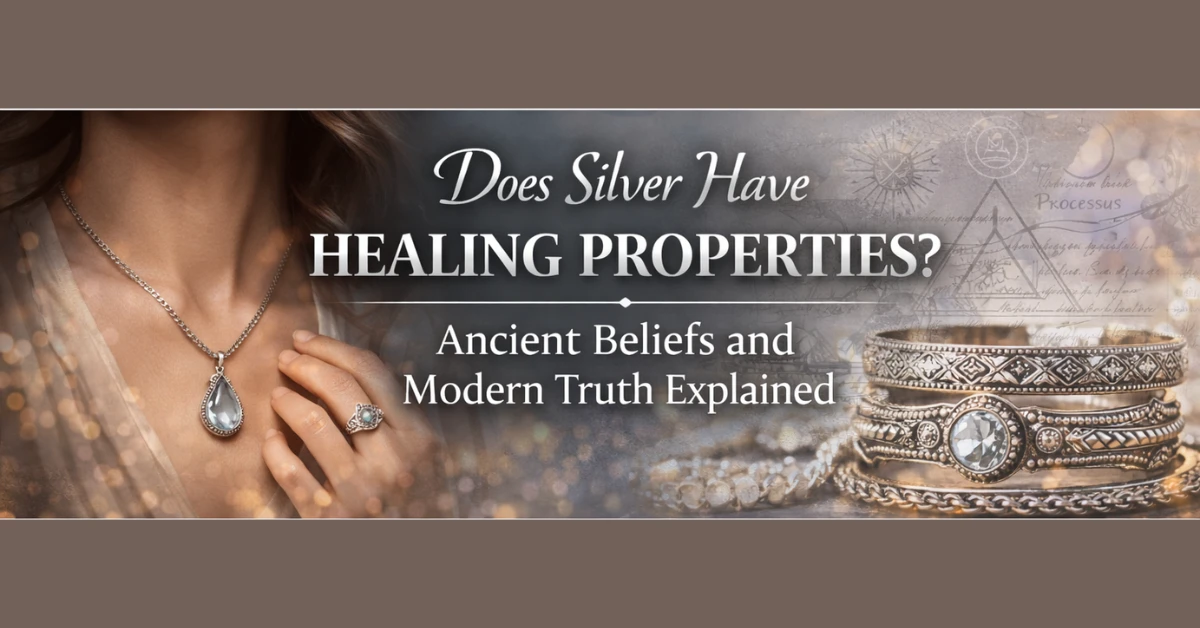
Does Silver Have Healing Properties? Ancient Beliefs and Modern Truth Explained
Silver has fascinated humans for thousands of years not only for its beauty but also for its perceived healing powers. From ancient civilizations to traditional medicine systems, silver has been used for health, protection, and purification. Even today, many people believe that wearing or using silver can positively affect the body and mind.
But does silver truly have healing properties, or is it mostly symbolic? The answer lies somewhere between tradition and science. Understanding both perspectives helps separate myths from facts while appreciating why silver continues to hold a special place in wellness practices.
Historical Use of Silver in Healing
Historically, silver was widely used long before modern medicine existed. Ancient Greeks, Romans, and Egyptians used silver vessels to store water, believing it kept liquids fresh and safe. This practice wasn’t accidental it was based on observation that water stored in silver stayed cleaner longer.
In traditional cultures, silver was associated with purity and protection. It was used in coins, utensils, ornaments, and even wound dressings. These early uses laid the foundation for silver’s reputation as a healing metal.
Silver in Traditional Medicine Systems
In Ayurveda and other traditional healing systems, silver is described as a cooling and balancing metal. It is believed to calm excess heat in the body and support emotional and physical balance. Silver foils and vessels were traditionally used in food and medicine preparation.
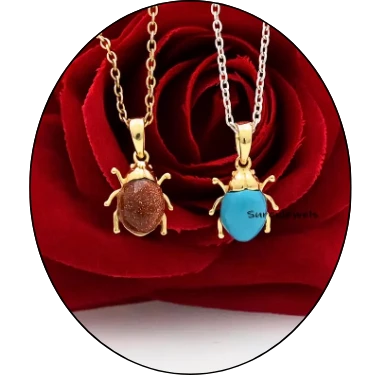
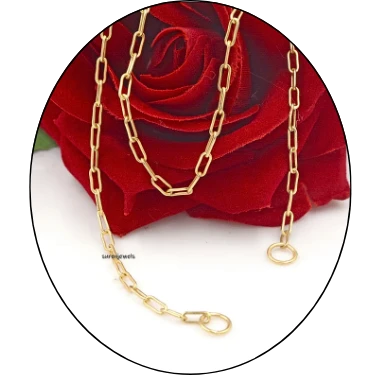
Silver jewelry, such as rings, bangles, and anklets, has long been worn for its believed calming and protective effects. These practices were often linked to energy balance rather than direct physical healing.
The Science Behind Silver’s Antimicrobial Properties
From a modern scientific standpoint, silver is known for its antimicrobial properties. Silver ions can inhibit the growth of bacteria, fungi, and some viruses. This is why silver is still used today in wound dressings, catheters, and medical coatings.
Silver ions disrupt microbial cell processes, preventing bacteria from multiplying. This makes silver effective in preventing infection when used externally in medical settings.
Does Wearing Silver Heal the Body?
Many people believe that wearing silver jewelry helps improve health, circulation, or energy balance. Scientifically, there is no direct evidence that wearing silver heals internal organs or cures diseases.
Wearing silver is generally safe and skin-friendly. Some people report feeling calmer or more balanced while wearing silver, which may be due to psychological comfort rather than chemical interaction.
Silver and Skin Health
Silver is widely used in dermatology and skincare for its antibacterial properties. Silver-infused creams, bandages, and textiles help prevent infection and promote wound healing.
For jewelry wearers, silver is hypoallergenic and less likely to cause skin irritation compared to many artificial metals. This makes silver a good choice for people with sensitive skin.
Silver and Emotional or Mental Well-Being
In traditional belief systems, silver is associated with calmness, emotional balance, and the Moon. Wearing silver is thought to soothe anxiety, reduce stress, and stabilize emotions.
From a psychological perspective, meaningful objects can act as grounding tools. Wearing silver jewelry may offer reassurance, confidence, and emotional comfort especially if the wearer believes in its calming influence.
Silver and Energy Balance Beliefs
Some wellness traditions believe silver helps regulate the body’s energy flow. It is considered a grounding and cooling metal that absorbs excess energy and promotes stability.
While energy fields are not scientifically measurable, many people experience a sense of balance and calm through consistent rituals involving silver. This effect may be meditative rather than chemical.
Drinking Water Stored in Silver Vessels
One of the most popular traditional practices is drinking water stored in silver vessels. It is believed that trace silver ions purify the water and support digestion and immunity.
Scientifically, silver can reduce bacterial growth in water. Modern water purification systems already handle this effectively. Drinking silver-stored water occasionally is generally safe, but excessive ingestion of silver is not recommended.
Can Silver Boost Immunity?
There is no scientific evidence that wearing silver boosts immunity. Silver’s external antimicrobial use helps prevent infections, which indirectly supports healing.
In traditional belief, silver is thought to strengthen the body’s resistance by maintaining balance. This is more symbolic than biological.
Myths About Silver Healing Properties
A common myth is that silver can cure diseases simply by wearing it. This is not true. Silver does not replace medical treatment or professional care.
Another myth is that tarnished silver is harmful. Tarnish is a surface reaction and does not affect silver’s safety or antimicrobial nature.
Is Silver Used in Modern Medicine Today?
Yes, silver is actively used in modern medicine but in controlled, external applications. Silver dressings are used for burns and wounds, and silver coatings reduce infection risk in medical devices.
These uses are carefully regulated to avoid excessive exposure. This confirms that silver has real medical value when used correctly.
Potential Risks of Overusing Silver
Excessive ingestion of silver can lead to a condition called argyria, which causes bluish skin discoloration. This is rare and usually linked to long-term misuse of silver supplements.
Wearing silver jewelry does not pose this risk. Problems only arise with uncontrolled internal consumption.
Why Silver Still Feels Healing to Many People?
Even without direct internal healing effects, silver continues to feel healing because of its symbolism, history, and emotional impact. Objects tied to belief often influence mindset and emotional state.
Feeling calm, protected, or confident can positively affect overall well-being. In this sense, silver’s healing power may lie more in experience than chemistry.
Who Can Benefit From Using Silver?
People with sensitive skin benefit from silver’s hypoallergenic nature. Those seeking emotional comfort or grounding may find meaning in wearing silver jewelry.
Silver is also useful in medical contexts for wound care and infection control. It should never replace medical advice or treatment.
Final Answer: Does Silver Have Healing Properties?
Yes, silver does have real healing properties but mainly in external and antimicrobial applications, not as a cure-all. Its medical value is scientifically proven for infection control and wound care.
Beyond science, silver holds emotional and traditional significance that many people experience as calming and supportive. Its healing role is a blend of chemistry, history, and belief.
Conclusion
Silver’s healing reputation is rooted in both ancient wisdom and modern science. While it does not cure diseases when worn or consumed casually, its antimicrobial properties and emotional symbolism are real and valuable.
Used in medicine, worn as jewelry, or honored through tradition, silver continues to support well-being in meaningful ways. The key is awareness knowing where science ends and belief begins.
Recent Posts
Gold Chain Manufacturers You Can Trust Suren Jewels

9K Gold Jewelry Manufacturer for US Brands
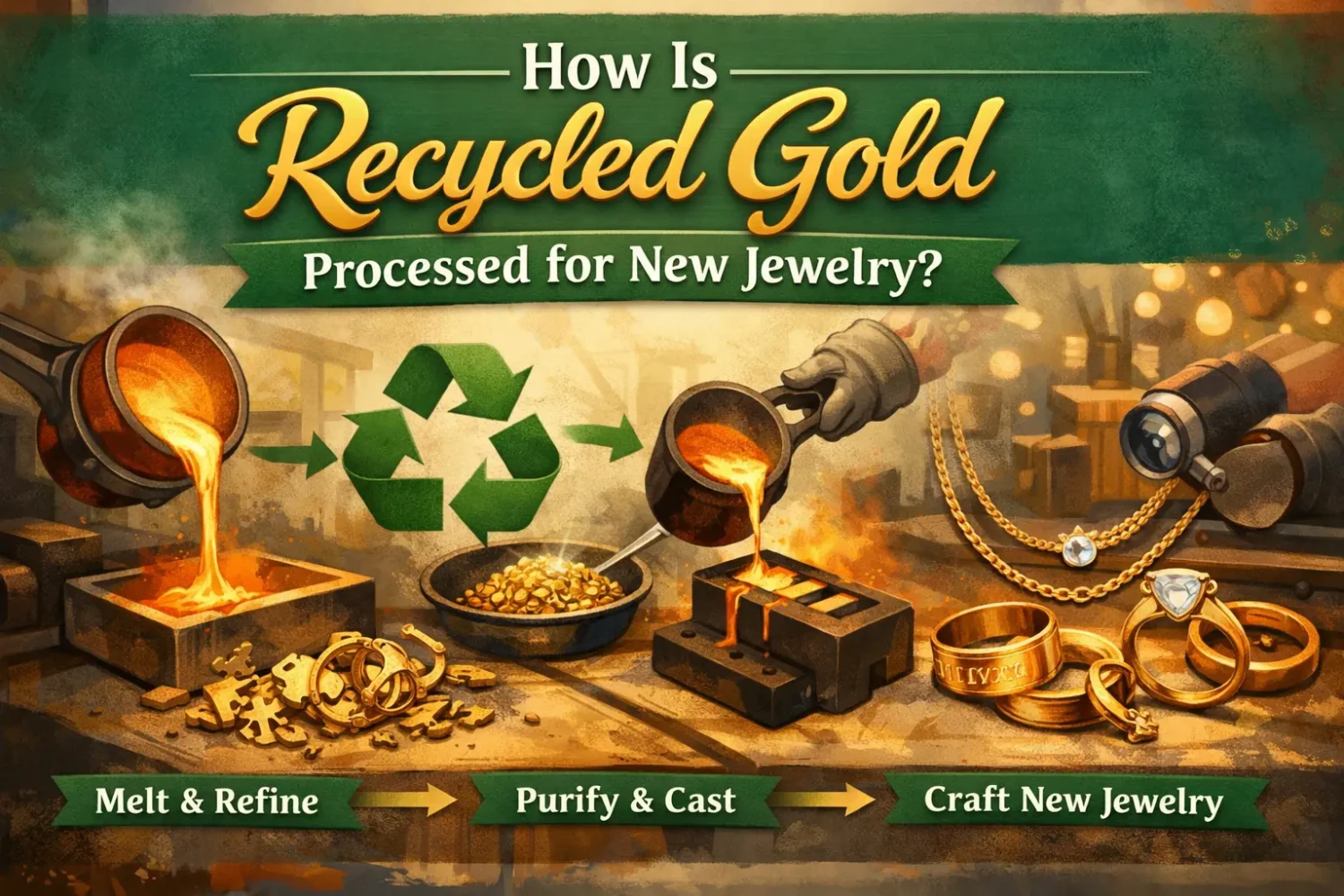
How Is Recycled Gold Processed for New Jewelry?

why do wedding rings go on left hand
Related products

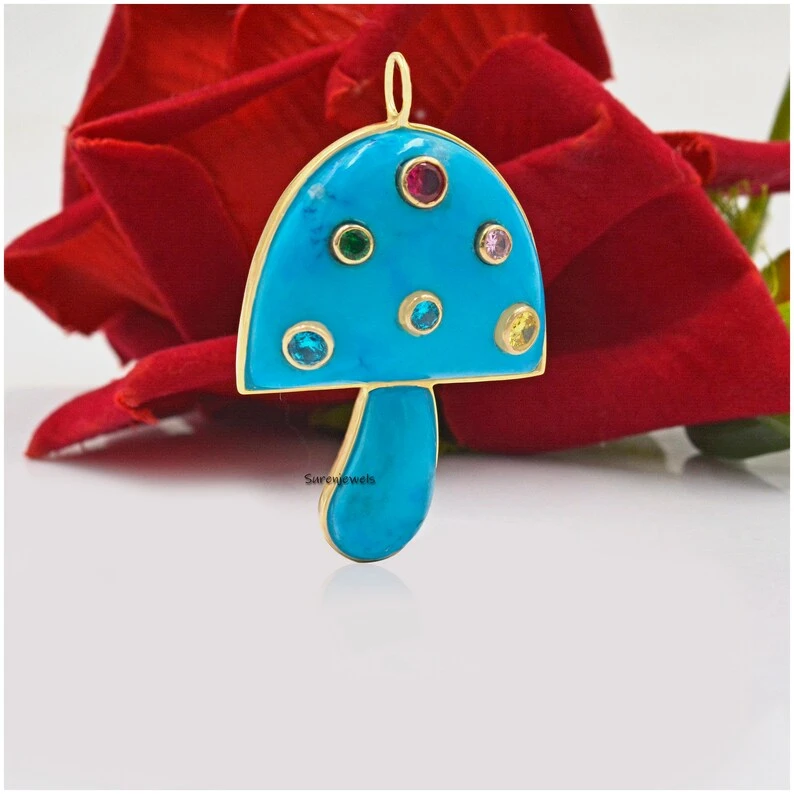


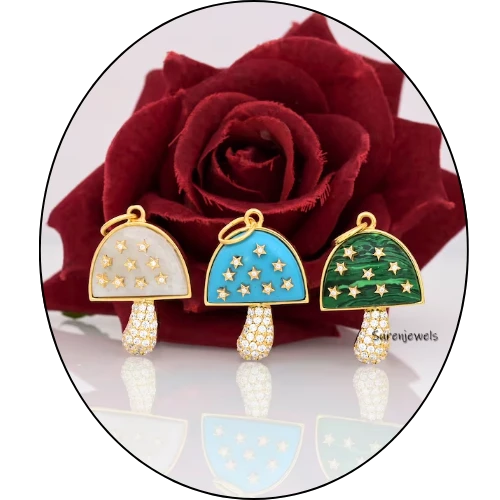
14K Yellow Gold Amethyst & Multi Gemstone Mushroom Pendant Custom Jewelry


Wholesale 14K Yellow Gold Turquoise & Multi CZ Mushroom Pendant Jewelry

14K Solid Gold Pave Gemstone Mushroom Pendant – Wholesale
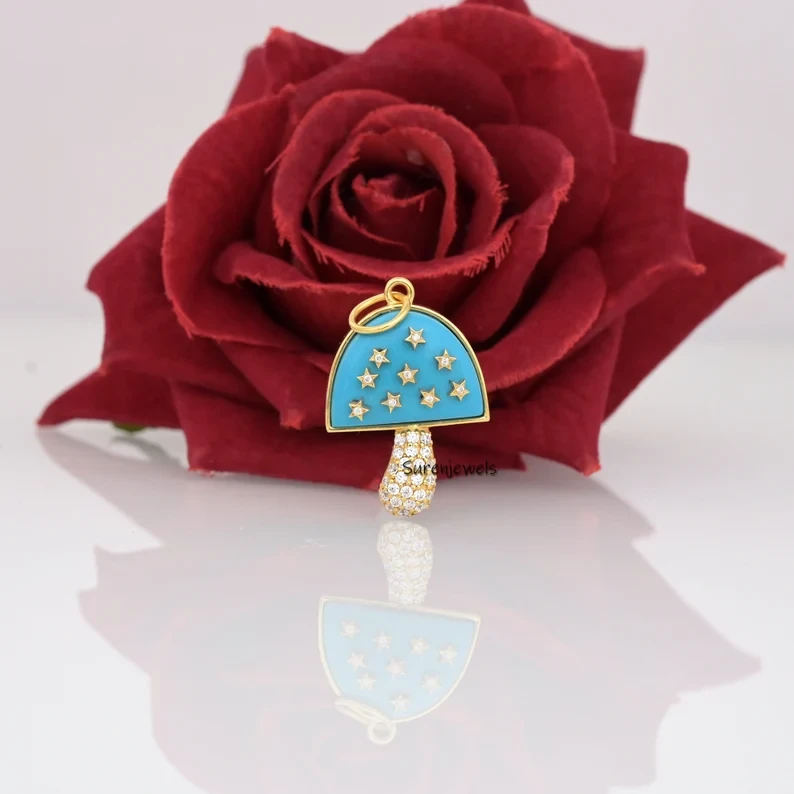
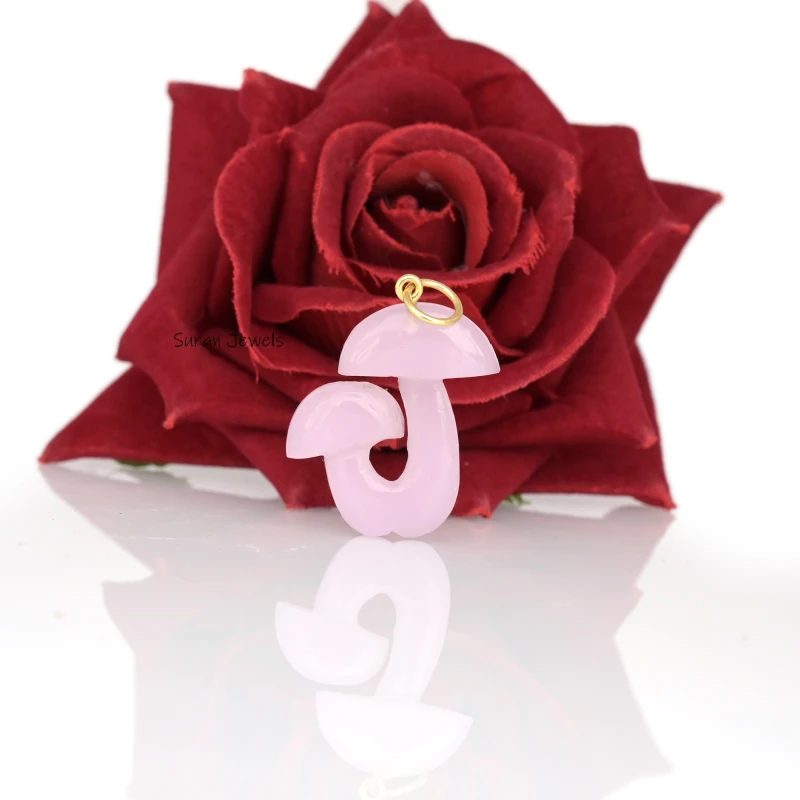
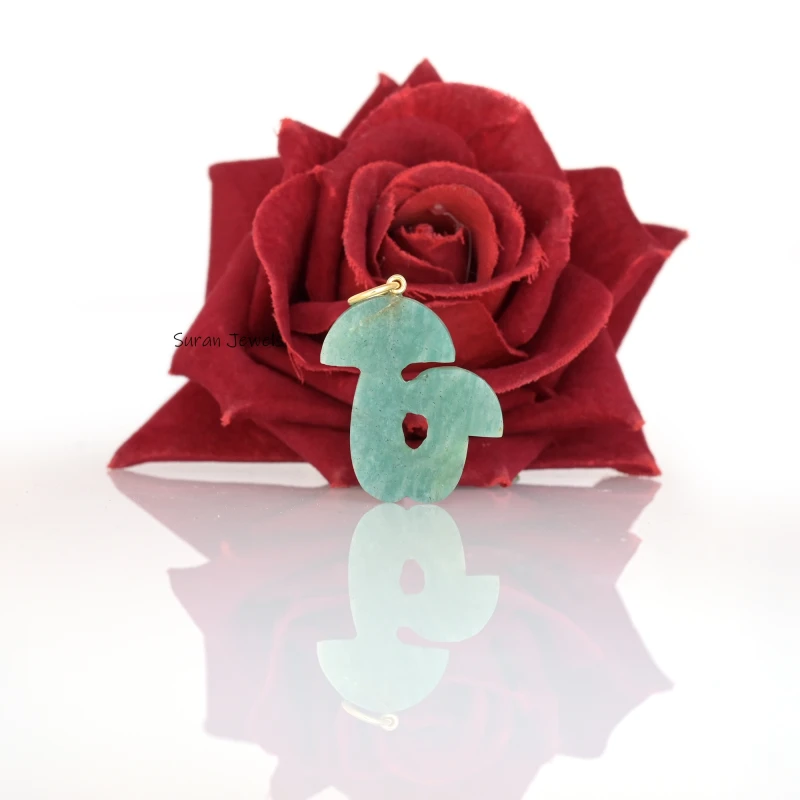

14K Yellow Gold Malachite And Moissanite Mushroom Pendant Custom Jewelry

Wholesale 14K Yellow Gold Pink Opal & Light & Pink Sapphire Mushroom Pendant Jewelry

14K Yellow Gold Malachite & Multi Baguettes Stone Mushroom Pendant USA
Contact Us For Custom Jewelry
Please get in touch with us and share your ideas if you have personalized jewelry or are searching for a private label jewelry manufacturer. In accordance with your suggestions, we will make and present genuine jewelry.
Drop Us a Line
Scan QR Code
for immediate contact



Contacts
-
Address
FF-206, Kishanpole Bazar, Jaipur, Rajasthan
-
Phone / WhatsApp
+91 9216779317
-
Email
My Account
Subscribe to our newsletter for regular updates about Offers, Coupons & more
-
Address
FF-206, Kishanpole Bazar, Jaipur, Rajasthan
-
Phone
+91 9216779317
-
Email
-
For Order Related Query
Please get in touch with the above mentioned number on whatsapp only
-
Opening Hours
Monday to Sunday | 10:00 AM to 7:00 PM